Day 3 of our Middle Eastern adventure started bright and early at 8:00 AM, boarding the bus for the long haul south toward our ultimate bucket-list destination: Petra.
Fortunately, in Jordan, even a highway transfer comes packed with thousands of years of history, otherwise this 5 hour trip would be too much!
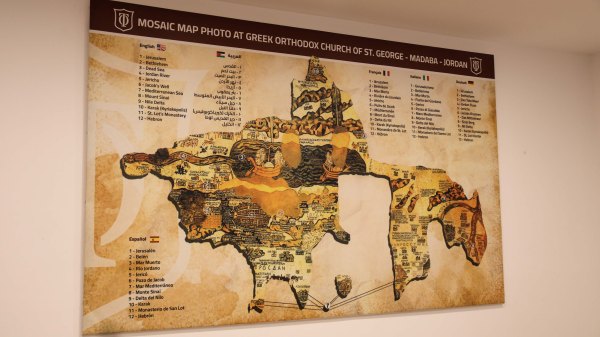
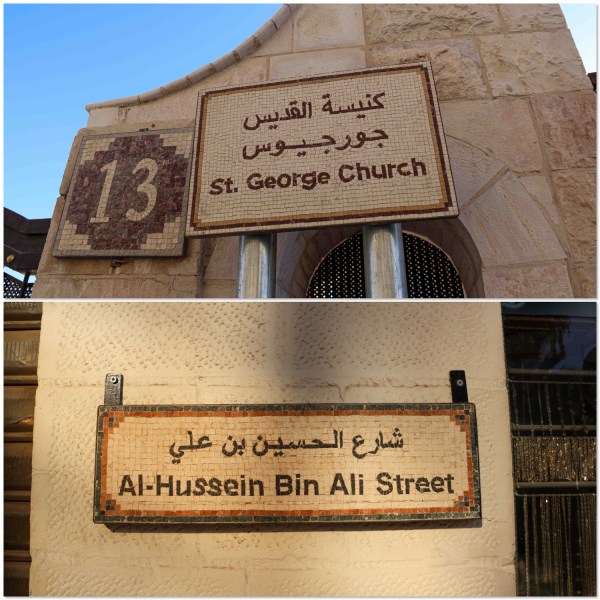
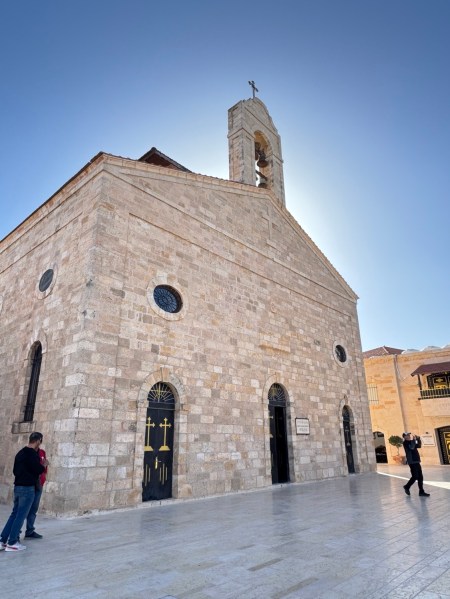
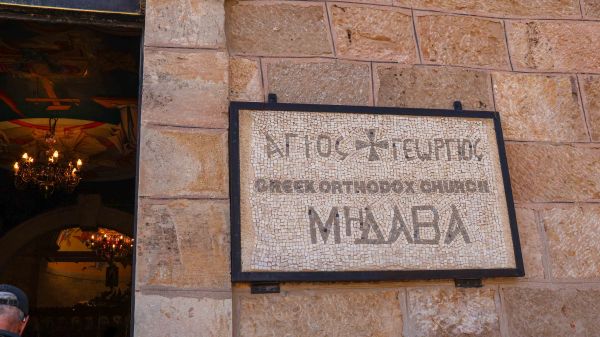
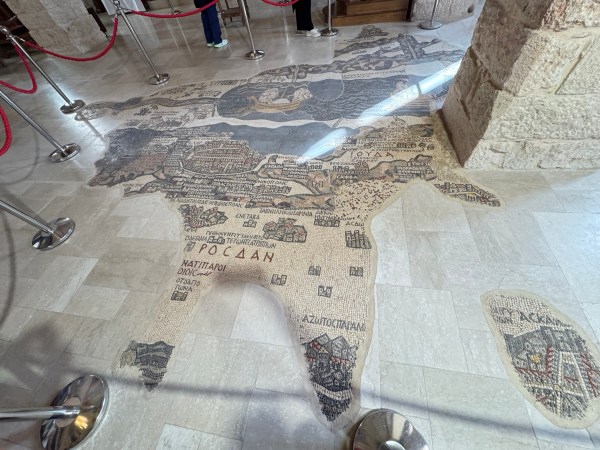
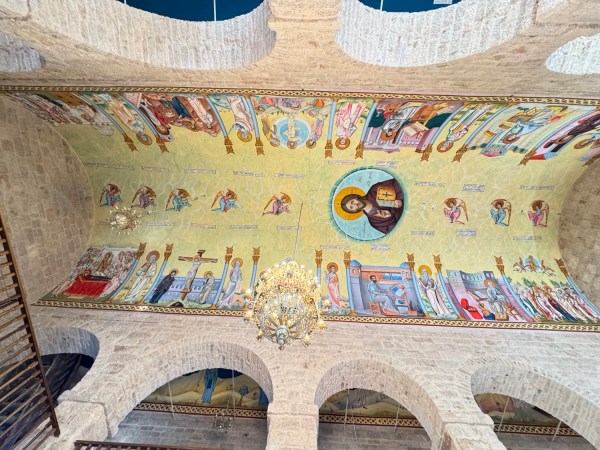
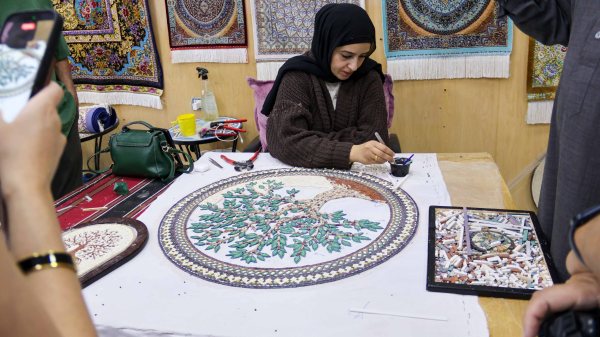
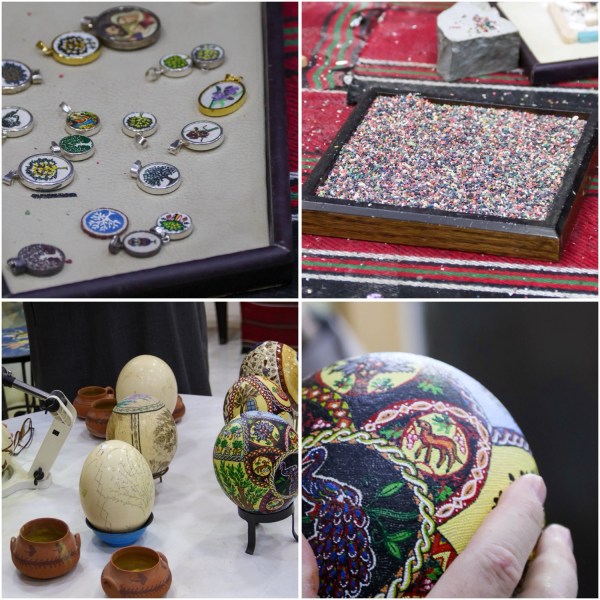
Our first stop was Madaba, famous around the world as the “City of Mosaics.” Inside the Greek Orthodox Basilica of Saint George, we admired the renowned 6th-century Madaba Map—the oldest surviving original cartographic depiction of the Holy Land. Crafted from roughly two million tiny colored stones, this Byzantine floor mosaic shows Jerusalem, the Jordan River, and the Dead Sea in remarkable detail. It’s essentially the ancient world’s version of Google Maps, except nobody had to worry about losing cell service or taking a wrong turn into a desert canyon.
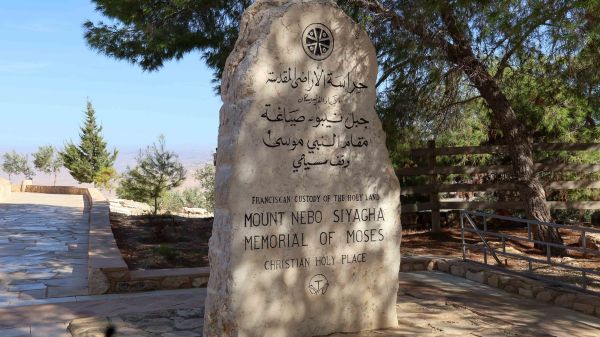
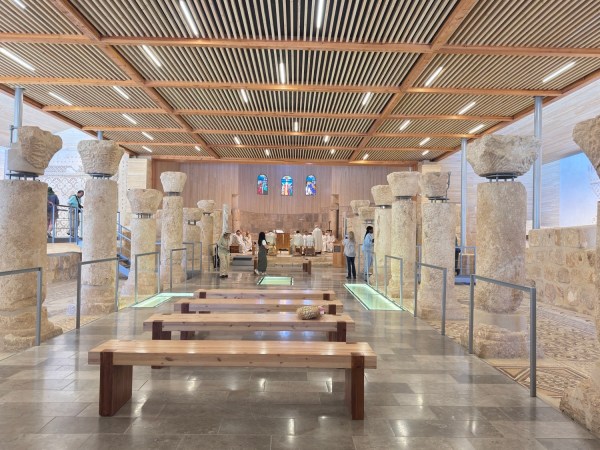
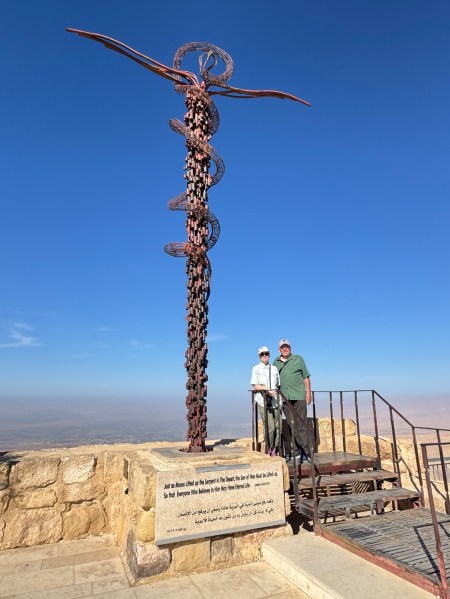
From there, we climbed up to the Sanctuary of Mount Nebo, the historic ridge where biblical tradition says Moses was granted a view of the Promised Land before he died. Standing near the Memorial Church of Moses beside the striking Brazen Serpent sculpture, we looked out across the hazy sweep of the Jordan Valley toward the Dead Sea and Jericho. Between the sweeping vistas and the 4th- and 6th-century Byzantine mosaics preserved inside the church, it was easy to see why this windswept hilltop has drawn pilgrims for centuries.
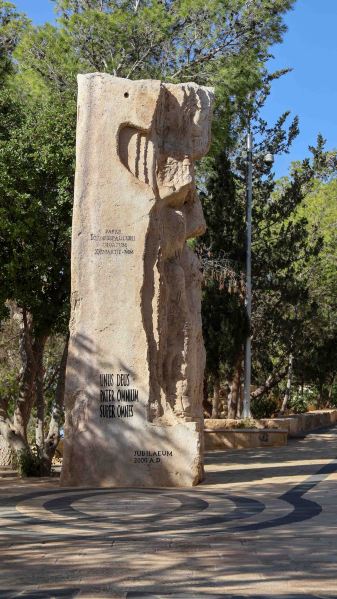
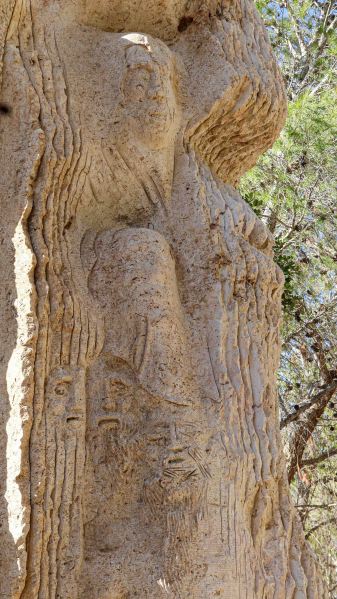
By midday, we broke up the drive with lunch at another local Jordanian restaurant. At this point, we have officially decided that Jordanian hospitality and food are a dangerous combination for anyone trying to pace themselves on a tour bus.
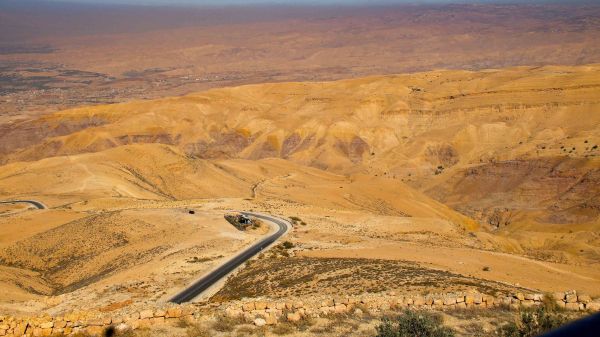
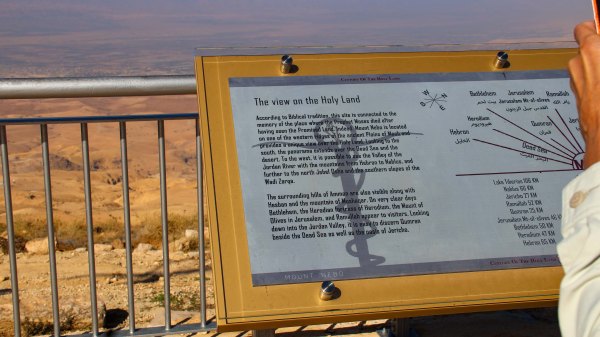
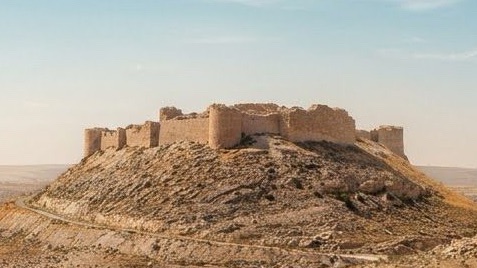
Back on the road winding south along the historic King’s Highway, we made one final scenic stop along a dramatic hillside overlook to admire Shobak Castle (historically known as Montréal). Built in 1115 AD by King Baldwin I of Jerusalem during the Crusades, this rugged stone fortress sits perched atop a conical mountain like something straight out of a medieval fantasy movie.
After snapping a few photos of its weathered battlements from across the valley, we hopped back aboard and rolled into Wadi Musa—the gateway town to Petra—checking into our hotel ready to rest up for tomorrow’s big walk through the Rose City.
May God bless you always!
Chuck and Lea Ann


Amazing to follow. Thank you. Vickie
LikeLike