Since our last post, we finally arrived in Jordan and wisely spent the rest of the day resting up—because when you are gearing up for a big Middle Eastern adventure, pacing yourself is half the battle. Refreshed and ready to go, we set our alarms early this morning to dive straight into the spiritual side of our tour, heading out to the Jordan Valley to see the historic site where Jesus was baptized. Before we even started, being here in this sacred place can make you feel so emotional and moved.
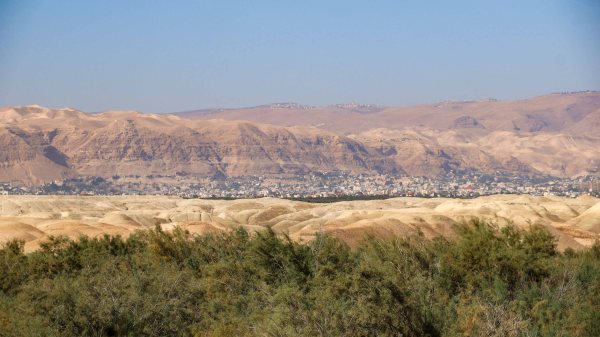
If you ever feel like your daily commute is a bit of a slog, consider the Jordan River. Not only is it one of the most historically significant waterways on the planet, it is also working overtime just to keep up with modern geography. Between the early morning wake-up call, the sun-baked terrain, and thousands of years of religious history, we quickly learned that in Jordan, you have to rethink your entire calendar, your geography, and how much water is actually flowing downstream.
Before we even got to the major landmarks, we had to adjust to the local rhythm. In Jordan, the workweek runs from Sunday to Thursday, leaving Friday and Saturday as the weekend. Since we were out exploring during their prime weekend hours, the energy in the valley felt wonderfully relaxed—almost like a biblical Sunday afternoon, just shifted a couple of days to the left.
Fortunately, the weather cooperated. While the Jordan Valley is famous for turning into a literal convection oven in the peak of summer, today topped out at a very pleasant 85°F (29°C). With the dry desert air, it felt less like a sauna and more like a warm hairdryer—completely tolerable as long as you kept a water bottle glued to your hand.
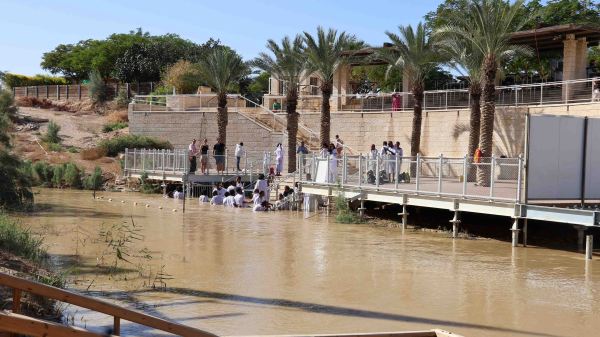
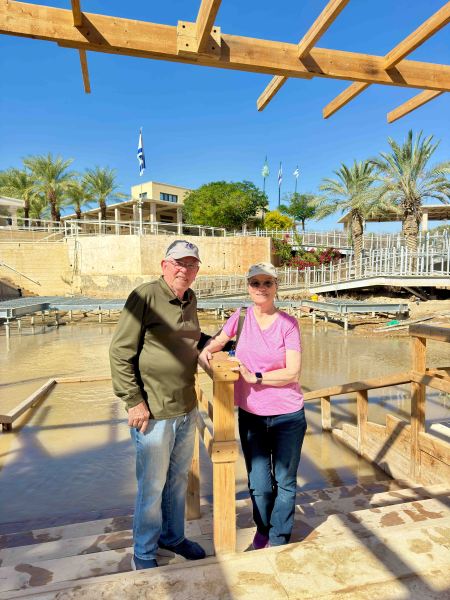
While our visit stayed right along the Jordan River at the baptism site, it’s impossible to stand here without hearing about what happens just 7 miles downstream, where the river empties into the Dead Sea. Technically, the Jordan River feeds the Dead Sea—not the other way around—though with so much water diverted upstream for agriculture and farming, both are feeling the squeeze, and the Dead Sea is dropping by roughly 1 meter every single year.
As our guide explained, once the river reaches that basin, the water transforms entirely. Sitting at roughly 6 to 10 times saltier than your average ocean, the Dead Sea is famous for making swimmers bob like corks—and for having a sharp, intensely bitter mineral taste if you make the mistake of getting a drop on your lips. Even without visiting the shoreline today, seeing how modest the Jordan River has become right here puts that dramatic downstream water loss into perspective.
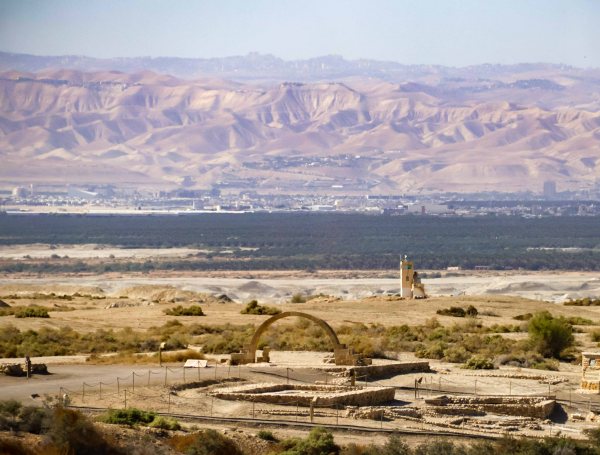
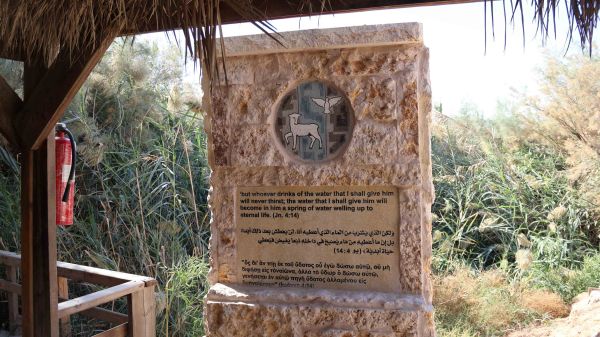
Here at Al-Maghtas (Bethany Beyond the Jordan), we explored the UNESCO World Heritage site recognized as the location where Jesus was baptized by John the Baptist—widely considered the birthplace of Christianity. The site carries immense global significance; when Pope Francis visited here in 2014, it solidified the Vatican’s acceptance of this exact spot as the authentic location of Jesus’s baptism.
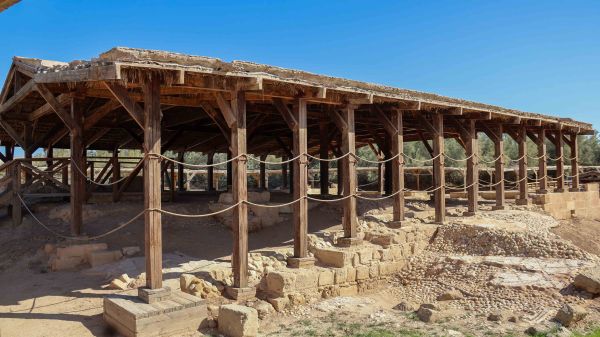
Standing here is like looking at a living timeline of the region. Over the millennia, this land has been shaped by waves of faiths and cultures—from early Jewish tribes and the rise of Christianity (which flourished here under the Byzantine Empire, leaving behind stunning 5th- and 6th-century church ruins, right around 1,500 years ago) to the later migration of Arab tribes and the spread of Islam.
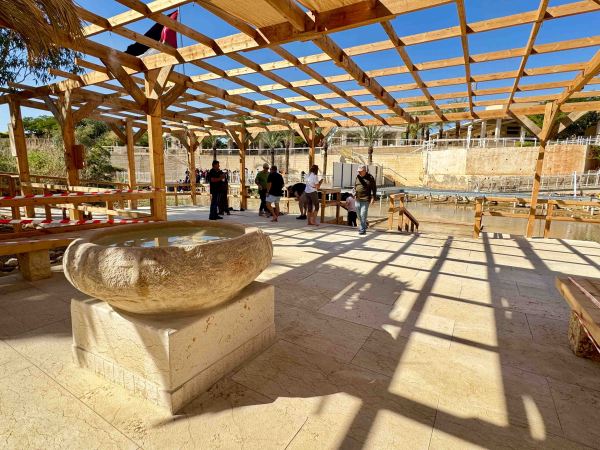
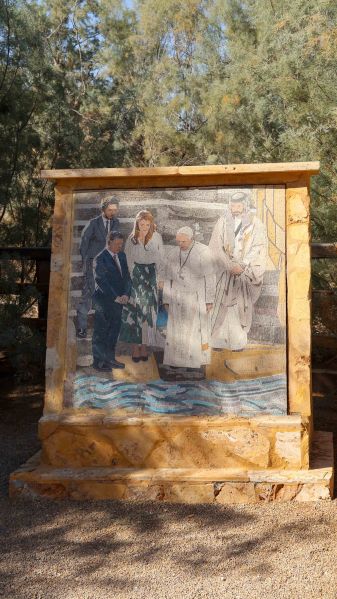
As we walked the dusty paths, a few spots really stood out:
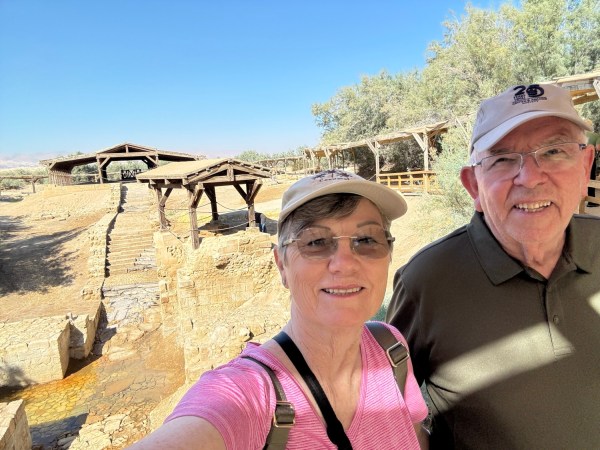
- The Moving River: Because the Jordan River has naturally shifted its course over the centuries—and shrunk due to modern water diversion—the original marble-stepped baptismal pool now sits well inland from the current riverbank. In fact, the water level at the actual historic site is so low that they have to pump water in from the modern river just a short walk away for special appearances, such as when the Pope visits.
- The Modern River & Border: Just down from the ancient basin, we reached the current Jordan River, which also serves as the international border between Jordan and Israel. It’s a surreal juxtaposition of ancient peace and modern geopolitics, with armed guards actively patrolling the area on both sides of the narrow waterway. Despite the watchful eyes, the atmosphere remained deeply moving, and our friends even took the opportunity to walk right into the same Jordan River where Jesus was baptized.
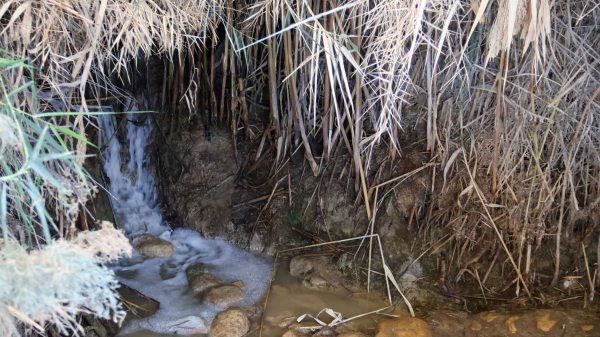
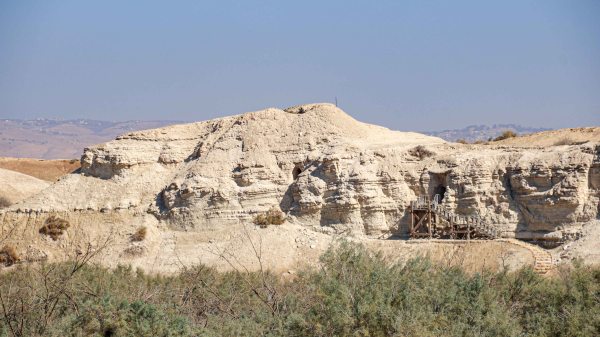
- John the Baptist’s Cave & Springs: High up in the rugged mountains, we could see from afar the cave where John the Baptist lived and hid while preaching in the wilderness. Down in the valley, we did visit John the Baptist’s Springs, where a modest, peaceful waterfall still trickles through the reeds.
- Elijah’s Hill (Tell Mar Elias): Just nearby rises Elijah’s Hill, the spot traditionally believed to be where the prophet Elijah ascended to heaven in a whirlwind of fire. (Note: While Christian tradition places Jesus’s ascension on the Mount of Olives in Jerusalem, standing on Elijah’s Hill looking out over the valley gives you a pretty good idea of why ancient travelers felt this entire landscape was a direct stairwell to the heavens).
History here isn’t just trapped behind barriers; it’s actively preparing for the future. Near the riverbanks, we spotted work underway on a modern baptismal site and visitor complex. Jordan is gearing up for a massive celebration around the year 2030, marking the 2,000-year milestone since Jesus was baptized and his ministry began in the earliest days of the Christian faith.
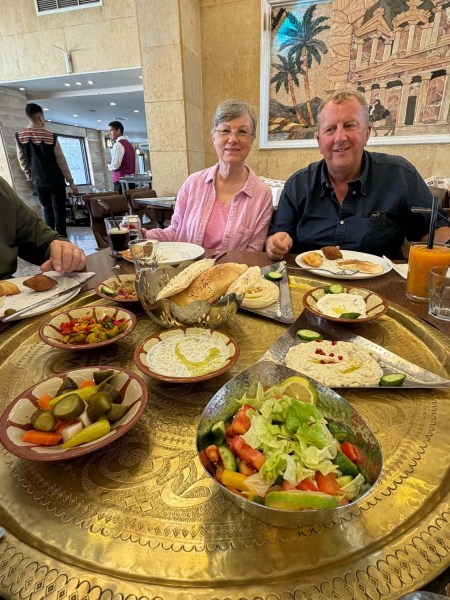
By the time we headed back out of the valley—dusty, slightly sun-pinked, and full of stories from our guide—it was hard not to be impressed. Between shifting rivers, shrinking seas, and thousands of years of overlapping human history, the Jordan Valley doesn’t just preserve the past; it makes you walk right through it.
May God bless you always!
Chuck & Lea Ann

