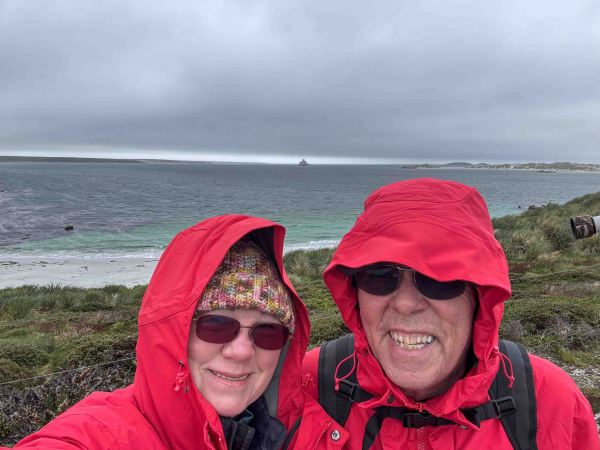
Woke up to a wind chill that could freeze your eyebrows off: 35 °F with a gale that made the ship rock like it was auditioning for a pirate movie. “Holy moly” doesn’t even cover it—we layered up like we’re preparing for the apocalypse, chugged coffee, and eyed the Zodiac dock like it was a bad blind date. But hey, at least we got breakfast first and a semi-decent night’s sleep (7:30 a.m. wake-up? Living the dream, they say!).
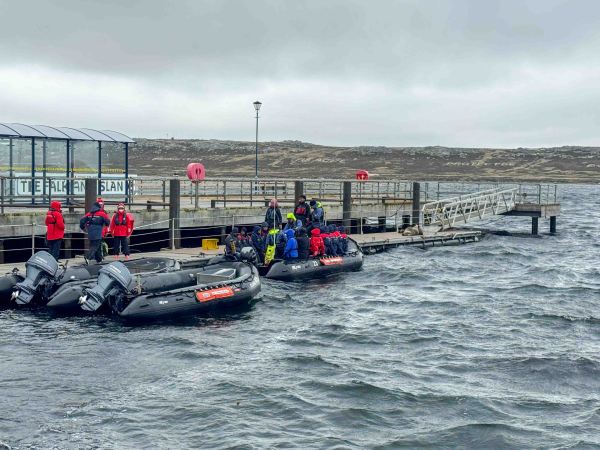
The wind was so feisty they had to reposition the ship just to make it safe for us to board—expedition life means Mother Nature calls the shots. Once we finally launched, it was 1.5 nautical miles to shore. Not far on a calm day, but this? Bouncy, splashy chaos. Waves slapping the bow right into our faces like an overzealous car wash. By the end, we looked like we’d swum there. Lesson learned: waterproof gloves next time. (Pro tip for future penguin chasers: invest in the good stuff.)
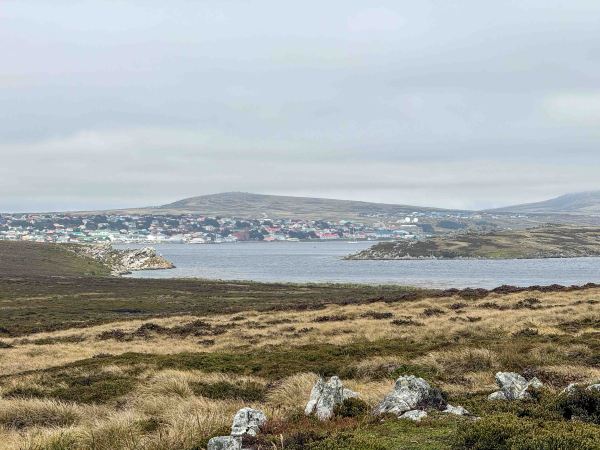
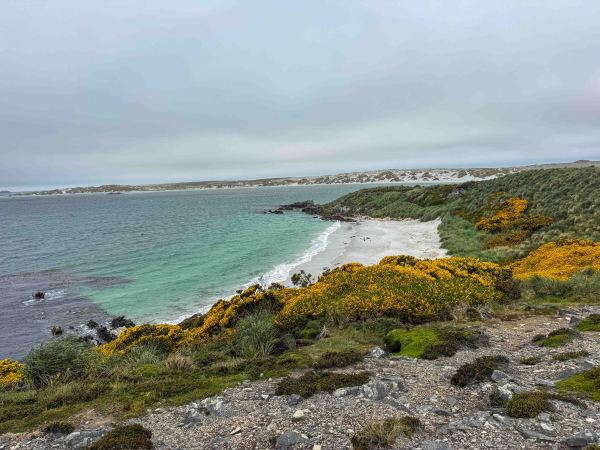
Tendered in, hopped a bus to Gypsy Cove, and stepped into one of the Falklands’ prettiest (and most historically loaded) spots. This little inlet—named in the 1800s for its “fanciful” vibe, like some explorer thought it looked like a gypsy’s dream—sits on the edge of Yorke Bay, just a stone’s throw from Stanley. But rewind to 1982: during the Falklands War, when Argentina invaded the islands on April 2 (Operation Rosario, because nothing says “surprise party” like tanks on a Tuesday), they turned this beach into a fortress. Fearing a British amphibious landing (Yorke Bay was prime real estate for it, one of only three suitable spots near the airport), Argentine forces planted an estimated 13,000 landmines here—anti-personnel and anti-tank specials, the low-metal kind that are sneaky and deadly. The war lasted 74 days, ending with a British victory and Argentine surrender on June 14, but the mines stuck around like bad houseguests. For nearly 40 years, Gypsy Cove was off-limits, a stark reminder of the conflict that claimed 255 British and 649 Argentine lives. De-mining teams (Zimbabwean experts and British firms) finally cleared the last ones in 2020, detonating them in a fireworks show that had locals cheering. Now it’s penguin paradise again—wild how nature bounces back.
Speaking of which: the cove delivered. We spotted nesting Magellanic penguins popping in and out of their burrows like nosy neighbors. These guys are burrow specialists—digging cozy tunnels up to 6 feet deep into the sandy soil to shield eggs and chicks from predators and storms (burrows even slope to drain rainwater away, smart cookies). But here’s the gross-cool part: each burrow is basically a flea convention. Thousands of those bloodsuckers swarm the penguins during nesting season for the all-you-can-eat buffet. When the parents head out to fish, the fleas hit “hibernation mode,” chilling in the dirt until the next feathered Uber Eats delivery. Nature’s tiny vampires.
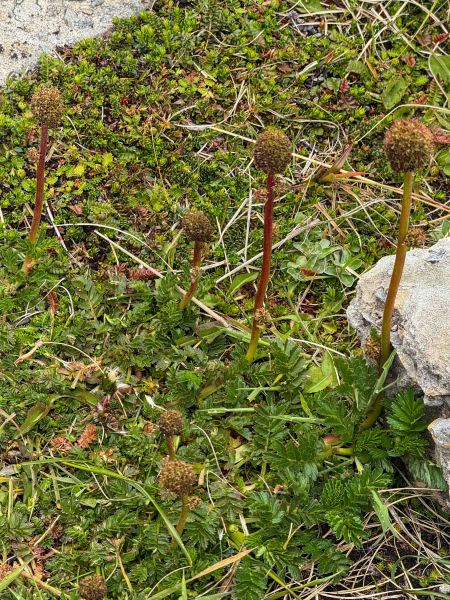
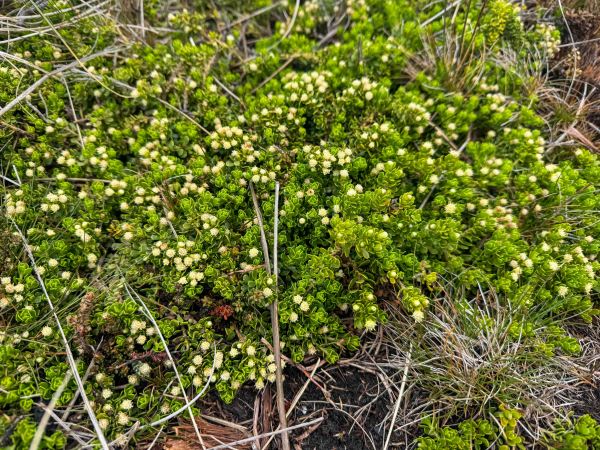
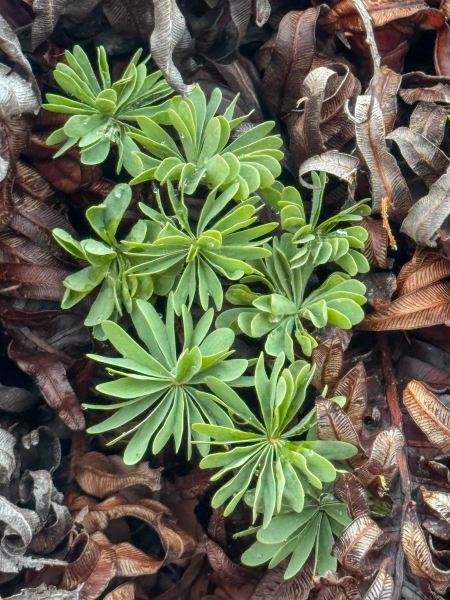
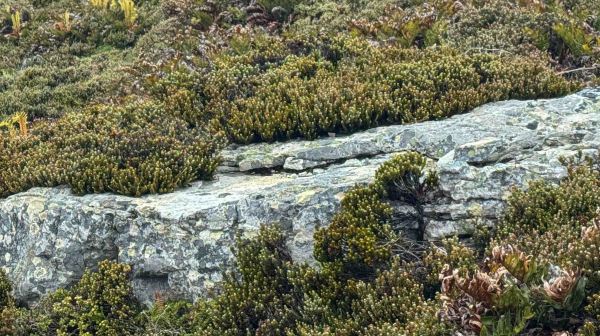
The flora was a whole sneaky highlight too. No trees here (Falklands are basically shrubby grasslands), but the ground’s a riot:
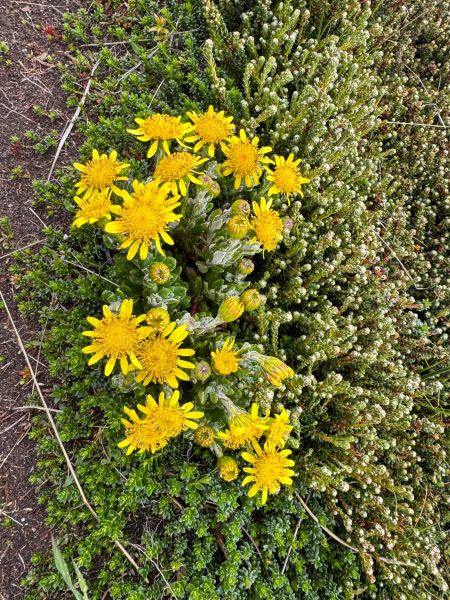
- Falkland woolly daisy – fluffy white-green cushions with sunny yellow blooms that look like they belong in a fairy garden.
- Diddle-dee (that’s “fiddle dee” to you landlubbers) – a heather-like shrub with tart red berries that taste like regret raw but turn into killer jam with 50% sugar. Locals swear by it on scones.
- Christmas bush – spiky, evergreen vibes filling in for actual trees, blooming white around the holidays like nature’s tinsel.
- And watch for the prickly burr – this velcro-wannabe (technically a native calceolaria relative) latches onto your pants like it’s auditioning for a bad breakup. One wrong step, and you’re picking seeds out of your thermals for days.
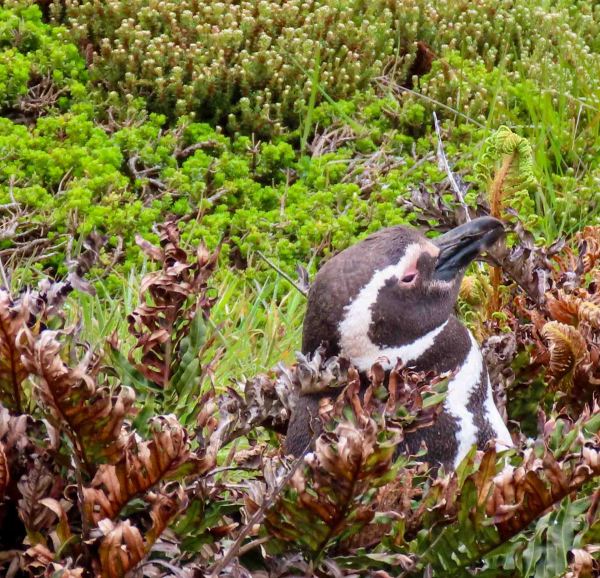
We caught a few more Magellanics waddling to the sea, plus some black-browed albatross gliding overhead like low-budget drones. On the hike back, we detoured past two massive southern sea lions flopped on the beach, snoring like grumpy uncles. The guide’s warning? “Don’t wake them—they go from zero to aggressive in 2.5 seconds.” Message received; we steered clear!
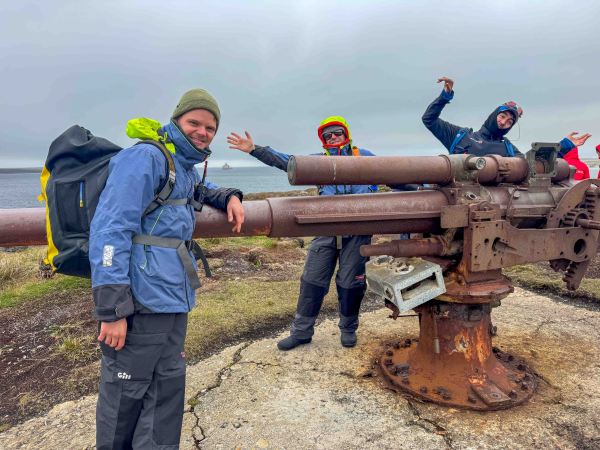
Zodiac ride home: round two of the splash-fest. Gloves? Sopping. Faces? Windburned. But worth it.
Dinner was the glow-up we needed: back to our favorite of the three restaurants because (1) the food is amazing, (2) our waiter is a dietary wizard who remembers we like our steak medium-rare and no hidden onions, and (3) steak and lobster every night? Pinch me. This ship’s spoiling us rotten.
Tomorrow and the next? Sea days—blissful rest, lectures, and maybe a spa session. But heads up: biosecurity inspection incoming. More scrubbing gear like it’s open-heart surgery to keep invasive species off South Georgia, or next destination. Penguins don’t need Florida roaches crashing their party.
Gypsy Cove, you windy, mined-up, flea-filled beauty: 10/10. Can’t wait to see what the open ocean throws next.
May God bless you always!
Chuck & Lea Ann
 WorldTravelReynolds
Wow, what an adventure!!
LikeLike