
As we arrived in Malta today, tried to remember our last visit back in 1994 but it was too long ago. So, today’s visit will be like a new experience. We didn’t realize it was more of a historical site than anything else. As we’ve traveled through the world each area has different types of historical background. Now that we are in Europe, most of our history will be centered around the Roman’s. Today it’s about Knights!
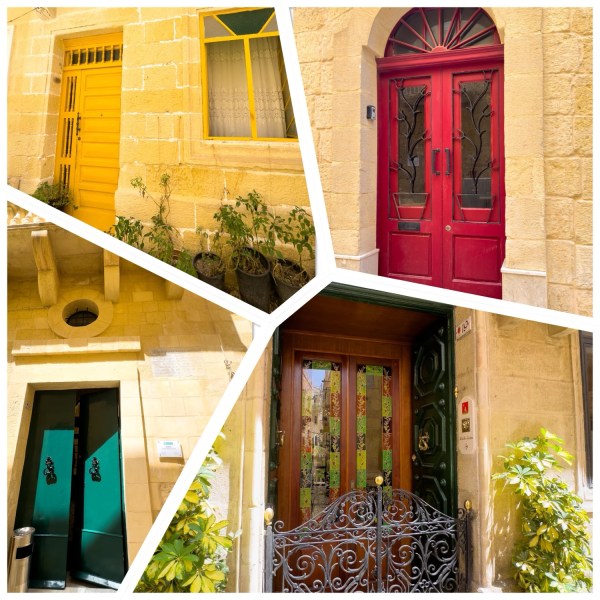
Malta may be small, but its 7,000-year history packs a punch. This strategic island nation, nestled between Europe and Africa, has been a crossroads for civilizations, from the Phoenicians and Romans to the Knights of St. John, Napoleon,and the British Empire.
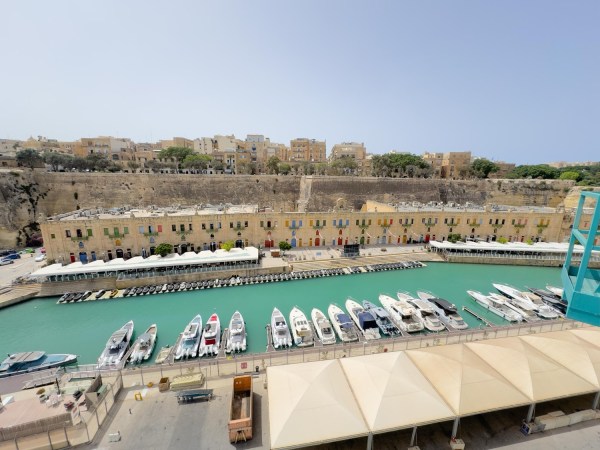
We explored Malta, the largest of the three islands, a favorite filming location for movies like “The Count of Monte Cristo” and even “Jurassic World Dominion.” Fans of “Game of Thrones” might also recognize some filming sites here!
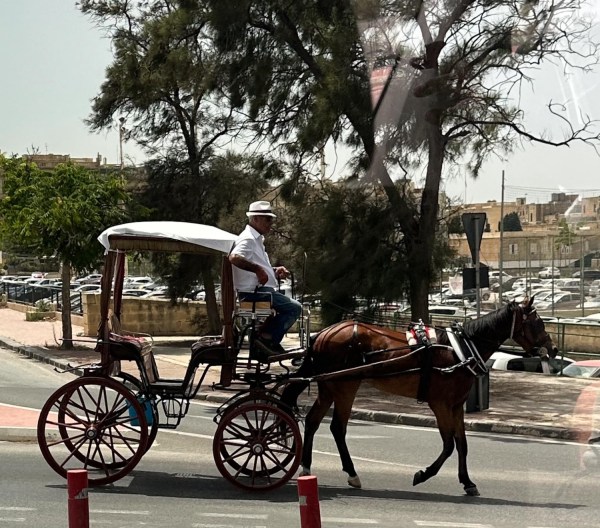
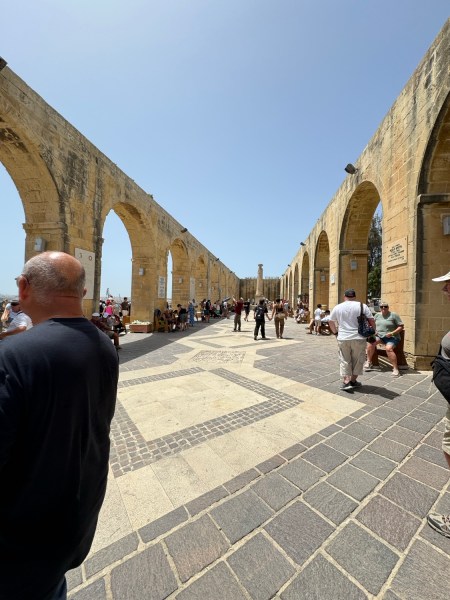
One of our highlights was Valletta, a UNESCO World Heritage Site. This fortified city was originally built in the 16th century by the Knights of St. John, and partially reconstructed in the 20th century. Valletta is named after Grandmaster Jean Parisot de la Valette, who heroically led the Knights in the Great Siege of Malta in 1565. Facing a massive Ottoman force, the Knights (around 6,000 strong) held out against an enemy force estimated at 35,000 (depending on the source).Their victory against overwhelming odds was a turning point in history. Following the siege, Valette ordered the city to be further fortified, and it proudly bears his name today.
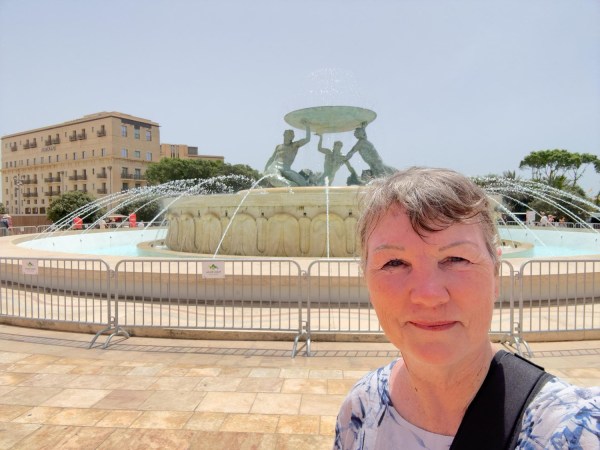
The Knights ruled Malta until 1798, when Napoleon captured the island. Just two years later, a local uprising against French rule led Malta to become a British protectorate. The island finally gained independence in 1964. Interestingly,Queen Elizabeth II even lived here for a time with Prince Philip before her father’s death required her to return to England and fulfill her royal duties.
Malta’s strategic location between North Africa and Italy made it a target during World War II. For two long years, the island endured over 3,000 bombing raids, with over 17,000 tons of bombs dropped. Despite the devastation (tens of thousands of homes and buildings were damaged or destroyed), the Maltese people never surrendered. Their courage and heroism were recognized by King George VI, who awarded the island the George Cross, which is now incorporated into the Maltese flag.

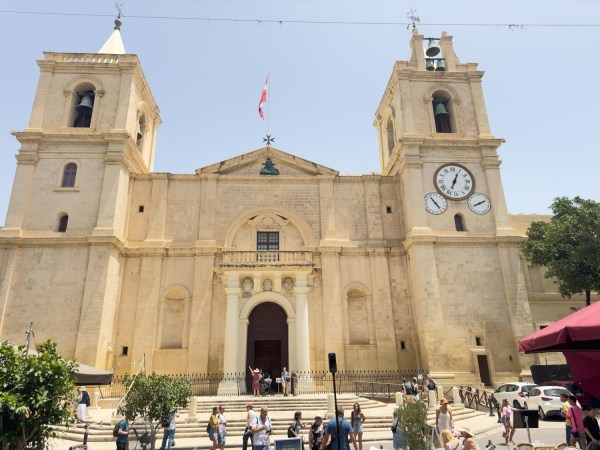
While we were there, we sadly missed out on seeing the inside of St. John’s Co-Cathedral. Built after the Great Siege (1572-1577) and named for the Knights’ patron saint, John the Baptist, this cathedral is known for its breathtaking interior. Imagine inlaid marble floors serving as knights’ tombstones, adorned with their coats of arms! The fresco wall paintings and tapestries newly restored in 2022 and glorious walls must be a sight to behold.
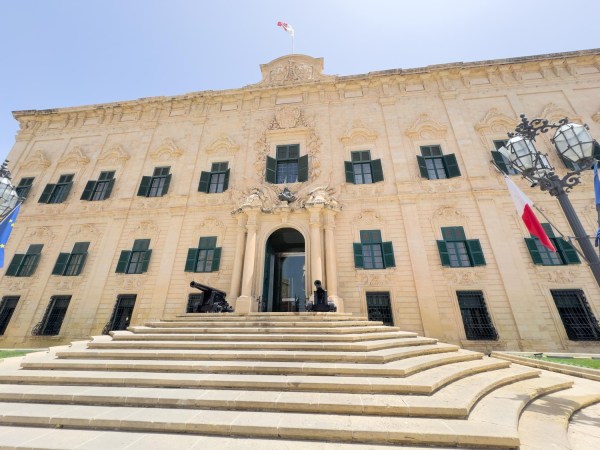
Another impressive structure is the Grand Master’s Palace, originally built for the head of the Knights of St. John. Today, it houses the offices of the President of Malta. Here’s a fun fact: tradition dictated that a deceased knight’s armor became property of the Order. As a result, the Palace supposedly holds an impressive collection of up to 5,000 suits of armor. That’s quite a few!

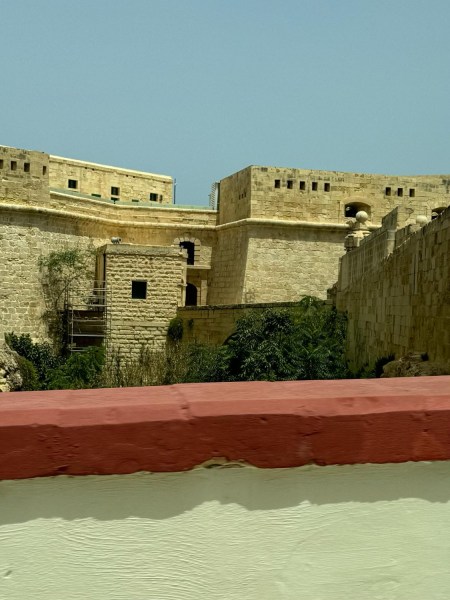
Finally, we explored Fort Saint Elmo, one of the original forts built in 1522 to protect Valletta’s harbors. This fort, the only one captured by the Turks during the Great Siege, also played a role in Malta’s defense during World War II.
Here are some additional interesting tidbits about Maltese life:

Gambling Culture: The Maltese love a good game! While casinos exist, sports betting, particularly on soccer, is a popular pastime. Many international companies have even moved to Malta to capitalize on this growing market.

Shifting Traditions: Malta is a land of evolving traditions. Divorce, once unthinkable, is now legal thanks to a vote by younger generations. Same-sex marriage and cannabis have also been legalized in recent years.

Burial Practices: Due to limited space, cremation is not a common practice in Malta. Instead, above-ground cemeteries house multiple coffins stacked on top of each other (usually 3-4). Tombstones typically only include the date of death, not the date of birth – a reminder of life’s impermanence, perhaps?

Quirky Laws: Maltese law can be a bit unconventional. Using turn signals isn’t mandatory, leading to some interesting driving situations. They say it’s nobody’s business where they are going.
And while women are making strides in all professions, you still won’t find them behind the wheel of an ambulance. Chuck was ready to fight for them!

After our 4 hour history lesson, we spent a little time shopping and had some delicious gelato and soda! The heat is becoming unbearable again. We will be in Rome in a few days and the heat index there is 97 degrees today. Thats going to be hard to manage!
Next stop Siracusa Sicily Italy!
May God bless you always!
Chuck and Lea Ann
 WorldTravelReynolds