
Croatia, a stunning country on the Adriatic coast, is just a beautiful country overall. Today we explored the charming city of Zadar.
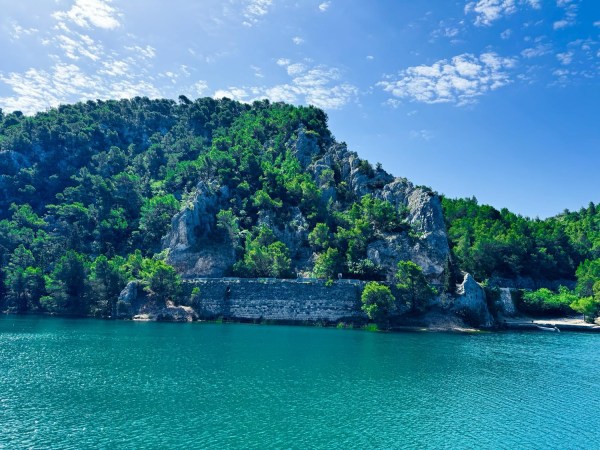
Zadar, with a population of around 75,000 is really a fascinating city. It’s been inhabited for over a 1000 years.
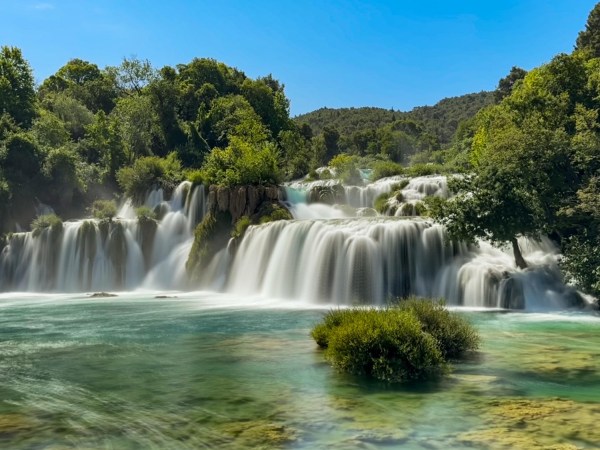
Croatia itself gained independence from Yugoslavia about 30 years ago and has a population of 3.7 million so this is a little island in comparison.

While the Croatian language sounds a bit like Russian, the Cyrillic alphabet they use can be a challenge for outsiders. Thankfully, English is a mandatory subject from kindergarten so we had no issues communicating. They are also a member of both NATO and the European Union, with a predominantly Catholic population of 95%.
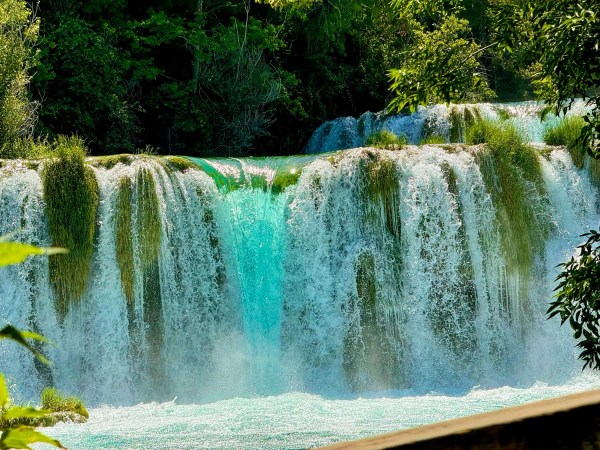
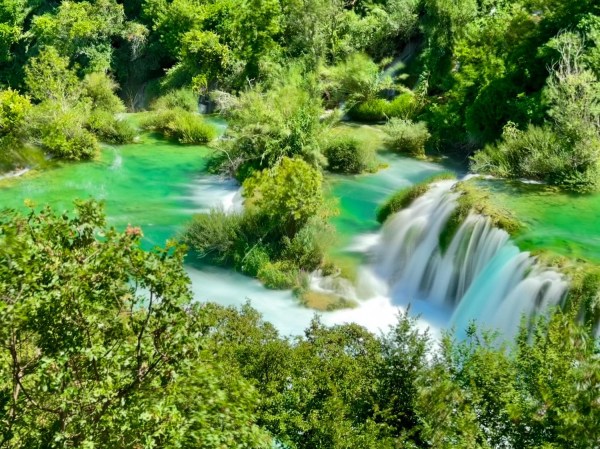
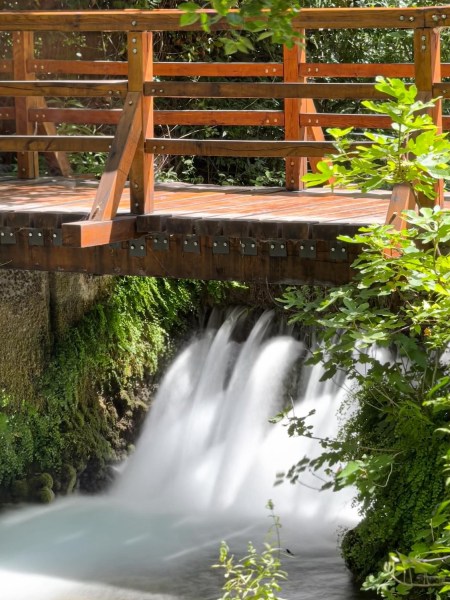
Although we couldn’t take a dip in the breathtaking waterfalls due to safety concerns, apparently, there have been too many accidental drownings over the years, the cascading waters surrounded by lush greenery were a sight to behold.
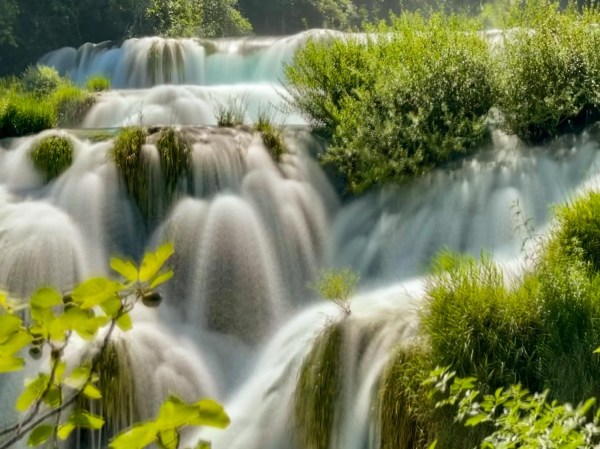
The waterfalls of Krka National Park are a natural wonder that have captivated visitors for centuries. While the exact date of their formation is unknown, geologists believe the travertine barriers that create the cascades began forming around 12,000 years ago. These natural dams are made from calcium carbonate deposits left behind by algae and moss thriving in the Krka River’s unique mix of freshwater and saltwater. Over time, the barriers grew, creating a series of waterfalls and lakes.

Krka is one of Croatia’s eight stunning national parks, showcasing the country’s natural beauty.

The human history of the Krka waterfalls is just as fascinating. Evidence suggests settlements near the waterfalls date back to prehistoric times. During the Roman Empire, the area was likely used for mills and irrigation.
Fast forward to the 14th century, and written records mention Krka for the first time. The region became strategically important during various conflicts throughout Croatian history. More recently, the mid-19th century saw the rise of industrialization, and the Krka River’s power was harnessed with the construction of hydroelectric plants near the waterfalls.

Thankfully, the focus shifted towards conservation in the 20th century. In 1985, Krka National Park was established, recognizing the ecological and cultural significance of the waterfalls and the surrounding area. Today, the park protects the beauty of the waterfalls while allowing visitors to experience this natural wonder responsibly.

Croatia’s journey from communism to a democratic republic has been fascinating. The economy was strong with their local currency, but things shifted significantly when they switched to the euro.

We also found a couple of interesting quirks: their labor laws limit workdays to one day with a maximum of 8 hours, and a whopping 70% of the population holds degrees from their free universities , employers apparently favor graduates from these institutions.
Perhaps the most surprising fact: Croatia ranks third in the world for sex trade. Not something they are proud of and are working to control. Wonder who keeps those statistic’s?
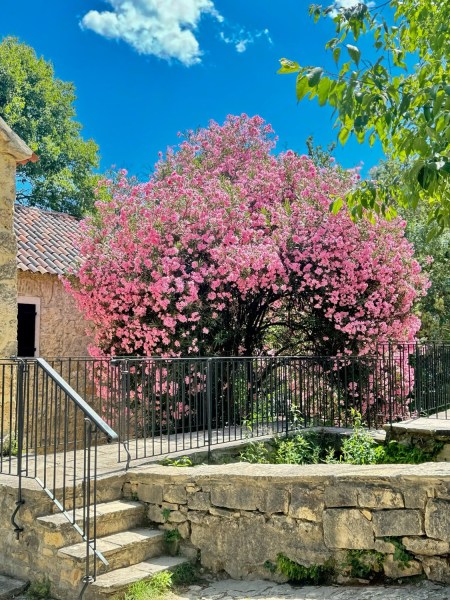
As we explored Zadar, we couldn’t help but notice the charming stone houses lining the streets. These traditional buildings add to the city’s unique character.

The Croatian landscape is also dotted with olive trees, fragrant lavender farms, and sprawling vineyards that fuel their renowned wineries.
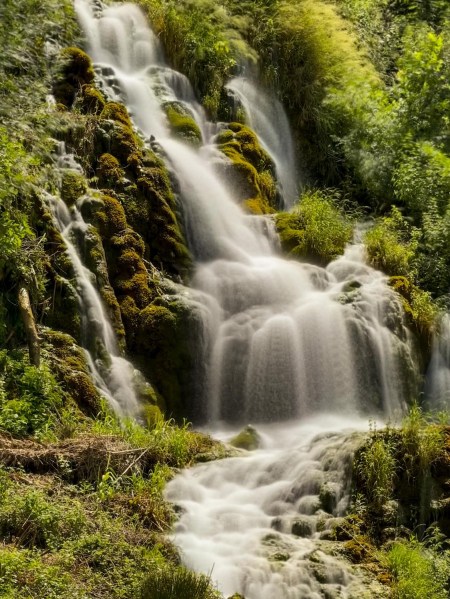
As mentioned above about the unique mix of freshwater and saltwater? This creates a refreshing experience where, in some designated areas, you can take a swim without that sticky, salty feeling on your skin after.
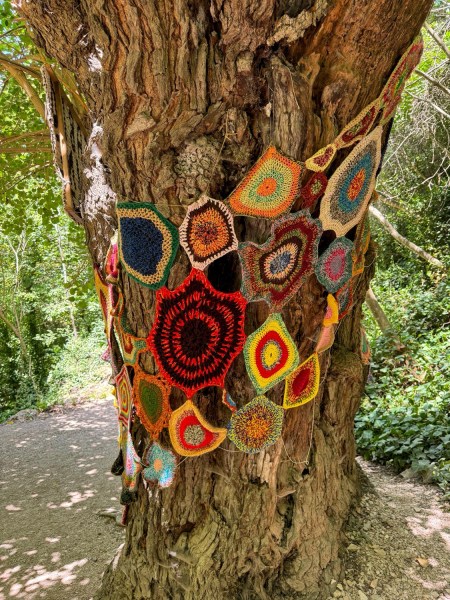
We really enjoyed this nice relaxing day wandering the Nation park waterfalls and learning about Zadar and Croatia. Looking forward to a return here.
May God Bless you always!
Chuck and Lea Ann
 WorldTravelReynolds