While I am still sorting safari pictures for more exciting adventures to share, I decided it was good to go ahead and write about Capetown so I don’t get too far behind.

We spent three unforgettable nights in this incredible city, staying at the luxurious Radisson Blu Hotel. It was the perfect base for exploring everything Cape Town has to offer and another 5 star hotel. This is still part of our Safari package put together by Tembo Wild. www.tembowild.com The owner, Paul Chenge, did such an amazing job and we are looking forward to another trip in the future if it is in Gods plan. If you no are ever in Kenya or planning a safari, this guy and his team are absolutely amazing.
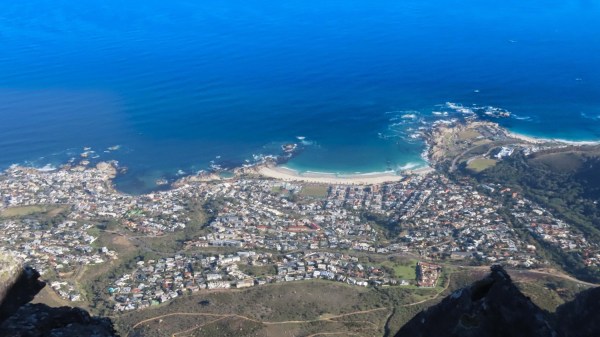
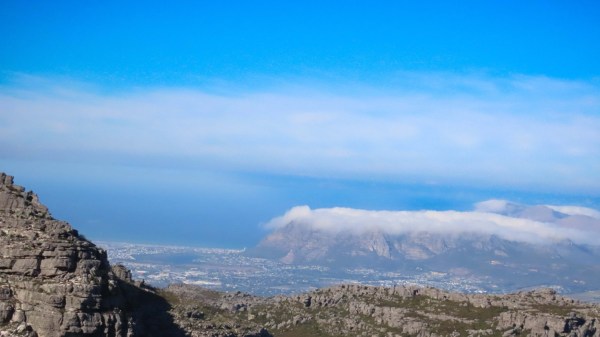
One can’t visit Cape Town without being awestruck by Table Mountain, a flat-topped behemoth that dominates the city skyline. We opted for the scenic route up – the aerial cableway. We have pretty much given up on treking and/or hiking any more. As we ascended, the city unfolded beneath beneath us in a revolving cable car. We did a full 360 degrees from bottom to top as the floor moved revealing its fascinating city at the end of the most southern part of Africa.We have been to Key West, Florida, Antartica, and now Capetown, South Africa. All southern tips in their continents.
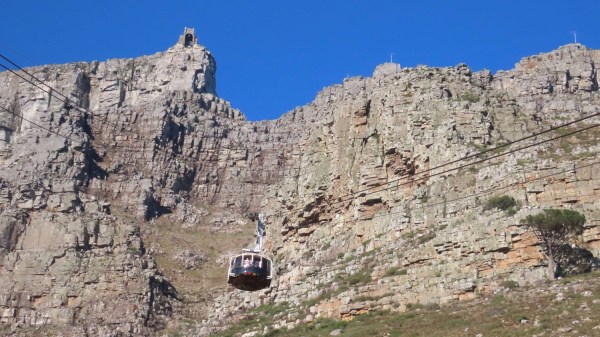
Table Mountain’s story stretches back millions of years. Geologists estimate its formation began around 250 million years ago, when massive sandstone formations were deposited by ancient rivers and glaciers. Over time, these layers were compacted and uplifted, eventually weathering into the iconic tabletop shape we see today.

Long before European settlers arrived, the indigenous Khoi and San people revered Table Mountain as Huri Oaxa, meaning “ocean-emerging mountain.” They believed it to be the dwelling place of their god, a testament to the mountain’s spiritual significance for millions of years.

The first European to set eyes on Table Mountain was the Portuguese explorer António de Saldanha in 1503. He was so impressed by its unique shape that he christened it Taboa do Cabo (Table of the Cape). Saldanha even became the first recorded person to ascend the mountain, leaving his mark with a cross carving still visible on Lion’s Head, a smaller peak flanking Table Mountain.
Centuries later, Dutch colonists arrived and established Cape Town. They used the mountain’s resources – water, timber, and stone – to build the city. The iconic cableway I rode up wasn’t built until 1929, but plans for a mountain railway existed as far back as the 1800s!

Table Mountain is more than just a geological wonder; it’s a symbol of resilience and a UNESCO World Heritage Site. Its unique ecosystem, teeming with diverse plant and animal life, is a treasure South Africa works hard to protect.
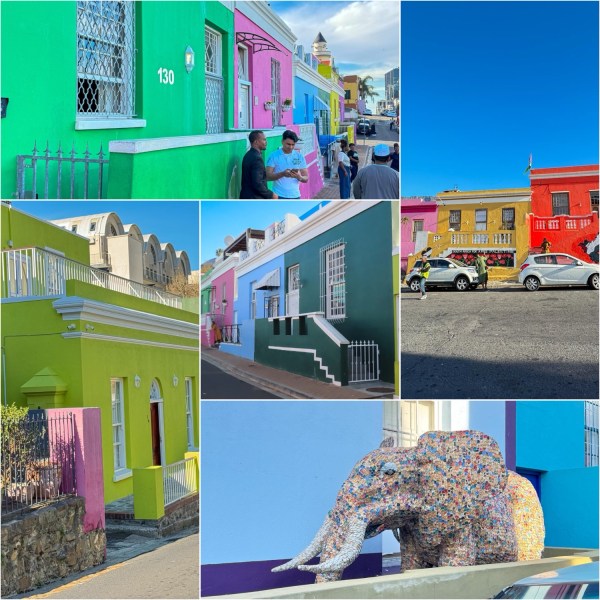
We spent a little time at the top, amazed at how warm it was up high, (3563 ft) in comparison to wearing our jackets on the ground level. Our next stop was Bo-Kaap, also known as Schotschekloof. This historic neighborhood is a rainbow of pastel colors. Rows of brightly painted houses line the narrow streets, creating an atmosphere that’s both charming and uplifting. For me, it’s a photographic opportunity!
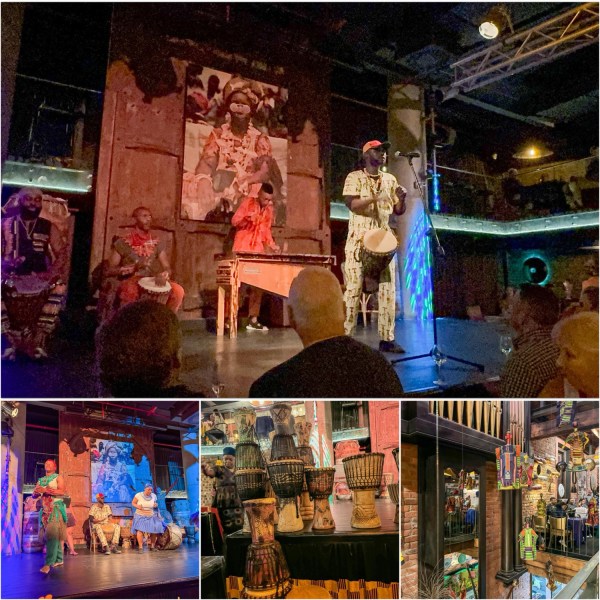
For dinner, we indulged in a truly unique experience at the Gold Restaurant. The evening combined a delicious meal with a captivating South African dance show. The energy was contagious, learning to play the African drums, watching the energetic dancing, and I even got to participate in some face painting, feeling a touch closer to the local culture. The food was from more northern Africa so we had some food we have had before. Moroccon. Its a little spicy but not a bad meal.

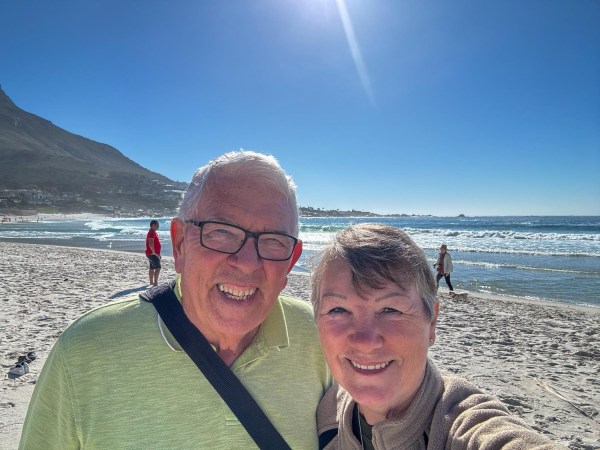
The next morning, we took a long walk along its pristine beaches. They were beautiful but way too cold. The guide told us the water from the Benguela Current, which flows from the southern Atlantic Ocean, brings cold water that cools the coastal waters of Cape Town. On average its 57–61 degrees. Doesnt seem to cold but I challenge you to stick you toe in it! Not me! We did walk around in the sand, not caring about how much will be in our shoes when we return. The soft sand and the sound of the waves crashing against the shore were incredibly calming. We enjoyed our time here.

Cape Town isn’t just about cityscapes and beaches, though. We embarked on a boat trip to Seal Island, a rocky outcrop teeming with playful seals. The highlight, however, was encountering some large ostriches crossing in front of the cars. These giant birds are native to Africa. We saw only a few on our safaries.
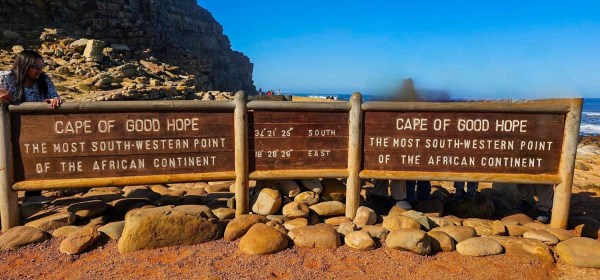
Our last morning in Capetown we watched the sunrise and found our ship arriving into port. Leaving Cape Town was bittersweet as it will signify the end of our Eastern Africa journey. However, Western Africa is coming up in few days. It will be good to get home on our ship. I’ve definitly missed my bed and comfy pillow.

May God bless you always!
Chuck & Lea Ann
 WorldTravelReynolds