
We woke up this morning in the beautiful city of Shimzu, better known as Mt. Fuji, Japan.
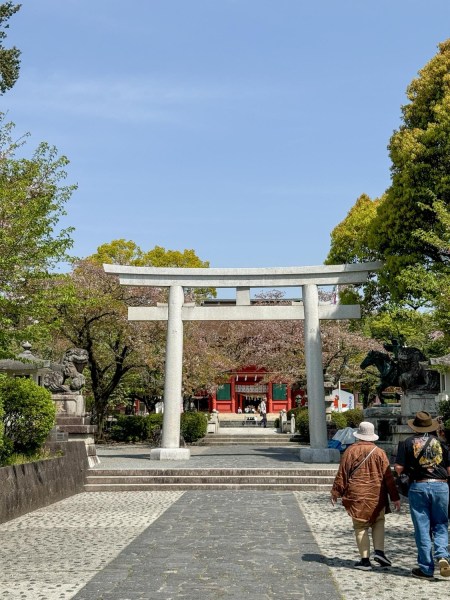

April is the 2nd worse month to see Mt Fuji, with a 67% chance of it not being visible due to bad weather.
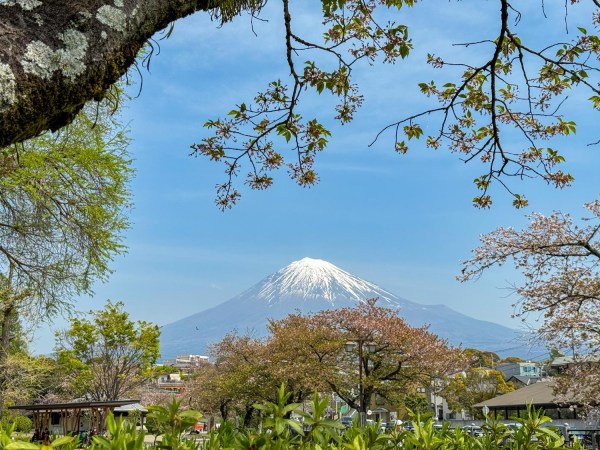
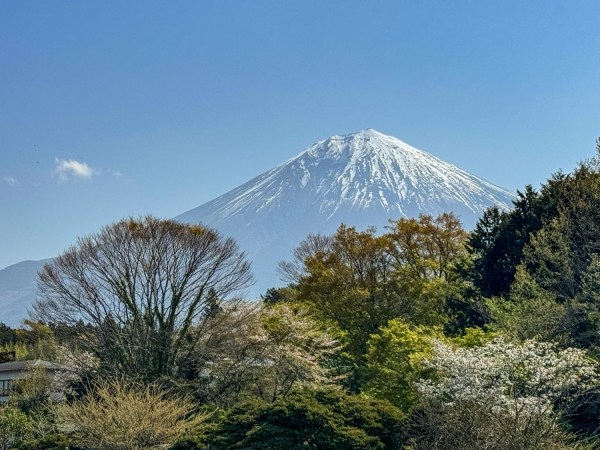
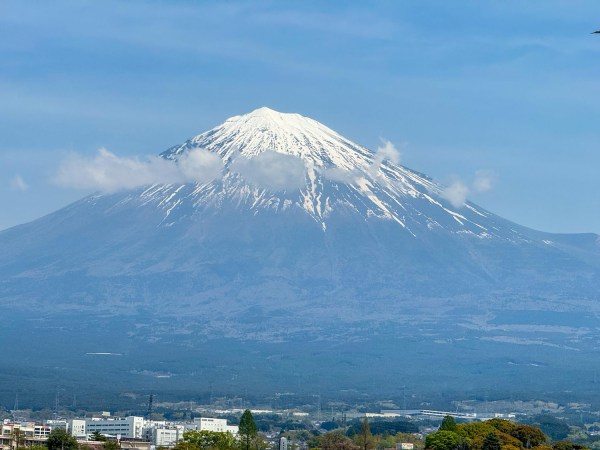
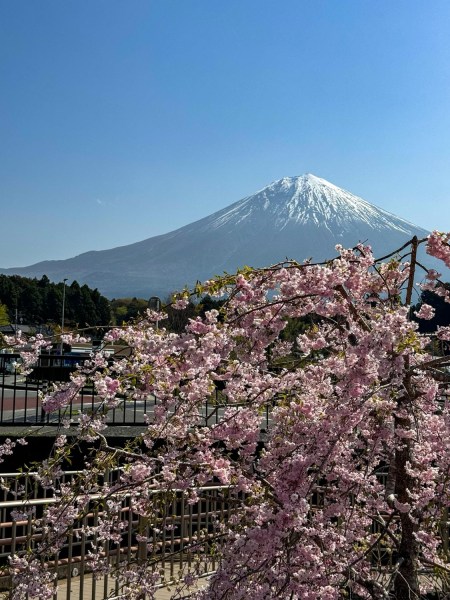
Fortunately we were blessed with clear blue skies and stunning views of the snow capped conical volcano. These views followed us everywhere and we were able to take some lovely photos.
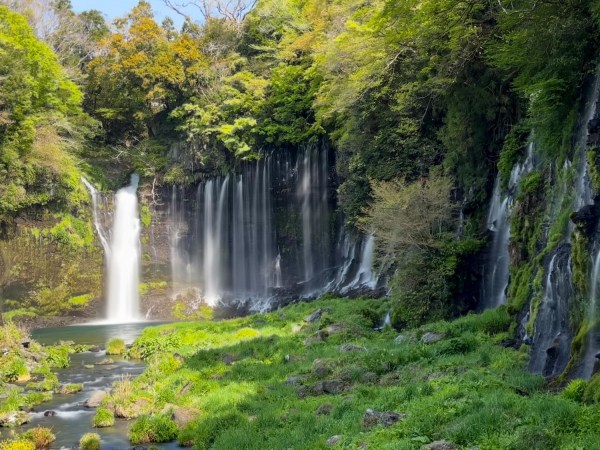
Our journey began at the graceful Shiraito Falls. Imagine the beauty of this waterfall, cascading down a large cliff. The sun was shining through on one part while the shaded areas gave us a good view of the water falling down the mountain. These breathtaking falls are fed by the snowmelt from the grand Mount Fuji, adding another layer of awe to the scene. Towering over 3,776 meters, Mount Fuji is not just Japan’s highest peak, but also an active volcano with a rich history. Its slopes, now adorned with snow, were once a fiery cauldron.
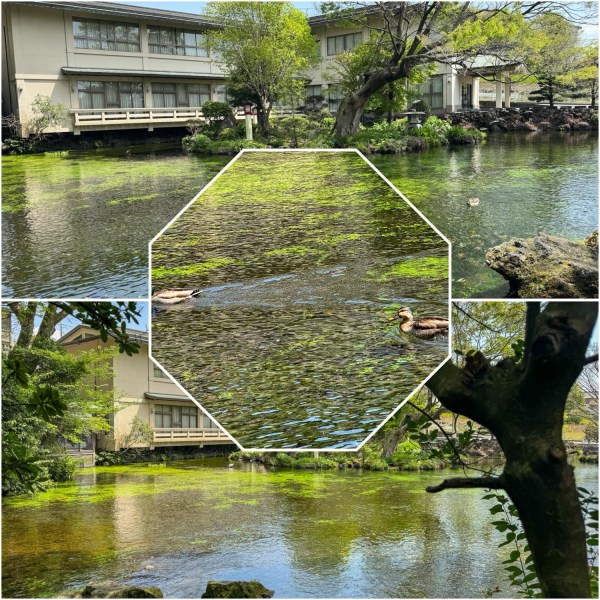
Geological evidence suggests volcanic activity in the area began 2.6 million years ago! The mountain we see today is actually a composite of three volcanoes: an ancient volcano long since eroded, Ko-Fuji (Old Fuji) which formed about 100,000 years ago, and the most recent, Shin-Fuji (New Fuji) responsible for the beautiful cone shape we admire today. The last eruption occurred in 1707, a testament to the mountain’s volatile past.
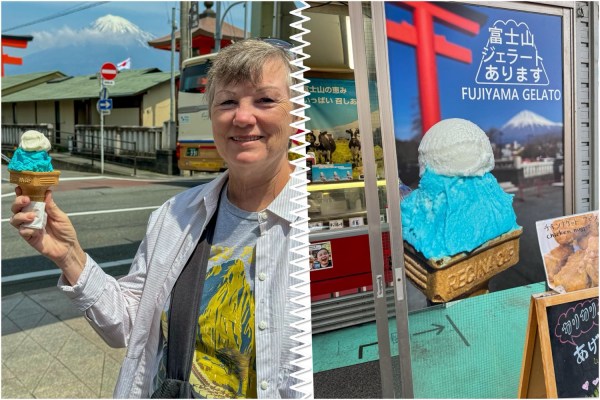
A photo with the volcano in the background.
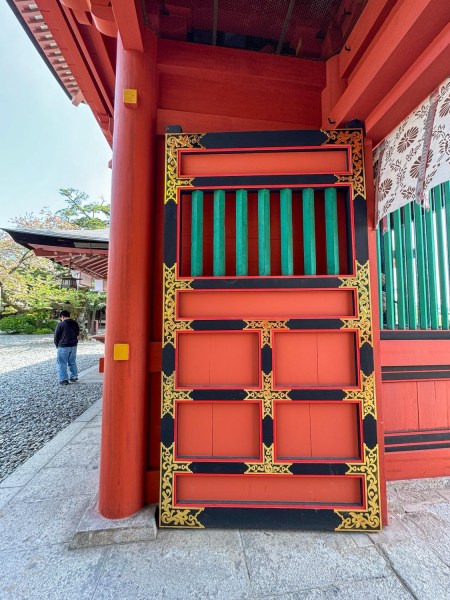
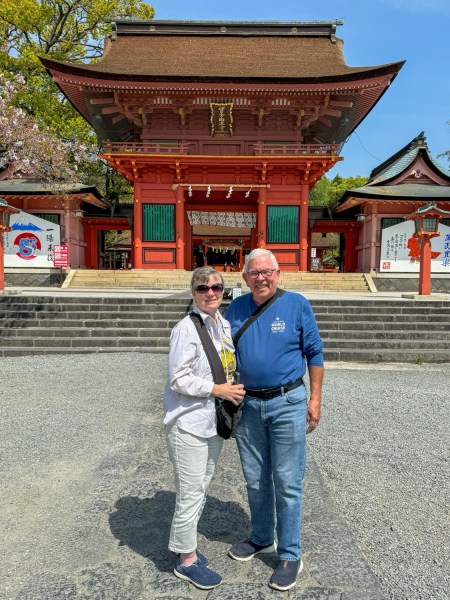
Next, we ventured to another shrine, Fujisan Hongu Sengen Shrine. We stepped through the traditional torii gate and entered a Buddhist’s world of ornate shrine buildings. We were told this particular shrine became the guardian of Mount Fuji. Legends offer a glimpse into this deep connection.
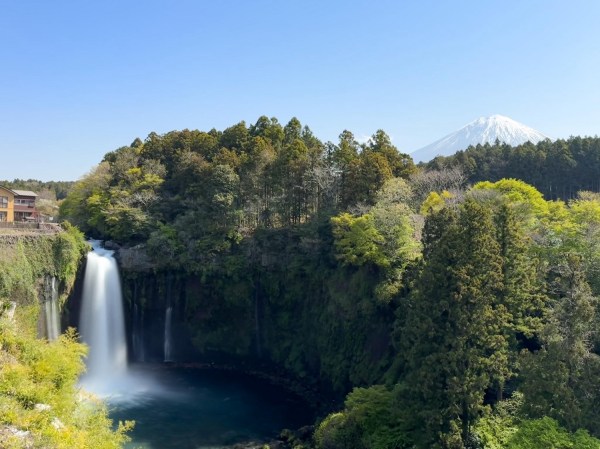
According to Shinto beliefs, Mount Fuji is a sacred dwelling place for a kami, a powerful spirit. Early eruptions were likely seen as expressions of the kami’s displeasure.

The story goes that in the 7th century, a particularly destructive eruption devastated the surrounding lands. To appease the angry kami, Emperor Kōrei ordered the construction of a shrine at the foot of the mountain. This shrine, originally called Asama-no-okami after the fire deity, is believed to be the very foundation of the present-day Fujisan Hongu Sengen Shrine.
Over time, the shrine’s role evolved. It wasn’t just about calming the wrathful kami, but also about seeking its protection. Mount Fuji continued to erupt periodically, and the people turned to the shrine for safety and blessings. The enshrinement of Konohana-sakuya-hime, the goddess of volcanoes and Mount Fuji itself, further solidified the shrine’s role as guardian.

Today, the Fujisan Hongu Sengen Shrine remains a vital center of pilgrimage for those seeking the mountain’s blessings and protection.

Just before leaving the shrine, I spotted a booth selling traditional fortune tellers similar to our shaker in Tokyo. I bought one and realizing this one wasn’t in English, we had our guide interpret for us. It was a great fortune! So, we kept this one too!
Next we headed to the Mt. Fuji World Heritage Center. Here, interactive exhibits and informational displays brought the majesty of Mount Fuji to life. We learned about the mountain’s geological history, its cultural significance, and, most importantly, the delicate ecosystem it supports. This diverse environment thrives on the meshing of volcanic activity, altitude, and climate.
The lower slopes of Mount Fuji are blanketed in lush forests, filled with life. Deer, monkeys, and foxes roam freely, although we didn’t get close enough to see them. We would need another 2-3 hours. The forest acts as natural filters, purifying the air and water that flow down the mountain.
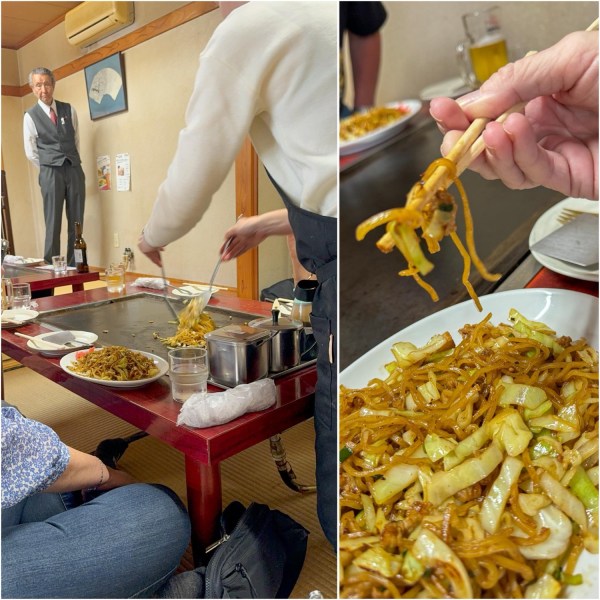
Our next stop was lunch. Time for more cultural food! We really got into the culture in this one, although I don’t think Chuck will forgive us for making him sit on the floor. Today lunch was at Fuinomiya Yakisoba, an authentic Japanese experience. We sat on the tatami mats, waiting as our plates of sizzling noodles were being stir-fried right in front of us. The aroma of savory sauce and perfectly cooked vegetables was amazing! I decided to try the chop sticks on noodles this time around while Chuck stuck to his American chopstick, the fork. The first bite was delicious. This local specialty did not disappoint! Even Chuck forgot about sitting on the floor while we ate and enjoyed our great company and amazing meal.
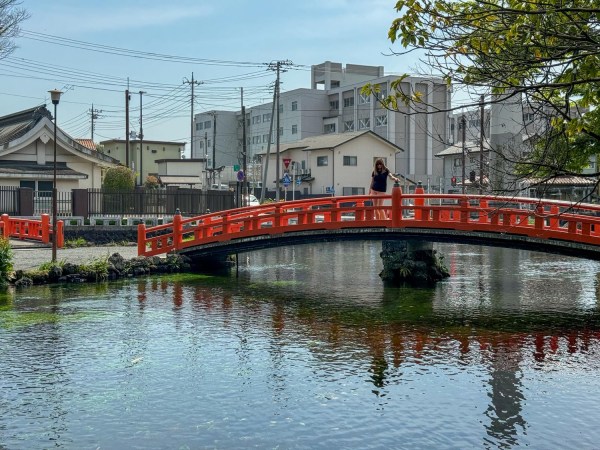
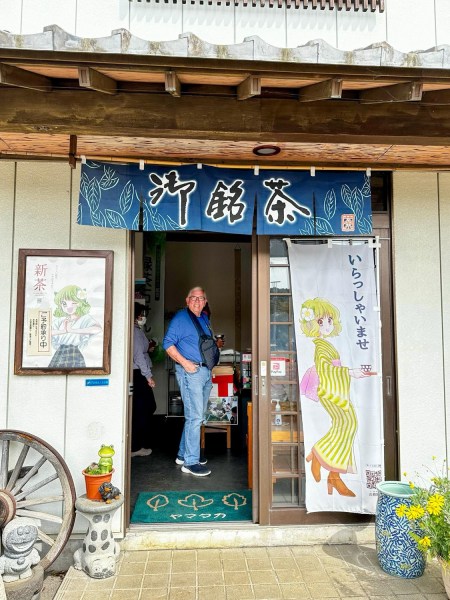
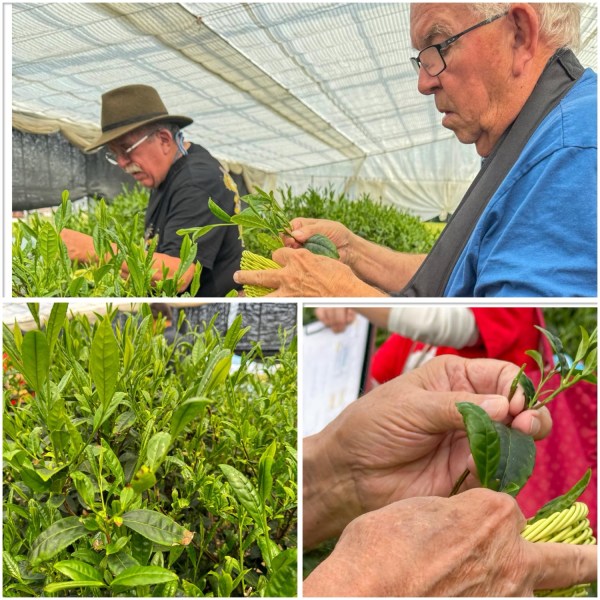
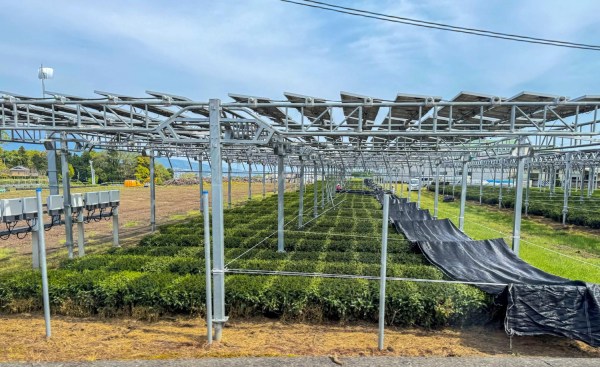
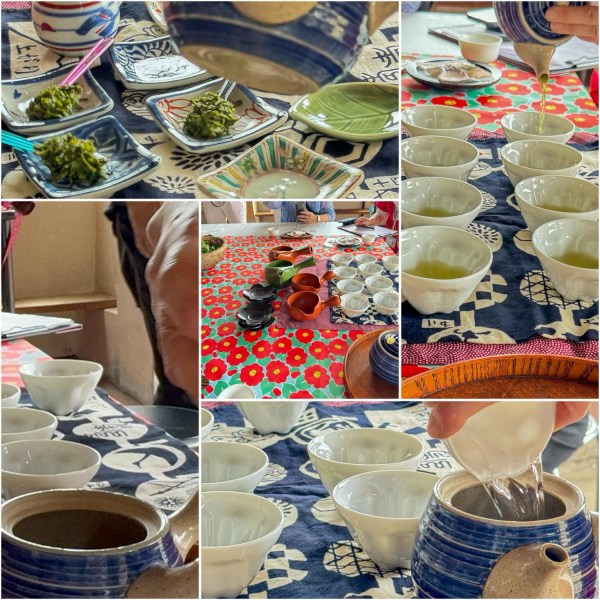
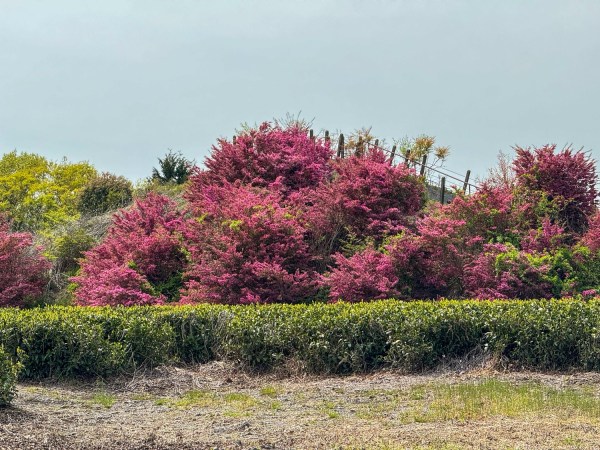
To round off the day, we visited the Sakurai Green Tea Plantation. Lush green fields stretched out before us, the air scented with the delicate aroma of green tea. We were given baskets and went to a small area of bushes and picked some tea leaves by hand. Do you remember the white tea commercial that says “how do you make white tea? You pluck it!” And that’s how we did it, by picking the correct color leaves for the freshest flavor. We wandered through the plantation, learning about the meticulous tea-making process. Finally, we sipped on a cup of freshly brewed hot and cold tea, both tasting very different. The hot tea honestly tasted like grass, but when the owner told us to take a bite of the sweet cookie when we drank the tea, it made a huge difference. Our last test was to take a bite of the tea leaves mixed in oil and soy sauce. It was actually pretty good. Even Chuck ate it! And yall know he won’t eat anything green!
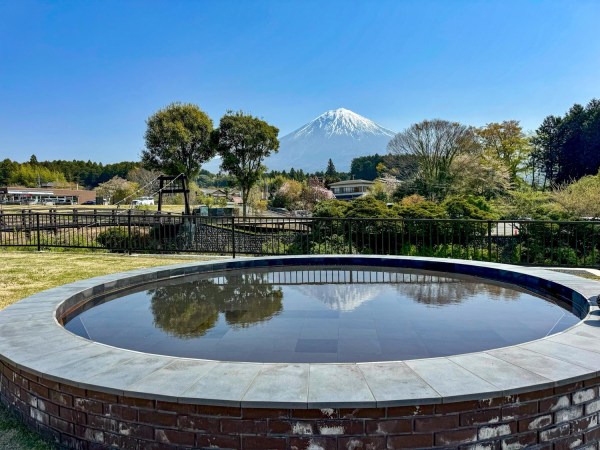
We had a marvelous day viewing another amazing wonder! I’m still pinching myself!
Our last Japanese port is tomorrow, Osaka!.
May God bless you always!
Chuck and Lea Ann
 WorldTravelReynolds