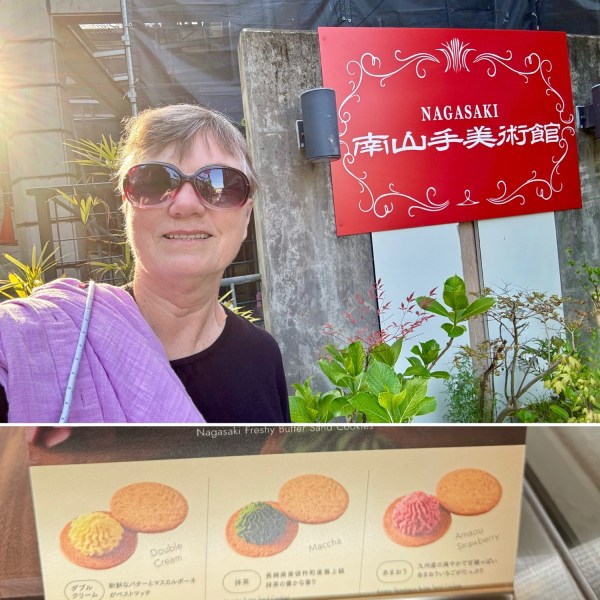
We arrived later today into Nagasaki. It was quite a trip over from Beijing. However, after the two days we had in China, this was a welcome relief, even if only a few hours. Being able to sleep in without an alarm clock was really nice! We are both tired but still chugging along. Chuck said he felt like he was working again!

We had to retrieve our passports to use in Japan. What Royal Caribbean and the Japanese leadership are doing is making certified copies of our passports that they can stamp and we can leave our passports onboard. Has worked out great for China as well. It sure makes it easier to keep up with and get through the checkpoints and customs on each trip.
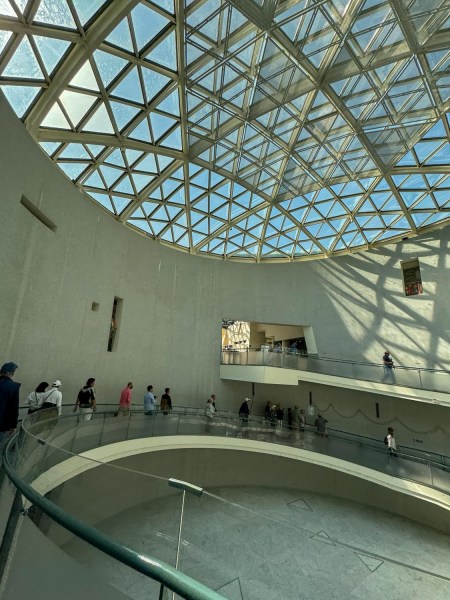
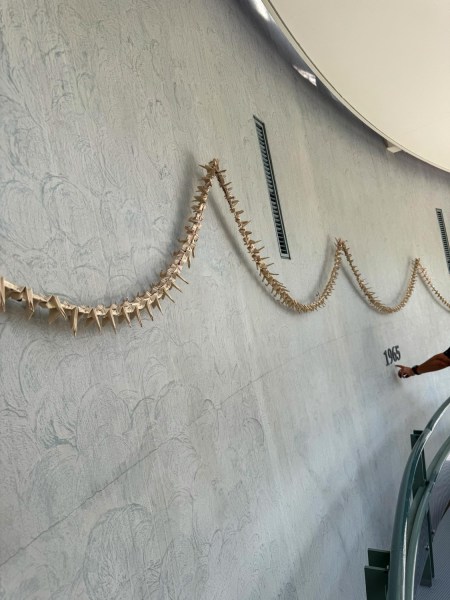

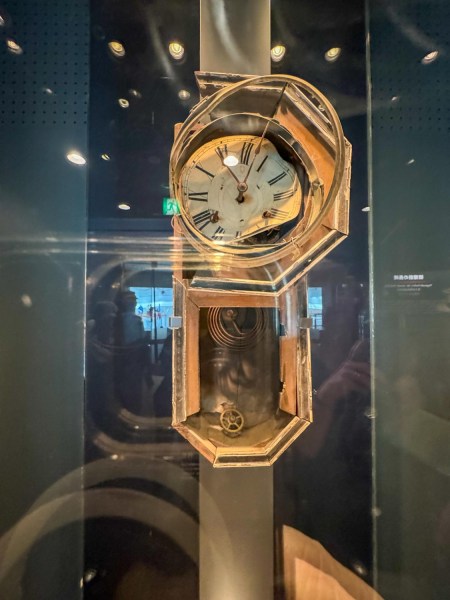
Nagasaki is a city that will forever be etched in history. Remember the atomic bombs that hit Hiroshima? Well, a second one hit Nagasaki. We had a somber experience today at the museum. Unfortunately or maybe fortunately we werent here long enough to fully entrench ourselves in this nightmare. We did get quite a history lesson that I for one didnt realize was so profound. Lessons we should have learned in school, but didnt absorb it.

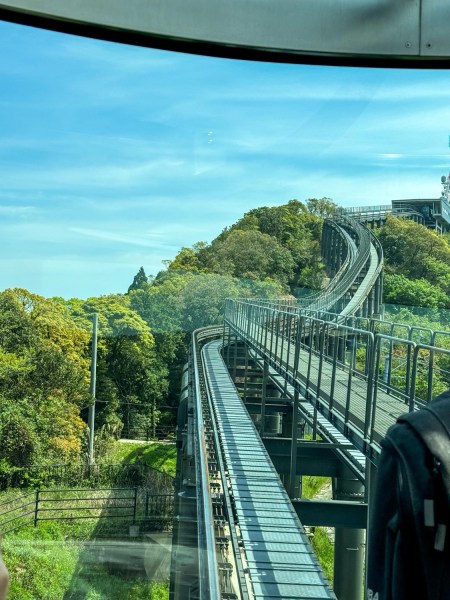
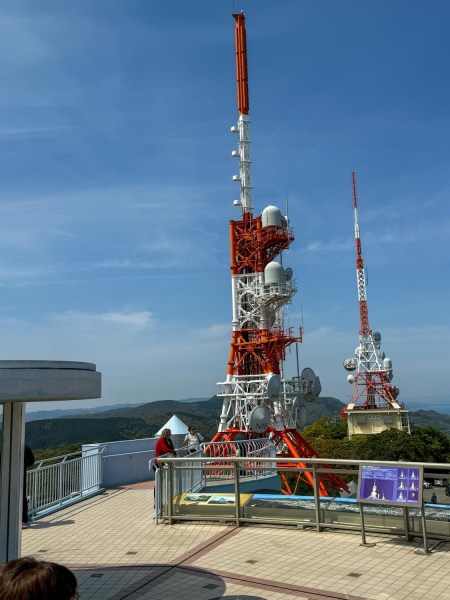
We started first with a scenic ride on the Inasayama Slope Car, a funicular railway that whisked us up the slopes of Mount Inasa. Reaching the summit, we saw the best panoramic views of the city sprawling beneath a beautiful blue sky. The iconic Mount Inasa Radio Tower was very tall and at night it displays colors showing its iconic shape.
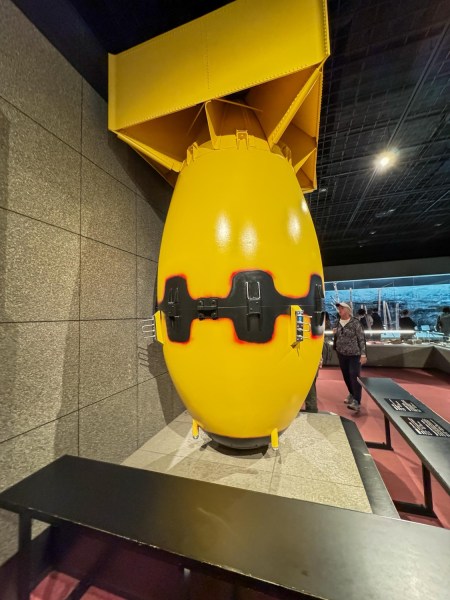
Explosive Force : Equivalent to 21kt of TNT
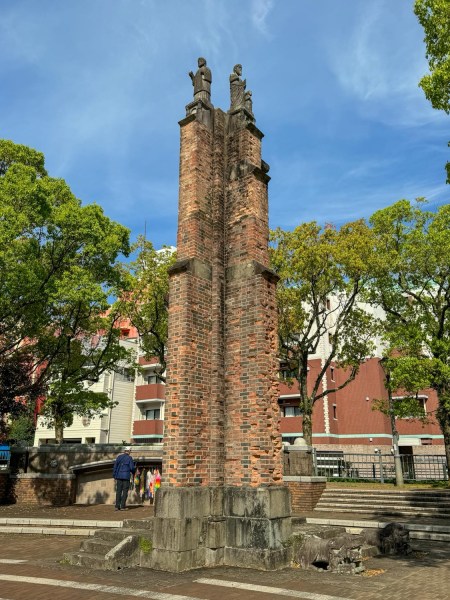
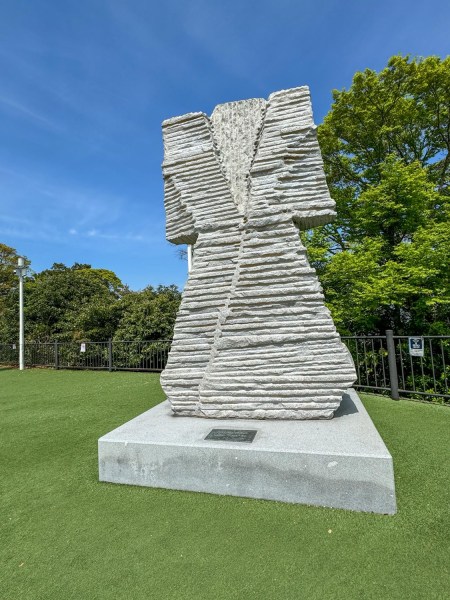
Next to the tower we explored the 450th Anniversary Sculpture commemorating the historic friendship between Japan and Portugal. The intricate design is a testament to centuries of cultural exchange.


From what I had time to read at the museum and the little research done online, the decision to use the atomic bomb on Hiroshima and Nagasaki was a controversial one, and the reasons behind it are still debated today. The prevailing view at the time among US leadership was that a ground invasion of Japan would be incredibly costly in American lives. Estimates ranged from hundreds of thousands to over a million casualties. The Japanese military showed no signs of surrender, so U.S. President Harry S. Truman ultimately made the decision to use the atomic bombs in the hopes of forcing a swift Japanese surrender and ending the war in the Pacific.
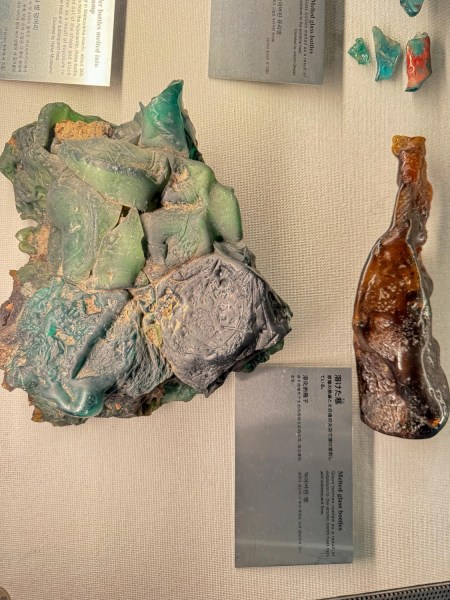
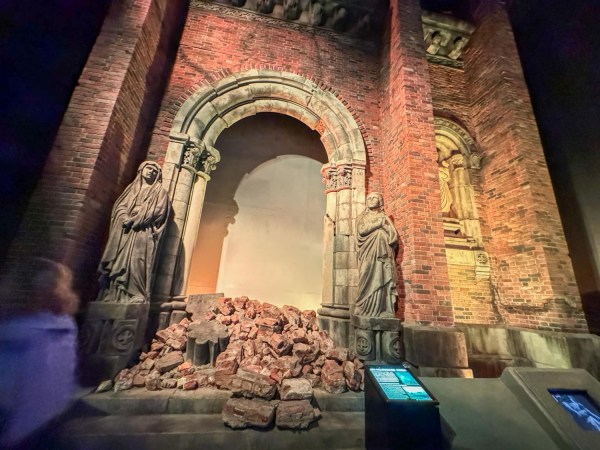
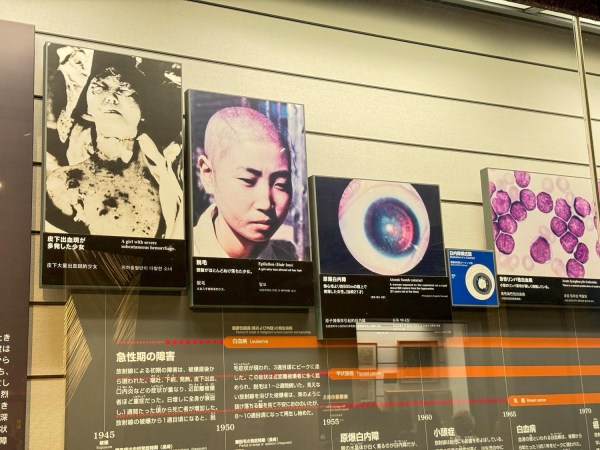
A somber mood settled upon us as we entered the Nagasaki Atomic Bomb Museum. Before arriving, I didnt really know what to expect but once I started reading, the feelings I had were of deep sympathy for the long lasting affects of this bomb. The exhibits weren’t simply artifacts, they were windows into the unimaginable. We saw melted bicycles twisted by the intense heat, melted glass bottles forever frozen in their warped shapes, and personal belongings charred beyond recognition. Photos depicted the once-vibrant city reduced to a smoldering wasteland. The museum meticulously documented the development of the atomic bomb, the fateful decision to use it, and the immediate aftermath. It wasn’t just about the physical destruction, the exhibits also highlighted the long-term health effects suffered by survivors, the psychological trauma that continues to this day, and the devastation of the natural environment. It was really difficult to see and read about but I now want to get the book and do more research on this bomb, the why’s and how now nagging at me.
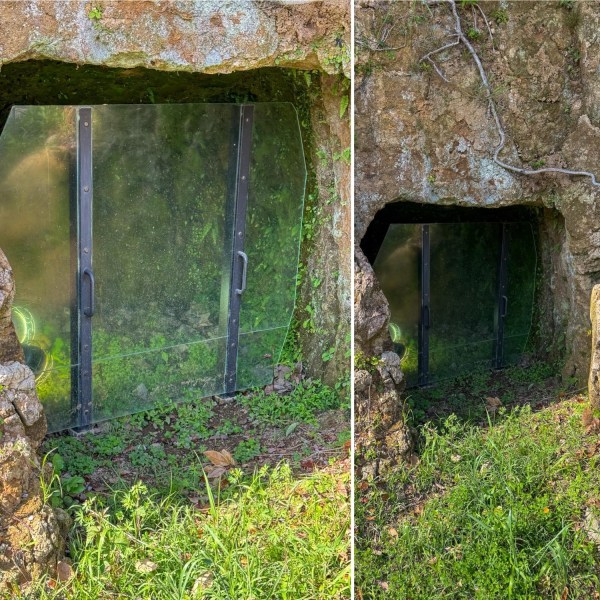

In 1978 the city of Nagasaki established a “Peace Symbols Zone” on both sides of the park and invited donations of monuments from countries round the world. There are 18 statues and among those were three flowering Dogwood trees donated by the United States.


Stepping outside the museum, the sculptures like these sculptures inside embodied the city’s yearning for peace in a way words could not. Another statue that touched my heart was the woman carrying a limp child’s body in her arms. These are the innocent ones that perished that day. These visceral representations of suffering served as a powerful counterpoint to the beauty of the surrounding park.

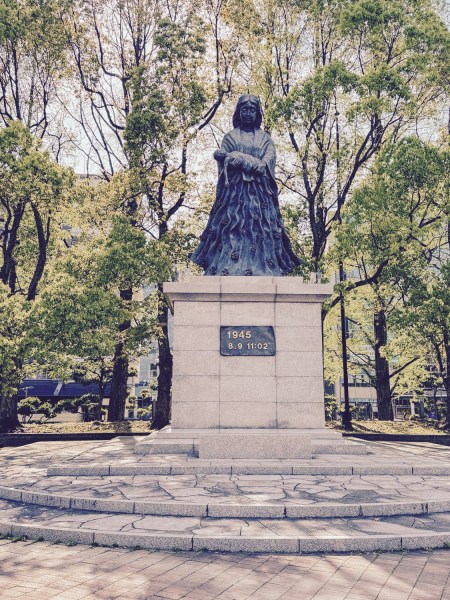
We walked further into Nagasaki Peace Park. The towering Peace Statue, a symbol of hope for a world without nuclear weapons, resonated deeply. Here, amidst the reflection pond and the folded paper cranes, a sense of quiet contemplation filled the air. Many thoughts and reflection going on in our heads.
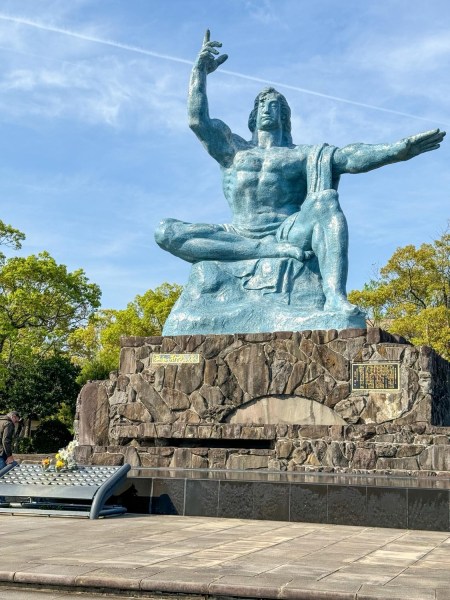
The elevated right hand points to the threat of nuclear weapons, while the outstretched left hand symbolizes tranquility and
world peace.
Our time was short at the museum and park so we continued to the site of the former Urakami Branch of Nagasaki Prison, a place where hidden Christians faced persecution centuries ago. The remnants of this dark past stood alongside a small, modern church, a testament to the enduring spirit of faith.
Christianity arrived in Japan in the 16th century and enjoyed a period of growth, particularly in Nagasaki. However, by the early 17th century, the Tokugawa Shogunate, the ruling military government, saw Christianity as a threat to its power and social order. A brutal persecution ensued, forcing Christians into hiding.

These resilient communities, known as Kakure Kirishitan (hidden Christians), practiced their faith clandestinely for over two centuries. They adapted their rituals to avoid detection. Prayers were disguised as Buddhist chants, and religious imagery incorporated elements of Shinto and Buddhist traditions. For example, depictions of the Virgin Mary often resembled the Buddhist bodhisattva Kannon, the goddess of mercy.

The Cathedral is dedicated to the Twenty-six Martyrs of Japan who were executed on Nishizaka Hill on the 5th February 1597. The Cathedral faces the site of their martyrdom. (Original)
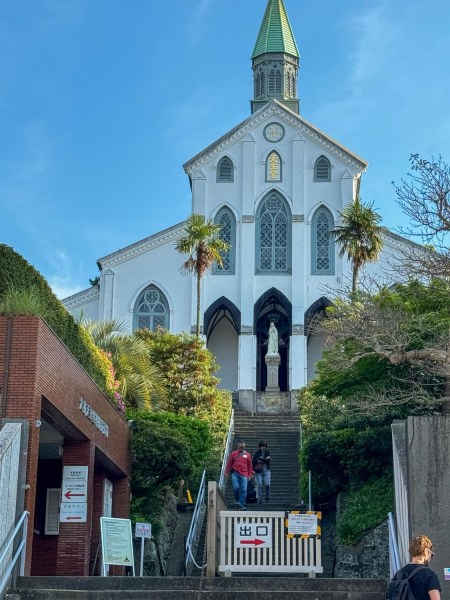
The Kakure Kirishitan passed down their faith orally, relying on dedicated individuals to memorize prayers and teachings. Since owning religious texts could lead to persecution, handcrafted rosaries and crucifixes became important symbols of their faith.
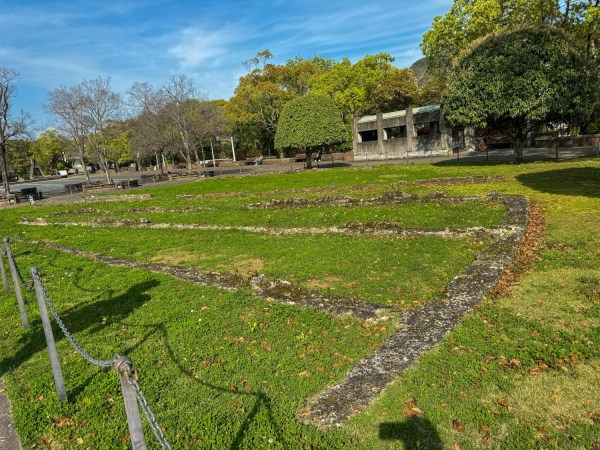
The discovery of hidden Christian communities in the mid-19th century, following the easing of religious restrictions, was a remarkable moment. When French missionaries arrived in Nagasaki, they were met by a delegation of Kakure Kirishitan who emerged from hiding after generations of practicing their faith in secret.

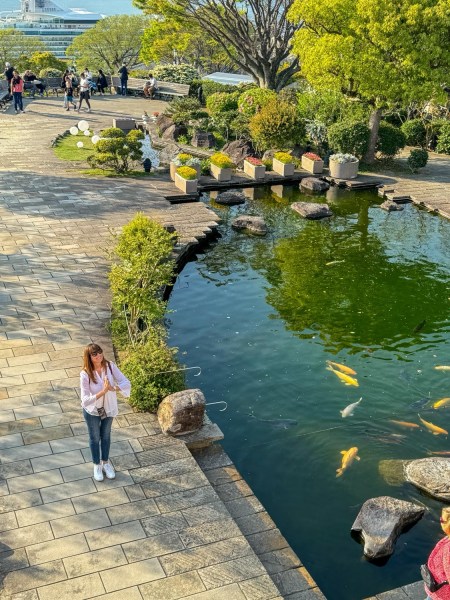
Finally, we concluded our day at Glover Garden, a charming Western-style park with restored Victorian-era residences. Here, we climbed many steps to see beautiful gardens, homes and Koi fish in ponds. The cute victorian home oversaw the pond. Such a beautiful area.


Walking back to the ship we stopped for some different Japanese treats to take back to the room. Japan’s desserts aren’t overly sweet but really good, especially with coffee so we picked up a few for those times when we want something sweet and the buffet is closed. (which isnt very often).

Tomorrow we are in Kagoshima for a short day. The weather looks promising at a low 70 degrees.
May God bless you always!
Chuck & Lea Ann
 WorldTravelReynolds
Lea Ann: Thank you so much for your blogs. They are so informational and make me feel I am traveling the journey with you. I love all of the photos, especially the ones of you guys in local costumes. They are so fun. I am learning so much about places, people and customs I have never ever even thought about. All I can say is WOW! I can’t begin to imagine the many feelings you are experiencing. Everything from pure joy and awe to agonizing grief, sadness, sympathy and compassion especially at the atomic bomb exhibits and memorials. My heart is heavy and I have tears just thinking about it! You are amazing to be able to keep up this pace and still post such beautiful smiling photos at the end of each post. So grateful to be able to follow you on this incredible journey. Sending prayers and our best wishes for continued good health and safe travels to you and Chuck.
Vickie and Lee
LikeLiked by 1 person