
Our trip in Beijing was another memorable one for the books. The Forbidden City and the Great Wall of China are part of the World Wonders on this 9 month tour. We were up very early and prepared for a 16 hour day. We left the ship at 8 am and didn’t return until 12:30 am. So here’s your warning, this is like a two day post. May want to pace yourself! 😳.
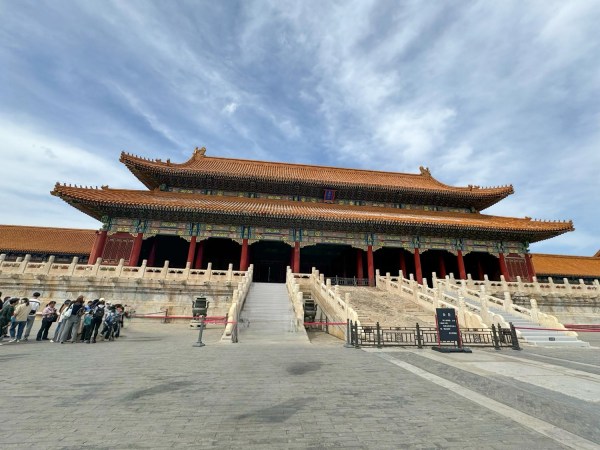

After a nice Chinese lunch and several hours drive time our first stop was The Forbidden City.

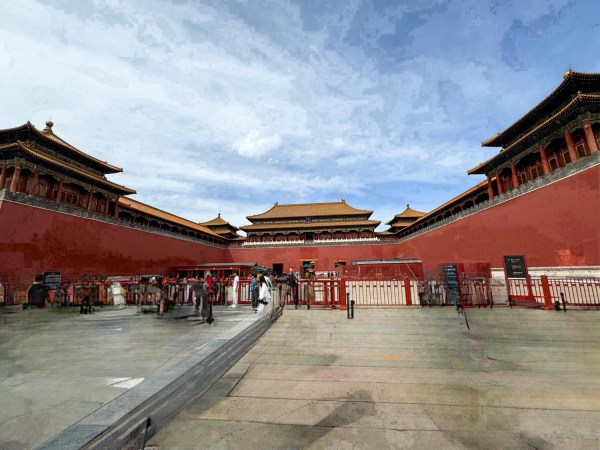
What a magnificent place, full of mystery and grandeur. We feel as if this was a great privilege of stepping through its spectacular gates and wandering the halls that once housed emperors and their courts. But before I delve into the architectural marvels, let’s rewind a bit and talk about the history of this magical place.

The Forbidden City was built in the early 15th century, commissioned by the Yongle Emperor of the Ming Dynasty (1368-1644). This dynasty ushered in a period of cultural and economic prosperity for China. The Forbidden City served as the political and ceremonial center of the empire, with access restricted to all but a select few. Commoners were not allowed here.

The Mings were succeeded by the Qing Dynasty (1644-1912), a period marked by significant territorial expansion. The Forbidden City remained the imperial palace during this time. Here, it’s important to note that the emperors of both dynasties practiced polygamy, having multiple wives and concubines. These women resided within the Forbidden City’s inner sanctums, their lives shrouded in a veil of secrecy.


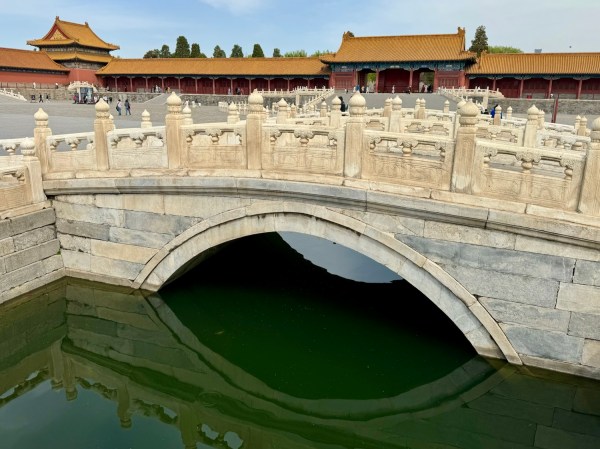
Now, where were we? To describe this amazing Wonder that took us 2 hours and 4 miles to walk from one end to the other, The Forbidden City is a sprawling complex, surrounded by a wide moat.
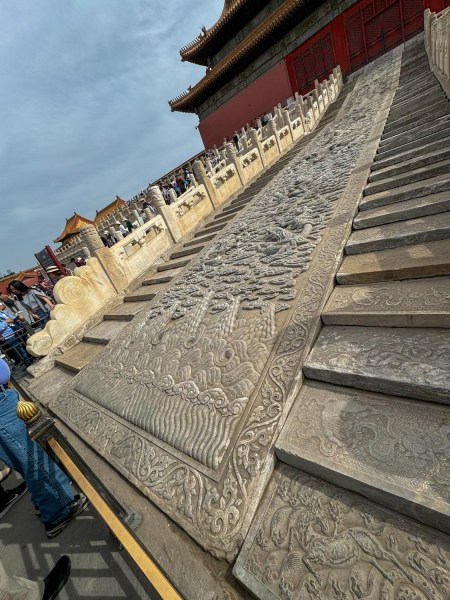

This will be a walk through the complex. I’ll describe, with notes under the pictures of ones I was able to capture. Hopefully you will see how these places fit into this unbelievable journey through the different dynasties. The City is massive and I was unable to get it all.


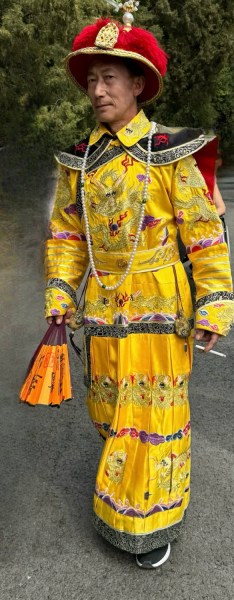
It all began at the huge Wumen (Meridian Gate), the southernmost entrance. Passing through, we found ourselves in the vast Outer Court, a ceremonial space leading to the even grander Inner Court.

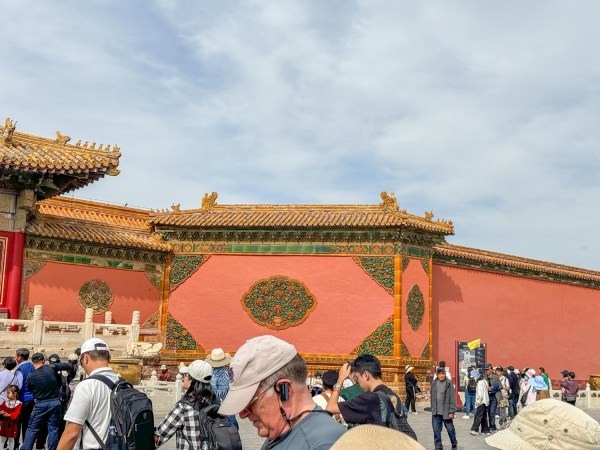
The Gate of Supreme Harmony marked the entrance to the Inner Court. Here, emperors would hold grand audiences and processions.


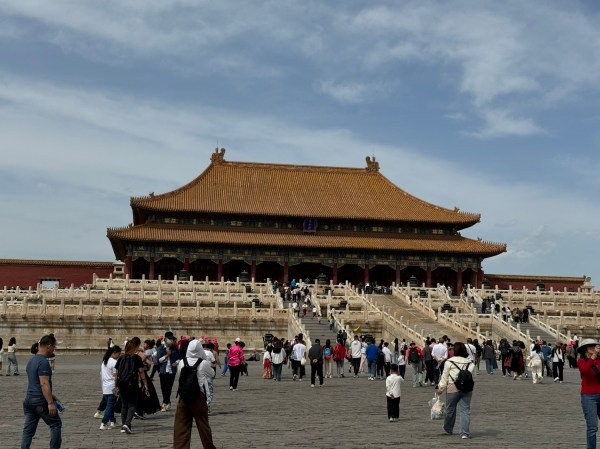
Stepping over foot tall thresholds, we reached the Hall of Supreme Harmony, the largest structure within the Forbidden City. This awe-inspiring hall served as a space for enthronement ceremonies and other significant events.

Continuing our exploration, we encountered the Hall of Preserving Harmony, used for banquets and receptions. Walking north, I passed through the Gate of Heavenly Purity, leading to the Hall of Union, a space reserved for family gatherings and ancestral worship.

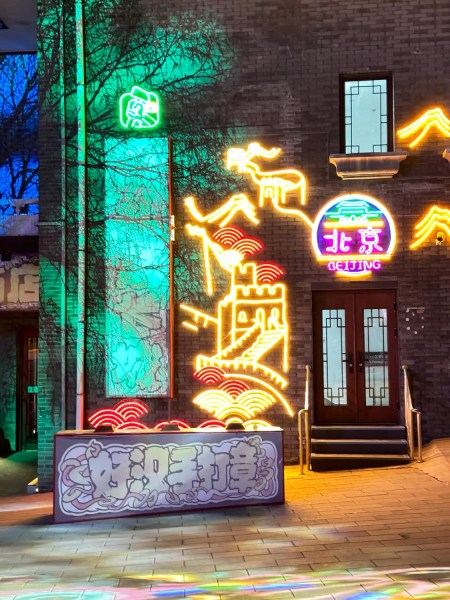
Deeper within the Inner Court lay the Palace of Earthly Tranquility, the emperor’s private residence, and the Palace of Earthly Honor, the residence of the empress. Finally, I reached the serene Imperial Garden, a haven of landscaped beauty within the palace walls.


Leaving the Inner Court through the Gate of Divine Might, I found myself uat the foot of Coal Hill, an artificial hill symbolically protecting the Forbidden City from the north.

Our day at the Forbidden City was a journey through time. It wasn’t just about the architectural wonders, but also about the stories etched within its walls – stories of emperors, dynasties, and a bygone era. It’s was a place that left us with a lasting impression.
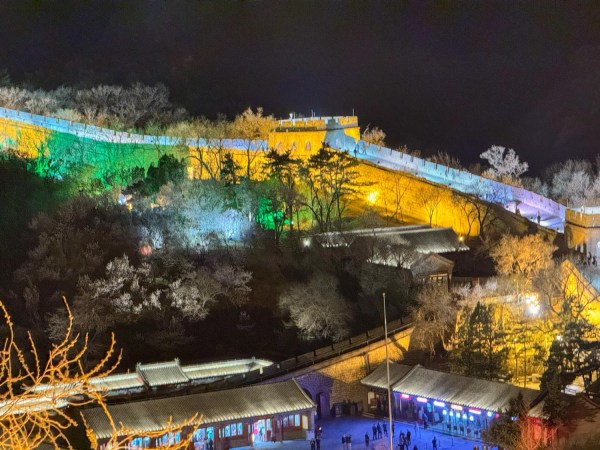
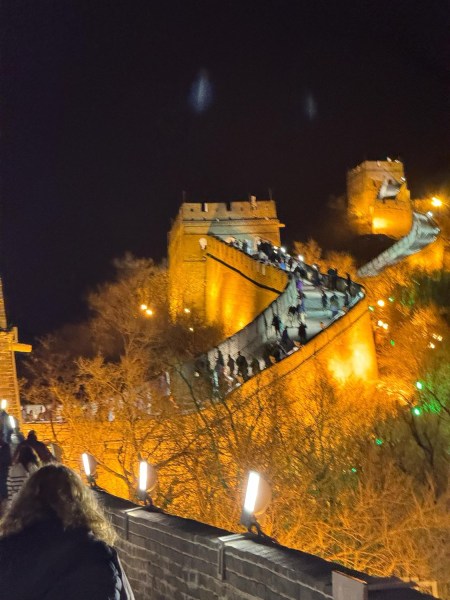
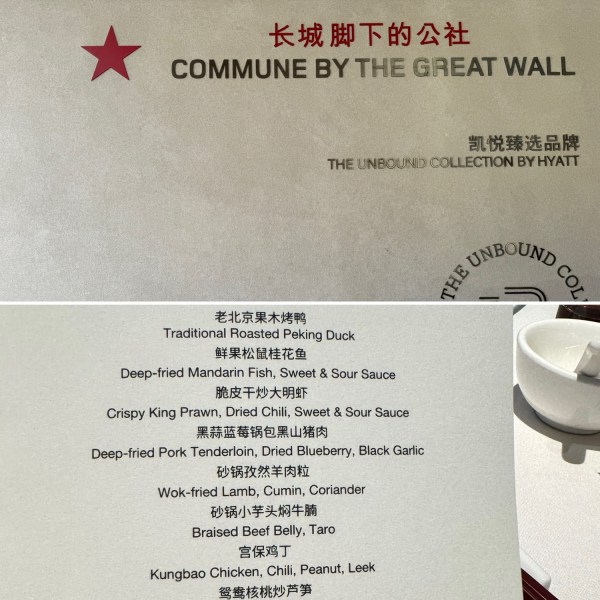
Our heads full of awe, we boarded our bus to head north to the Great Wall but first we stopped for the most amazing Chinese dinner. Since we were just outside the gates of the Great Wall, we were able to see some areas of the wall in the daylight and were able to take some beautiful photos. Also one of the sunset going down over the wall was just spectacular.

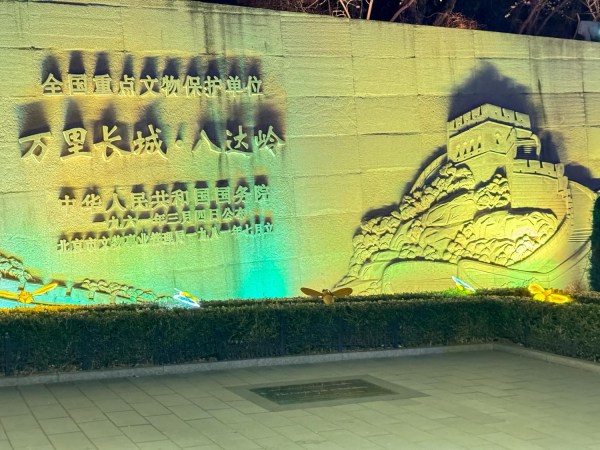
This was another expedition that Royal Caribbean went above and beyond to provide the greatest experience for its world cruisers.


Climbing on the bus, we were excited about our upcoming stop at the great wall. It was just around the corner. The wall at night is rarely opened. Only on special occasions. We were one of these special occasions! It was opened just for the Ultimate World Cruisers and we had so much entertainment as we walked in and out after our visit. Laser light shows and several different dances along our path to the wall.
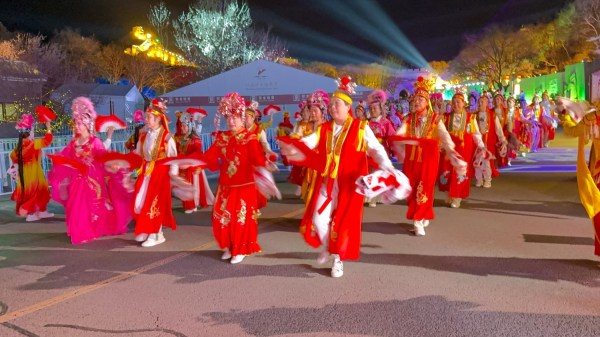
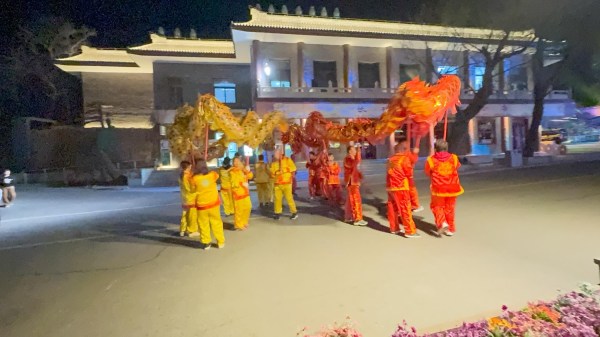
Most visitors explore the Great Wall during the day, but some sections, like the Simatai and Badaling sections near Beijing, open their gates after dark at special events. And let me tell you, it’s an experience unlike any other.

The Great Wall isn’t just one wall, it’s a series of interconnected barricades that snake their way across China’s northern borders. The total length of these man made walls is staggering – estimates range from 8,187 to 13,171 miles! That’s enough to stretch halfway around the world!



Construction began way back in the 7th century BC, with various dynasties adding their own sections over the centuries. The most famous sections we see today were built by the Ming Dynasty (1368-1644 AD) to protect itself against invaders.
The nighttime experience for us was available at the Badaling section: This is the most well-known and heavily restored section of the Great Wall. The nighttime experience was just spectacular. Floodlights illuminate the wide, restored walkways, making it easier to see but with enough shadows to have an exciting nighttime adventure.

The nighttime view was truly breathtaking. We didn’t have the crowds since we had the wall all to ourselves but we did have a profound sense of peace and quietness. Seeing another World Wonder in this long adventure is truly a gift.

It was an amazing night and day to remember. The long bus rides long forgotten as we boarded the ship after midnight.
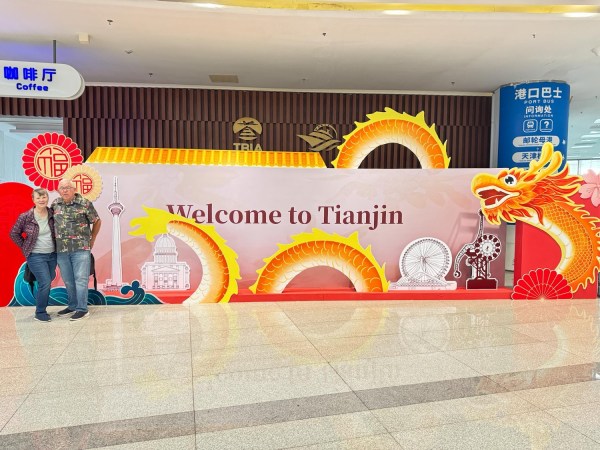
We have a 6 am alarm to visit Tianjin, our port city to Beijing so it’ll be a short night!
May God bless you always!
Chuck and Lea Ann
 WorldTravelReynolds