
When we signed up for this tour, we really didn’t pay attention to what the DMZ really was. To me, it was just another tour and Chuck wasn’t aware since I don’t do a good job in keeping him informed, until we started talking to others about the tour itself.
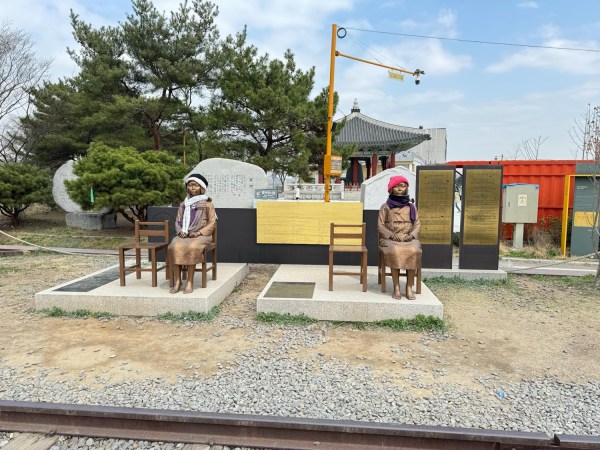

The misconception we had was easy to make – once we all started talking (and if you didn’t know much about it) a trip to the DMZ, the Demilitarized Zone separating North and South Korea, involves venturing into North Korea itself. Not quite! But our well-organized DMZ tour from Seoul gave us the opportunity to almost touch North Korea and see a powerful symbol of a divided nation.

The Korean War would last 3 years and claim over 3 million lives.
Our trip was about an hour and half drive to the DMZ, first stopping at Imjingak Park, a sad reminder of the human cost of the conflict. Rows and rows of colorful prayer flags, adorned with messages of longing and hope, swayed gently in the breeze.

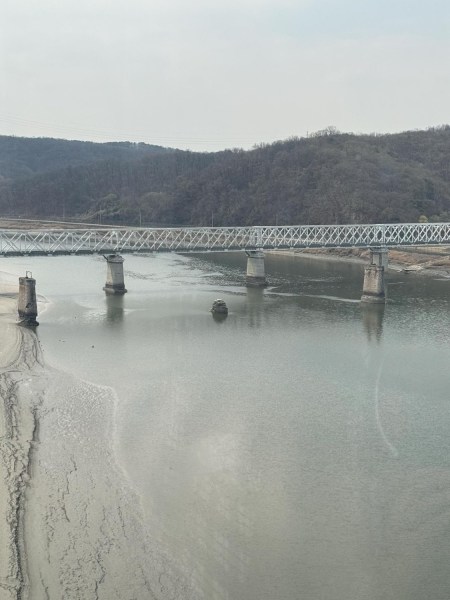
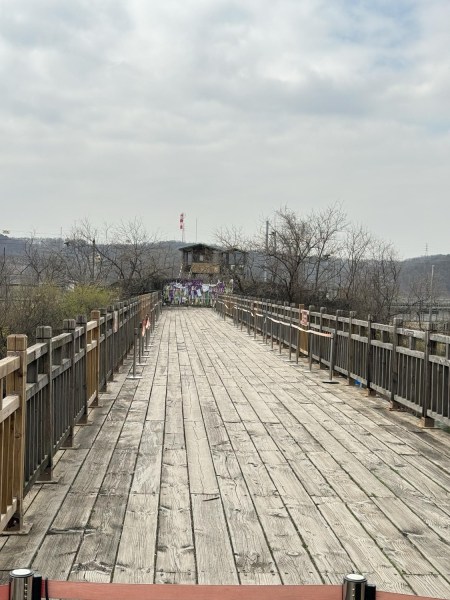
We walked over to the Bridge of Freedom. This steel structure, once a vital link between North and South Korea, now stands frozen in time. It was used to repatriate prisoners of war (POWs) from North Korea. The original wooden bridge was blown up during the war. No one is allowed on this bridge.
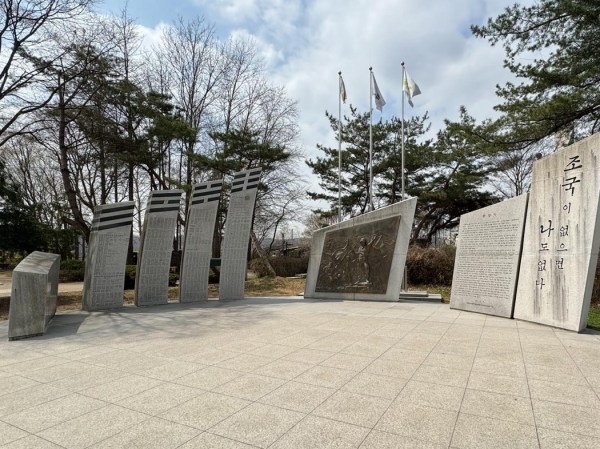
We made our way over to the Imjingak Peace Park, established in 1972. It contains a number of statues and monuments, including a Peace Bell, and Trumans statue. The memorial depicts the president’s June 1950 statement, pledging US military support, after North Korea invaded the South. The Korean War would last 3 years and claim over 3 million lives.

We took a scenic gondola ride across the DMZ. This unique perspective allowed us to grasp the sheer scale of this buffer zone, a very large swathe of land so quiet and deserted of civilian life. The tension in the air could be felt with the still quietness.
The DMZ is much more than just a line drawn on a map. It’s a 2.5-mile wide swathe of land (roughly 2 kilometers) that stretches for about 150 miles (240 kilometers) across the peninsula and runs roughly along the 38th parallel north, dividing the Korean Peninsula almost in half. Established by the Korean Armistice Agreement in 1953, it serves as a buffer zone between North and South Korea. Think of it as a giant no man’s land, designed to prevent further hostilities after the brutal Korean War. This zone is heavily fortified on both sides, with minefields, barbed wire fences, and armed outposts creating a tense atmosphere.
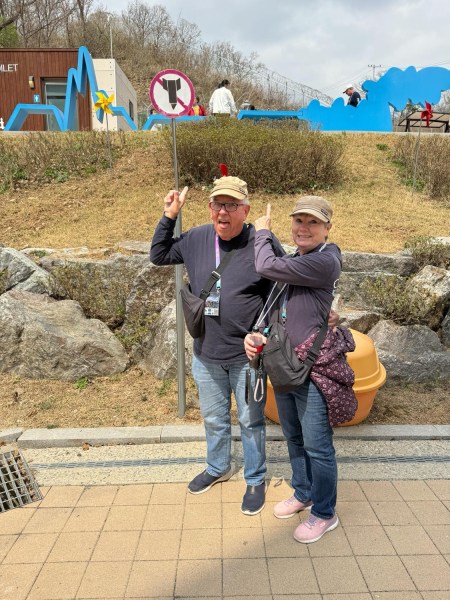
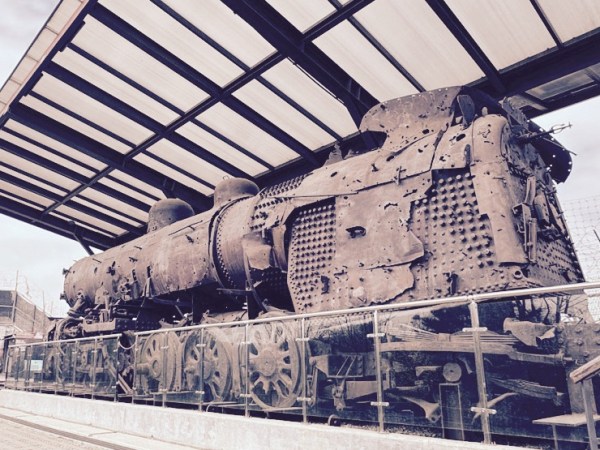
While on the gondola ride we could see the remaining pillars of the destroyed Freedom Bridge and the rebuilt Imjin Railroad Bridge. Once a vital artery connecting North and South, it now stands as a testament to the severed link and the immense cost of conflict. The remnants of the engine, called the Peace Train is set up in the Injingang park, its rusted body full of bullet holes.


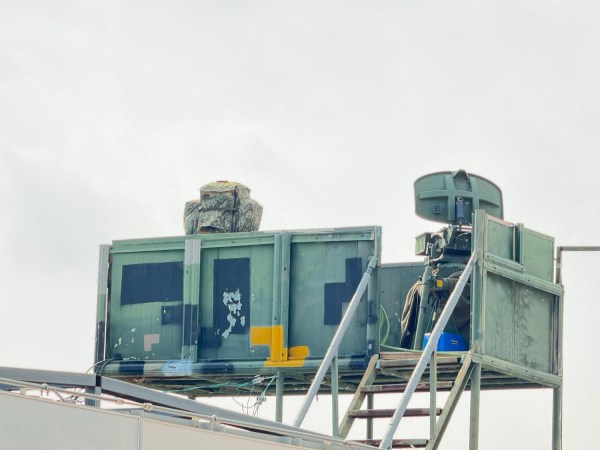
On the other side, exiting the gondola we were able to see many signs, literally, of this conflict. Coils of barbed wire above fences and signs showing mines were everywhere. The guard shacks were a little eery as well, being this close.


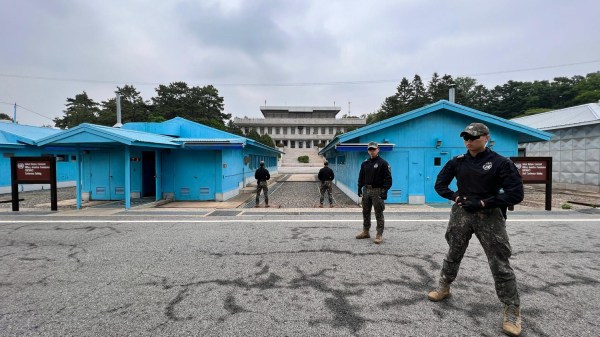
Back from our ride, our guide had to get a manifest to match our passports so after that was complete and our time here done, we were back on the bus. To cross the very strict military zone, we had to wear a badge signifying we were visitors and not tourists. At the guard gate each of our passports were checked to make sure they matched our name and birthdate exactly on the manifest. Two spouses did not come on the tour so we had to go back outside the zone and revise the manifest and then back at the guard gate again we had to repeat the process. We couldn’t take any photos at the checkpoints which had military propaganda, jeeps, artillery and more.

Assuming you don’t know about the conflict between the North and the South, following World War II, Korea, liberated from Japanese occupation, found itself divided at the 38th parallel known today as the DMZ. The Soviet Union backed the communist North Korean regime led by Kim Il-sung, while the United States supported the South Korean government. This ideological division set the stage for conflict.

On June 25th, 1950, the simmering tensions boiled over. North Korea launched a full-scale invasion of South Korea, aiming for a swift unification under communist rule. Many historians believe this wasn’t just a territorial dispute but a proxy war between the US and the Soviet Union, the two emerging superpowers locked in the Cold War.
The US, fearing the spread of communism in Asia, intervened under the banner of the United Nations. General Douglas MacArthur led UN forces, pushing back the North Koreans. China, wary of a unified, US-allied Korea on its border, entered the conflict on the North’s side. The war became a bloody stalemate that ravaged the Korean peninsula.
The Korean War was a horrendous tragedy. Estimates vary, but millions are believed to have perished, with both military and civilian casualties. North and South Korea suffered the brunt of the losses, but soldiers from the UN forces, including over 36,000 Americans, also died in the conflict.
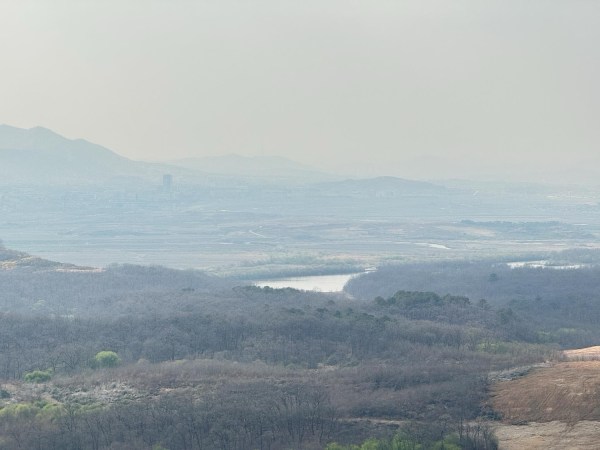
Ironically, due to the restricted human activity within the DMZ, it has become an unexpected sanctuary for wildlife. Dense forests, teeming with deer, boar, and even endangered species like Amur tigers, have flourished in this demilitarized space.
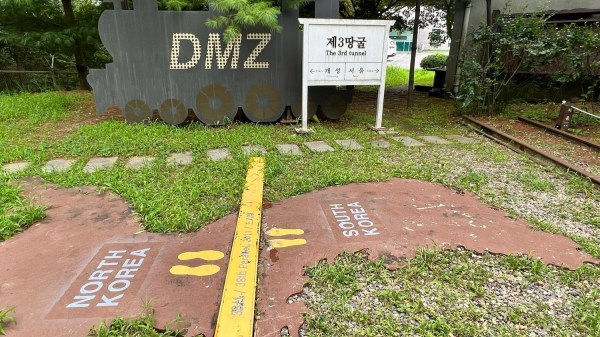
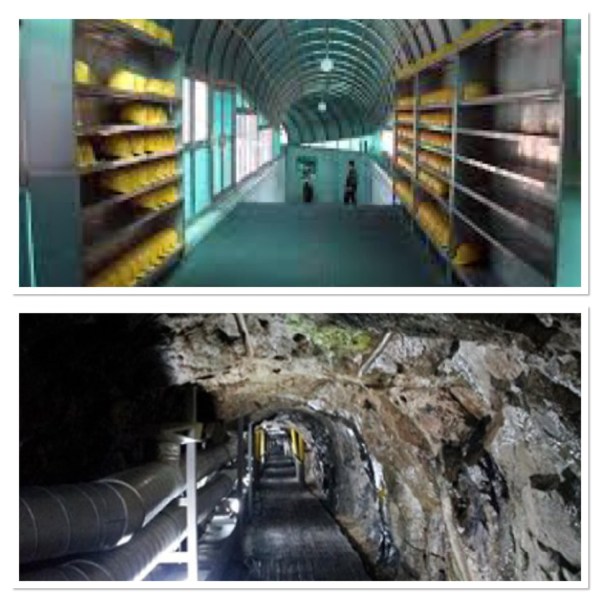
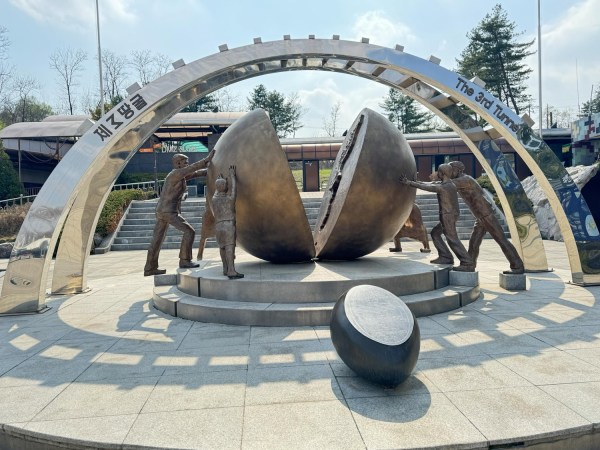
After our history lesson with our guide, who is South Korean, she walked us over to the Third tunnel. This tunnel , a secret passage dug by North Korea for potential infiltration, offered a chilling glimpse into the Cold War mindset. The low, narrow passage felt oppressive, a stark contrast to the bright Seoul sunshine we left behind. We literally had to walked stooped over as the tunnel was so small for even my 5 foot 3 inch frame. It was also very steep to get down to the tunnel so Chuck decided not to go. I did fine walking down but coming back up was a real challenge. Along our route we saw yellow markings where bullet holes were found.
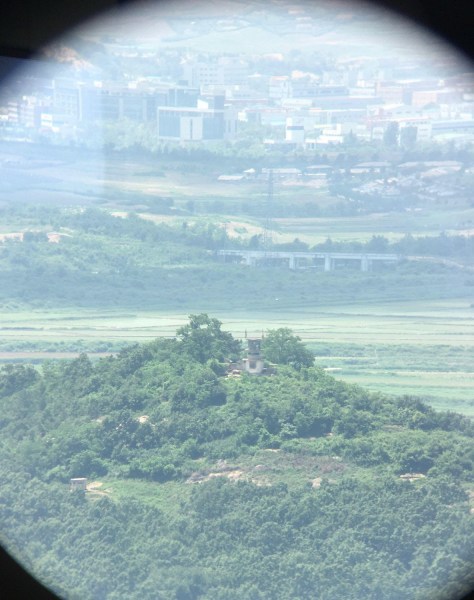
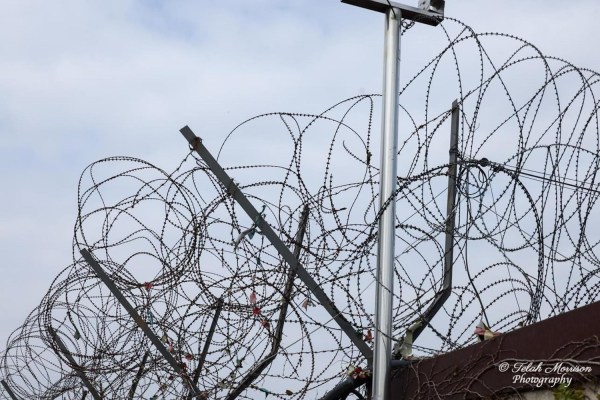
Emerging from the tunnel, we made our away to the Dora Observatory. Here, atop a fortified structure, powerful telescopes allowed us to peer across the DMZ into North Korea. The sight of propaganda villages and watchful guards created an eery feeling as we viewed the two countries side by side. The MDL, Military Demarkation Line, cannot be seen but the distance between two countries is very noticeable with the dark contrast, coils of barbed wire above fences and guard stations visible. The are also two flag poles, one with the North Korean Flag on their side and South Korean on the DMZ side.
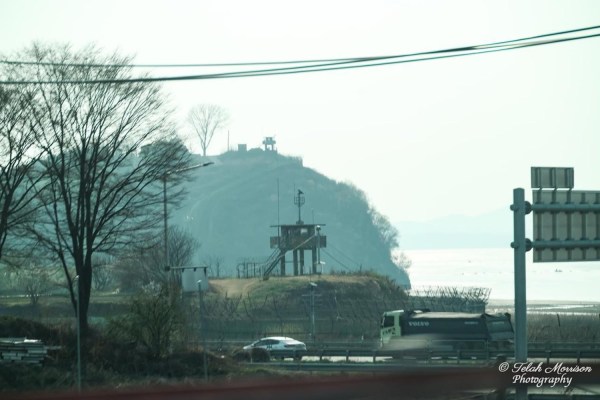

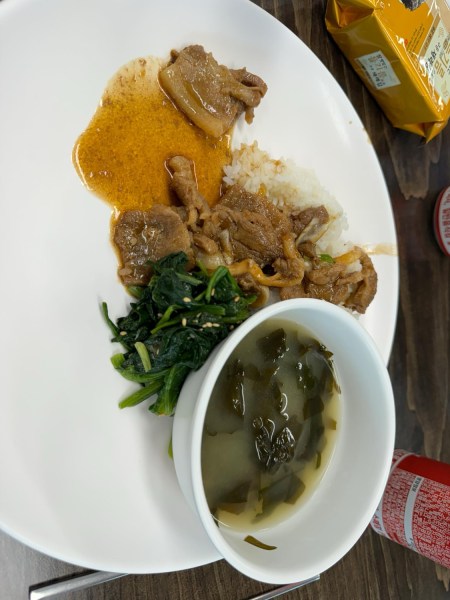
We drove through Tongil-chon, a remote village on the DMZ, located just outside the buffer zone. We weren’t allowed to stop but we were allowed to visit a restaurant nearby for some Korean cuisine. There are around 500 South Koreans living here that were here when the war started. They cannot leave the village until the age of 40 and must have a permit to go in and out of the area. They have South Korean flags in their yards and if they are home, they must display the flag.

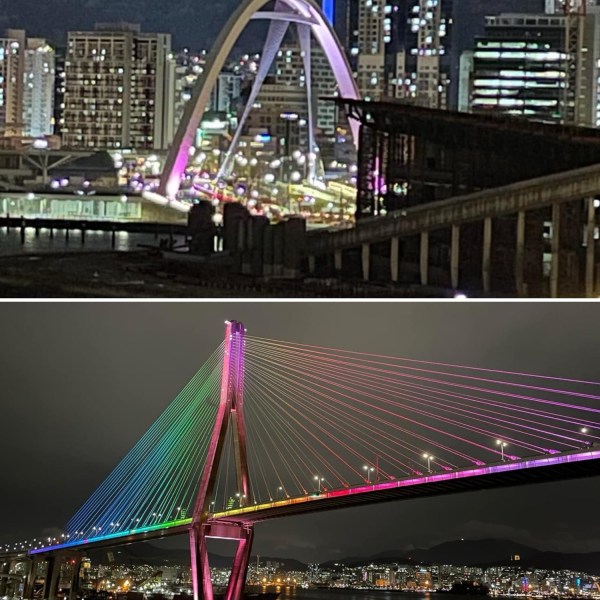
Our day complete, we made our way back to our village on the Serenade of the Seas. The evening nightlife of Seoul, South Korea was a welcome site and very beautiful from the ship.

We finally get another break (just one day) before we hit the Great Wall of China in Beijing. Our day will consist of 16 hours, with 9 hours total on the bus for travel. Taking my pillow and blanket in hopes I can get some sleep.

May God bless you always and God bless America for our freedom!
Chuck & Lea Ann
 WorldTravelReynolds