
Arriving this morning to our 2nd of 3 ports in South Korea is Jeju Island. We couldn’t wait to turn on the TV to see the weather. There is a channel that shows all the information about weather and wind for the day. We knew it would still be cold but at least the rain had let up significantly. It was still damp and a little warmer, by a degree or two, so we dressed much more appropriately this time. Our raincoats provided by the cruise line were a very nice gesture and work very well in light rain. But the cant handle gully-washers like yesterday.
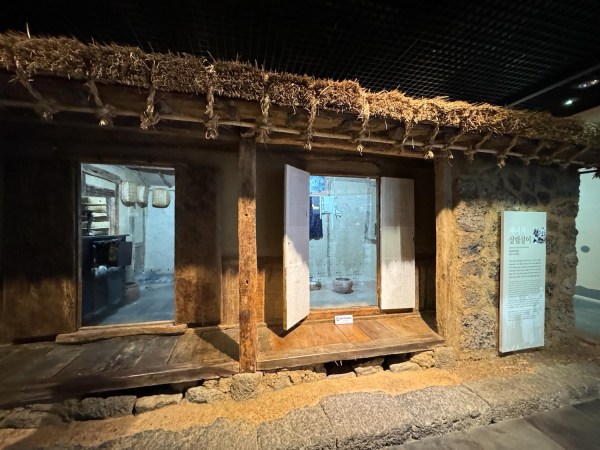
Our day began with a little confusion since we arrived at a different port than originally scheduled. The tour guide was a little confused on what we would be doing today but he knew well ahead of time that our port was different. That was a little unnerving but in the end, it turned out to be a great day. We didn’t have much time to fit in everything we originally planned as the ship needs to leave earlier to make it to Seoul overnight.

Since we have 3 divers in our group, we decided it would be great to go to the women divers museum. I had my doubts on how interesting it would be but it turned out great. We had about an hour drive before arriving so our guide provided us with some interesting information about the city.
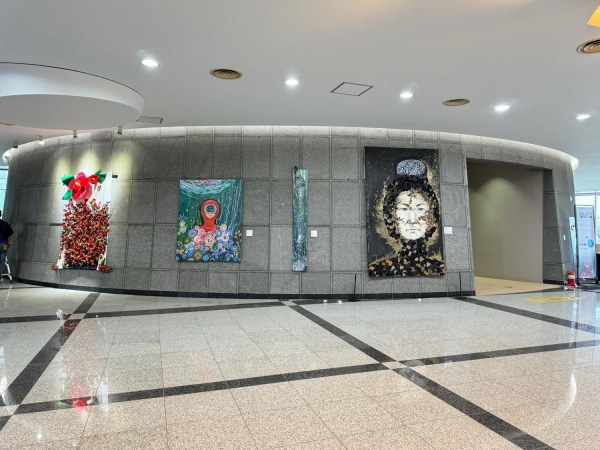
Jeju Island is known as the “Island of the Gods.” I’m thinking most areas around Asia are all named something else. The island is volcanic and has lots of rocks that are used for landscaping mostly. He said the coastline had many lava tubes as well. We have seen those before in Hawaii, remember?
The population of Jeju Island is only about 700,000 people. but would you believe there are over 15 million tourists per year? The small island has no high rises. A 30 story hotel is the tallest building here and is only 3 years old so maybe they are thinking “larger? for the future.
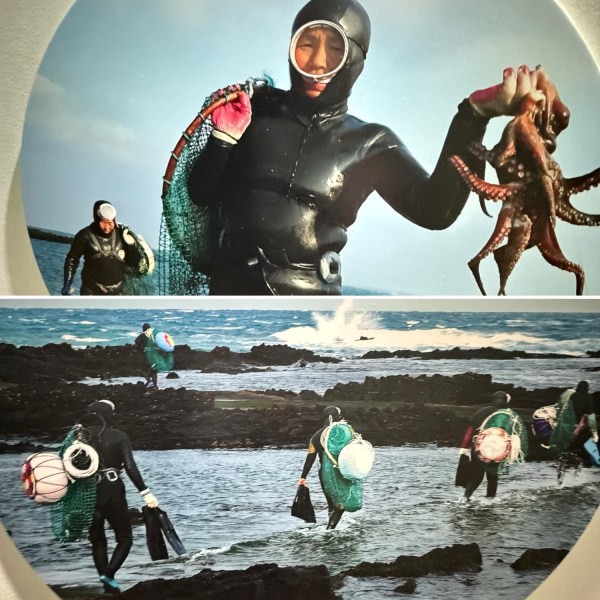
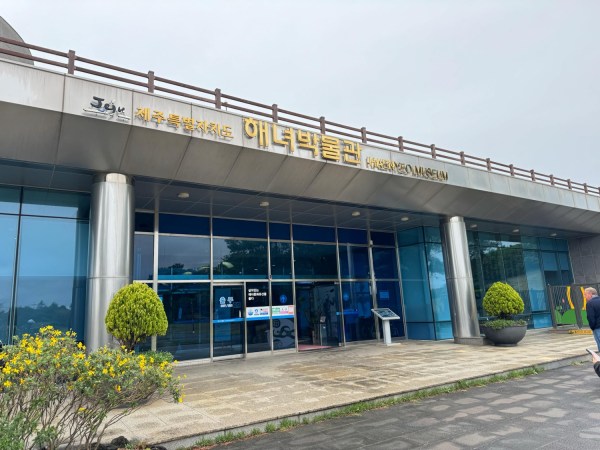
While tourism and tangerines are the largest moneymakers, fishing is still part of their history and tradition. With this tradition came the culture of the Haenyeo, the legendary women divers of Jeju. We arrived at the the Haenyeo Museum, a treasure trove dedicated to these awe-inspiring women.

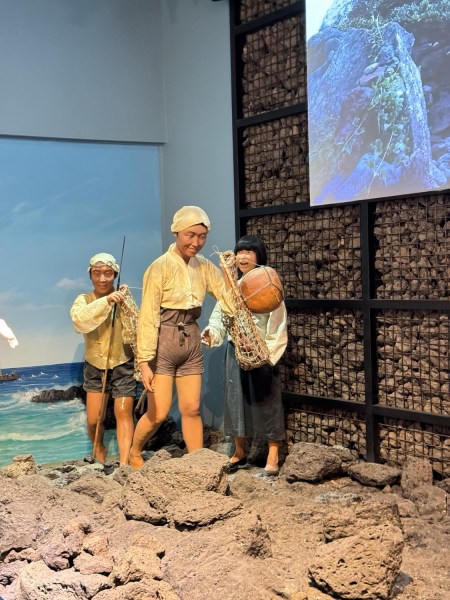
The earliest record for when the women started this practice was 1629. The most common fish they caught back then is Abalone, a marine snail with a mother of pearl shell, that can still be found today in the Pacific and Asian coasts. We saw some of these in the Japanese restuarant in a fish tank, now realizing what they were. The tradition is still ongoing today and is passed down to generations with young girls learning the techniques from their ancestors.
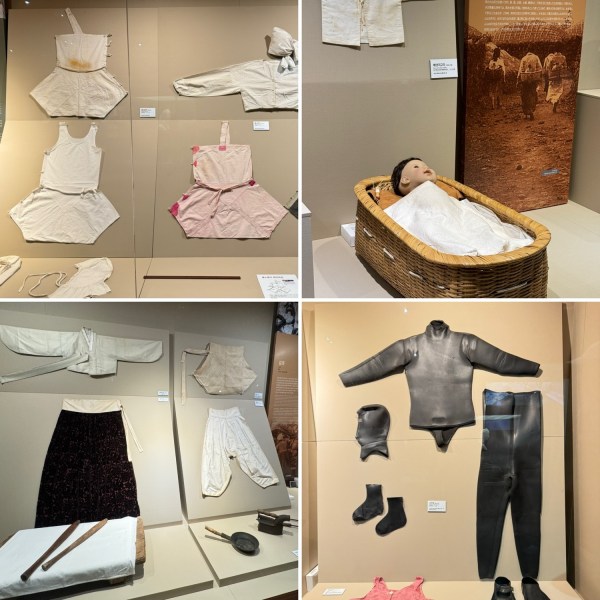
As much as I love architecture, the museum itself is very interesting, its architecture had lots of curves and circular staircases guiding you through the history of these women divers. We learned about their free-diving techniques, honed over generations, allowing them to harvest seafood from the depths without the aid of breathing equipment. They could hold their breath up to 3 minutes and dive down to 98 feet without a tank. Very impressive!
One exhibit that was particularly mesmerizing was a video showing the Haenyeo’s daily routines. The video depicted them braving the cold waters and cutting seaweed as well as stabbing the squid or fish with home made knives. What I thought was interesting was the knives had a string attached for their wrist so they wouldn’t drop them. Only a woman would think of that!
Another interesting fact was the way they would come up for air and make a whistling sound. This is called the Sumbisori. The technique entails exhaling very rapidly all the carbon dioxide accumulated in the body, and quickly inhaling fresh oxygen. The lungs of the haenyeo woman shrink from the pressure in the depths, and, hungry for air when they resurface, they expand, causing a violent inhalation and a high pitched wheezy whistling gasp. Thats the best way I can find online on how this noise is made. Our divers in the group, all male, were amazed at this.

According to some of the history read in the museum the women were the primary breadwinners for reasons that may not be known today but some theories suggest that due to wars or seafaring accidents, there were simply fewer men available. This left the responsibility of providing for the family to the women, who proved adept at diving.
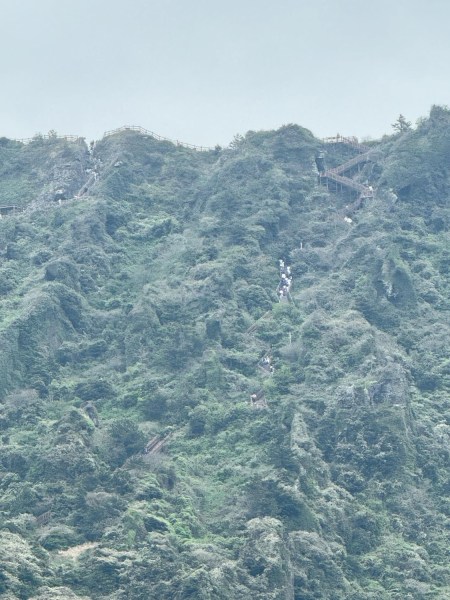
Jeju’s history involved conflicts and maritime dangers that could have depleted the male population. With fewer men available for traditional fishing, women likely stepped in to fill the gap and ensure family survival. Their diving skills became so honed that they continued in this role even when the male population recovered.

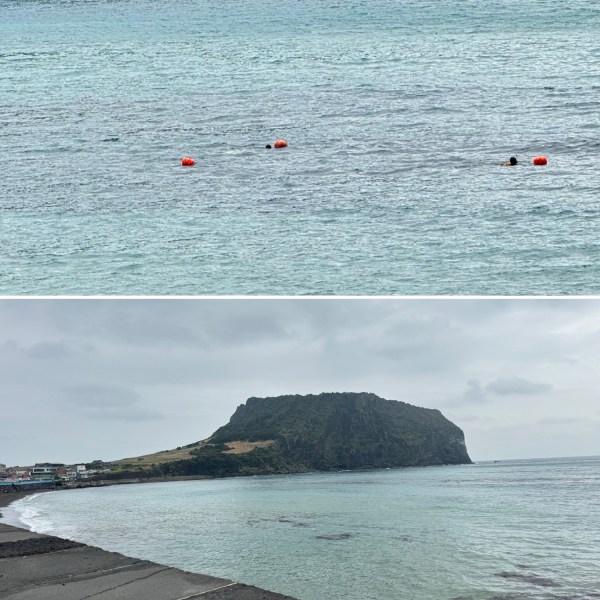
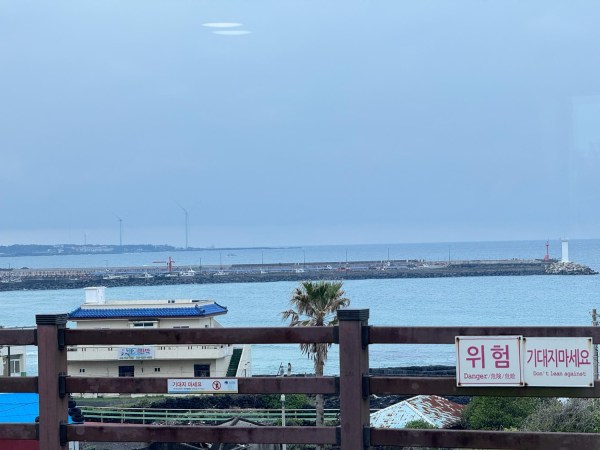
Leaving the museum, we carried a newfound respect for the Haenyeo’s way of life. While riding to our next stop, lunch, we accidently found several divers in the water near the restaturant. We were all excited and delayed our lunch to watch and take photos. That was a great find!

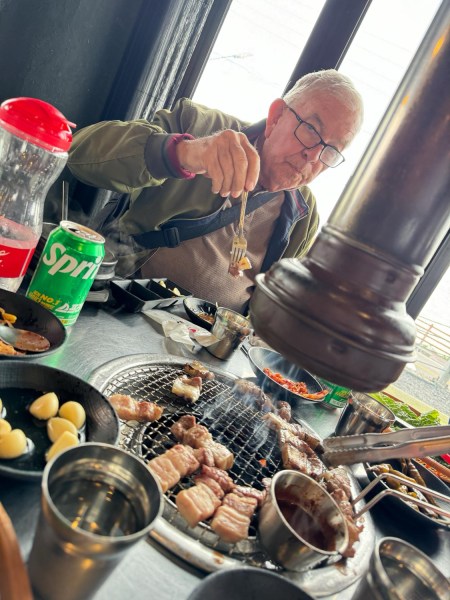
At the restaurant we had a traditional Korean barbecue. The table was laid out with the necessary tools such as chop sticks and lettuce wraps. We didnt use the chopsticks although Mark and Jane are pros. The chef’s came to our table, which had a fiery grill in the middle and laid out some marinated pork. The meat sizzled and smelled so good as we flipped and cut the meat to bit sized pieces. The smoke filled the air and our hair and faces. There is a fan dropping from the cieling of each table to whisk away the smoke but not all of it. The guide said it only blows toward beautiful women. Ok, you got me there! Lunch was fantastic and soon we had to leave to get back to the ship before they left us.
The mood was much better on our way back. The beginning confusion forgotten and our excitement over the divers was all we talked about.
Tomorrow is going to be an exciting day. We are going to the DMZ. DeMilitarization Zone to see where North and South Korea meet. This is where Former President Trump met North Korean Leader, Kim Jong Un.
May God bless you always.
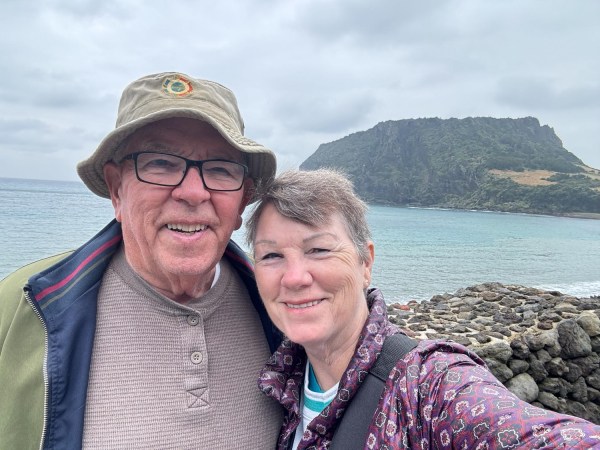
Chuck and Lea Ann
 WorldTravelReynolds