
After a blustery trip over the east China sea, we made it to Busan, South Korea. The trip was a little rough and with lightening and rain that continued the entire day we were there. I also found out that morning that my dear sweet Aunt Peatie passed away. She is my mom’s baby sister and I’ll miss our birthday calls (both in April) to each other every year. I loved her dearly.
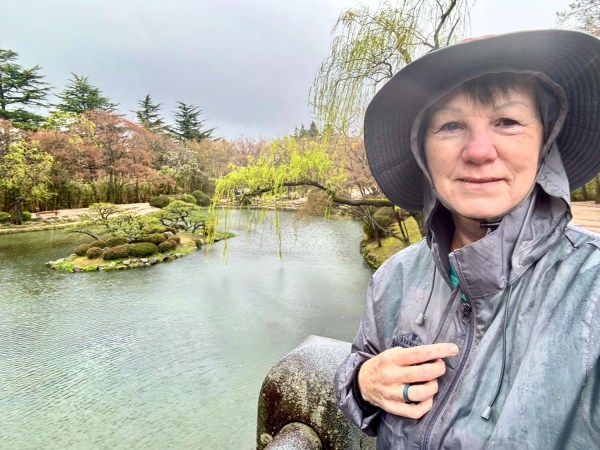

It was a miserable day over all. Cold, very wet and sad. We had thought we had on enough clothes for warmth but the bitter cold rain was unbelievable. Our hands and feet could not be felt the entire afternoon. It was difficult to be interested but we tried. We have seen so many buddhas and temples, we are getting a little bored.


Busan is South Korea’s second-largest city with 3.1 million people. South Koreas population is 51.6 million. As our tour guide lead us deep into the region’s fascinating past we found some very interesting historical highlights.

Busan has a long and interesting past. Evidence suggests there were settlements dating back to the Paleolithic era. About 2.5 million years ago. A very long time ago! The city played a crucial role in commercial marine activity throughout history, and its strategic location made it a frequent target for invaders such as the Battle of Busan. Thankfully, Busan persevered, and today it’s a thriving city.

Fighting the rain and cold, our adventure began at Gyeongju, the ancient capital of the Silla Kingdom (57 BC – 935 AD). This city, often nicknamed “the museum without walls,” is full of Silla artifacts. Our first stop was at the Gyeongju National Museum. The exhibits we observed inside the museum we very interesting. It showcased metalworking, ceramics, and even astronomical observation that was hard to believe since it was almost the beginning of time.
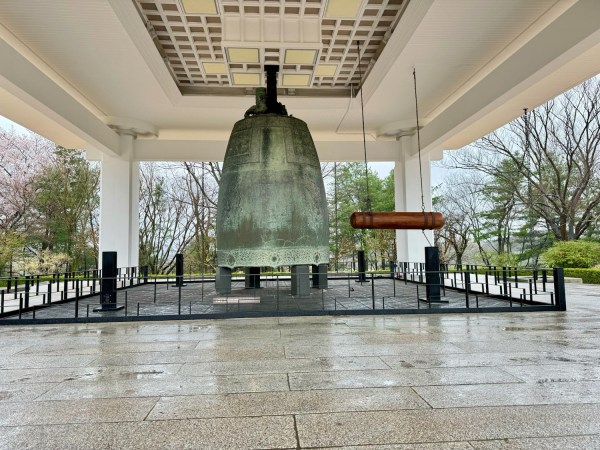

Next, we make our way over to the Gyeongju Daereungwon, which is a UNESCO World Heritage Site. This is where the royal tombs are from the Silla dynasty. The tombs looked like large hills and had the tombs enclosed within each. One of the most fascinating tombs we explored was Cheonmachong (Tomb of the Heavenly Horse). Legend has it that Silla’s founder, King Park Hyeokgeose, rode down from the heavens on a divine horse. More than likely, this is a symbolic story but it underscored the importance of horses in Silla culture. We even saw beautiful hardware that the horses wore.


We made our way over to the Cheonmachong Observatory. This 7th-century structure is considered East Asia’s oldest surviving astronomical observatory. Who knew there could be stargazers during this time period? It was very cool observatory, from the outside. We didn’t stay long as we were at a breaking point with the rain and cold. Wanting to get somewhere else with hopefully a roof over our head, we jumped in the bus and hoped for a few moments of warmth before our next stop. The wet and cold was worse than the Antarctic! I’m serious, it was 40 degrees (F) most of the day and add wind and pouring rain on top of that! Most of us were soaked to the bone even with our raincoats on. Ok, no more complaining (maybe).
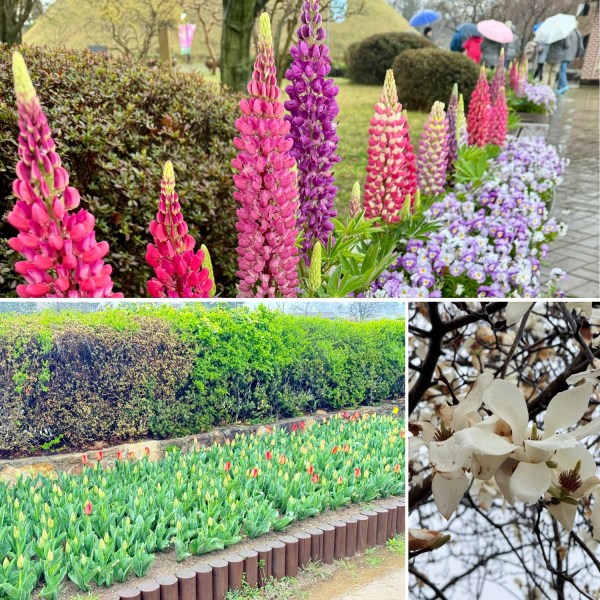
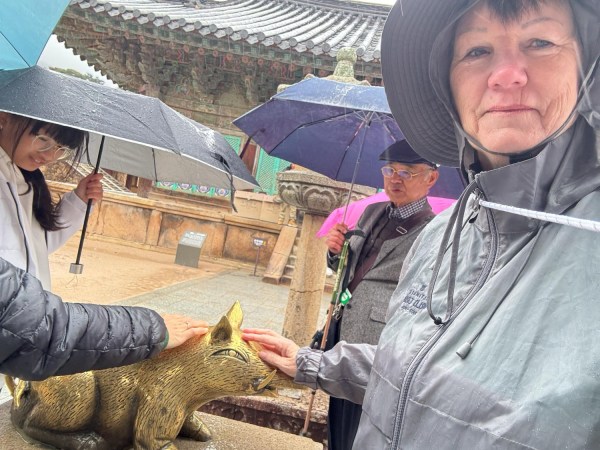
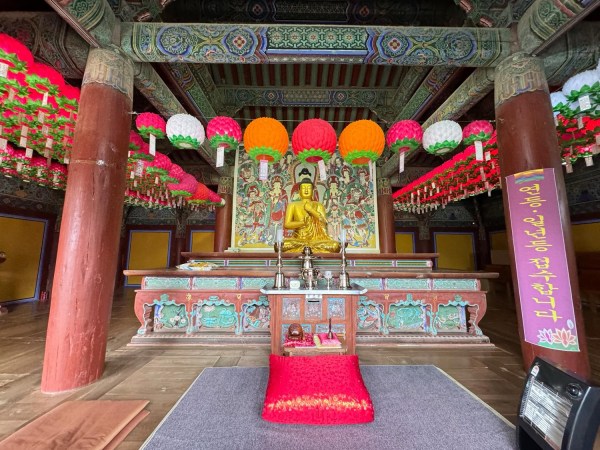
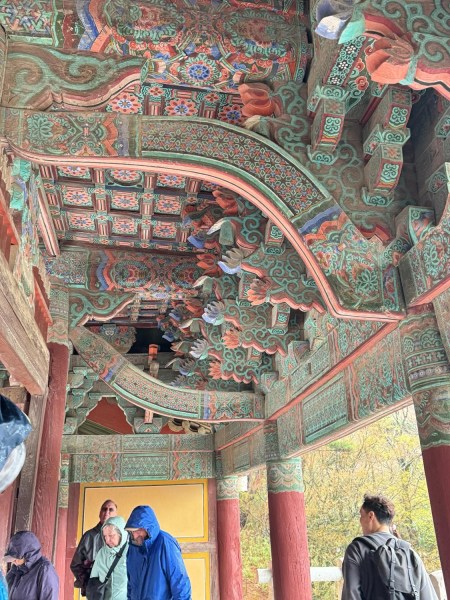
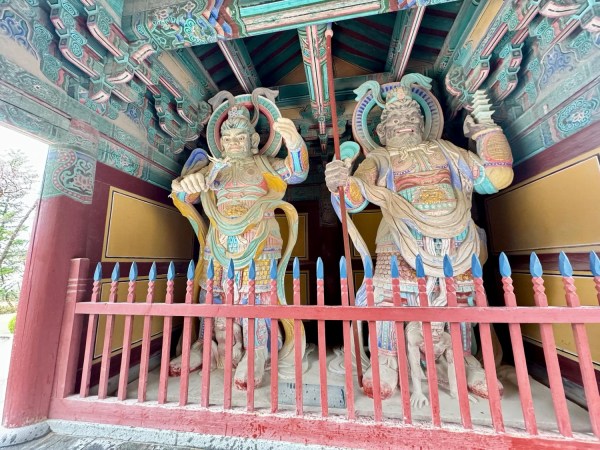
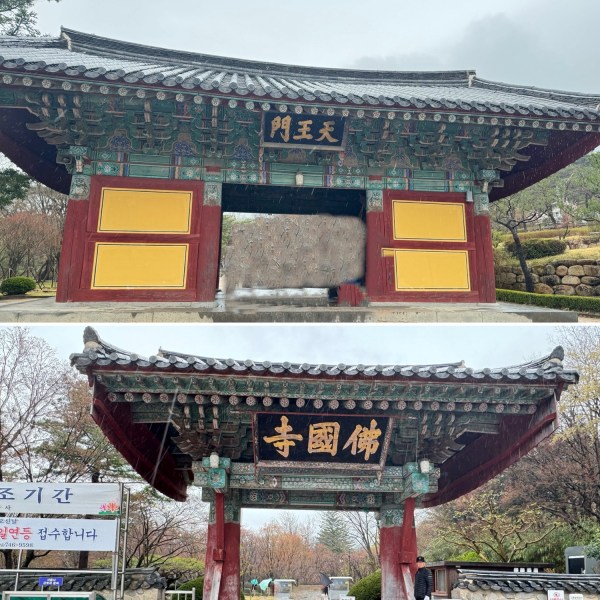
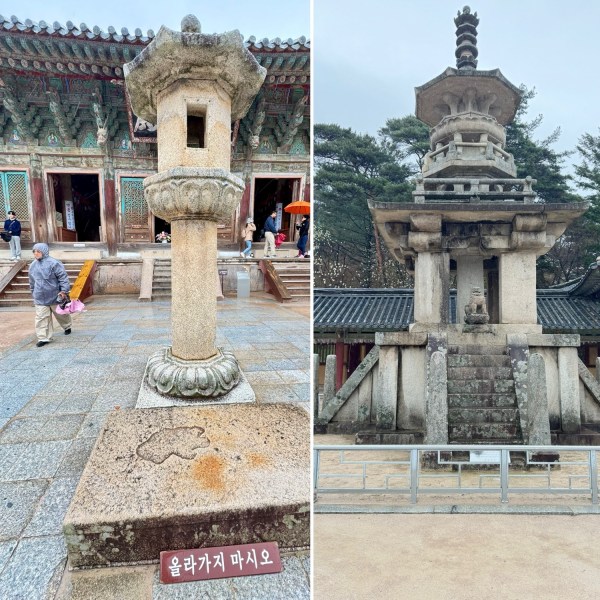
Our final stop was at the huge Bulguksa Temple. This UNESCO World Heritage Site is a masterpiece of Buddhist architecture, dating back to the 8th century. As we wandered through the many courtyards and admired the amazing sculptures, we tried to learn as much as we could about this temple and how it was different from all the others we had seen. It was a very large temple and had lots of color and flags around. We even pet the golden pig for good luck.
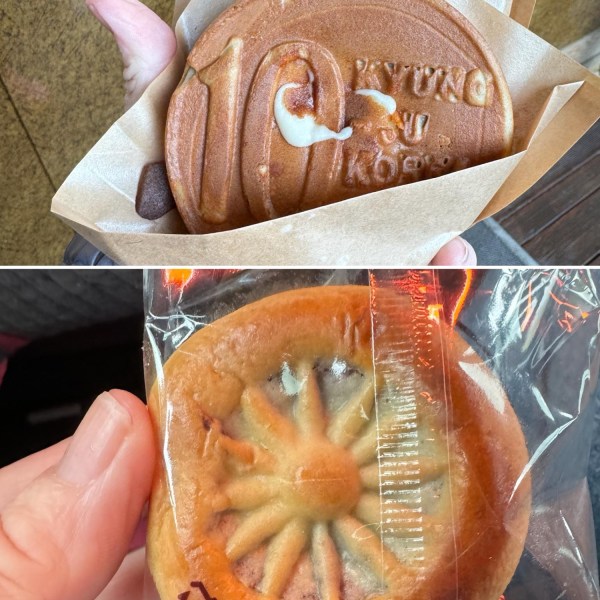
For lunch we had some hot coffee to warm us up and a round sandwich made with a sweet bread (tasted like sweet Hawaiian bread) and filled with mozzarella cheese. It was really good. It was even traditionally stamped with the 10 cent coin replica.
Back at the port, it was getting dark and believe it or not, the rain was still ongoing but down to a mist. We were able to take some beautiful photos of the city as it glowed.
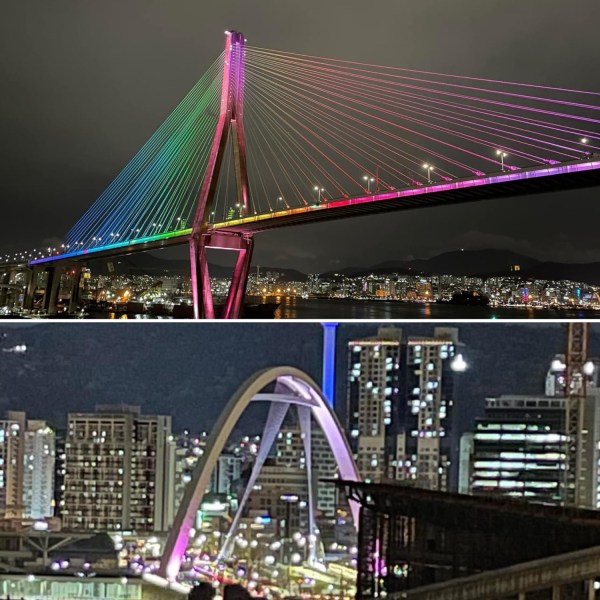
We were impressed by the Busan Harbor Bridge. Completed in 2014, this suspension bridge connects the districts of Yeongdo and Nam. The bridge’s design is both functional and aesthetically pleasing, and at night, it transforms into a dazzling spectacle with its colorful illumination.


We will be in Jeju Island, South Korea tomorrow. Heres hoping for better weather or at least dressing warmer and into something that will keep us dry. What a day!


I’ll miss you Aunt Peatie. Give my mom a hug for me in heaven! 💔

May God Bless you always!
Chuck & Lea Ann
 WorldTravelReynolds