A short trip from Ishigaki, we are now in Okinawa, Japan. Here we have planned more Buddhist temples and yes, they are all starting to look the same. But, at the time of our planning over a year ago, we were very excited about something new.
Okinawa was a very warm day and we love walking around in the sun, although the rocky pavement and difficult stairs are hard on Chuck. He’s done very well though. Lots of ice packs at night, a good nights rest and he is ready for the next day. He is doing much better than I am.
I gave you a little bit of history about the Ryukyu tribe in an earlier post, to expand on that a little……

While mainland Japan underwent unification and power struggles during this period, Okinawa carved its own path.
In 1429 – 1879 the three main island kingdoms of Okinawa unify under King Sho Hashi, forming the Ryukyu Kingdom.
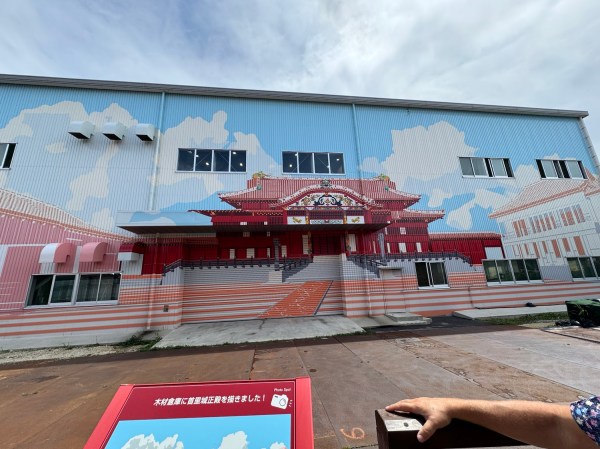
. Behind the walls of the building, the rebuilding has begun.
It thrived as a key trade intermediary between China, Japan, and Southeast Asia.
The Ryukyu Kingdom became a tributary state of both China and Japan, navigating a delicate diplomatic balance.
In 1609-1879 Japan’s powerful Tokugawa Shogunate invades Okinawa after decades of simmering tensions. The Ryukyu Kingdom retains a degree of autonomy but becomes increasingly under Japanese influence.
The Ryukyu Kingdom continues to engage in trade with China while maintaining loyalty to the Tokugawa Shogunate.

In 1879-1945 – The Meiji Restoration in Japan leads to a more aggressive foreign policy. Okinawa is formally annexed by Japan, ending its independence.
The Japanese government implements policies aimed at assimilating Okinawans into mainstream Japanese culture.
Okinawa becomes a key strategic base for Japan during World War II. The Battle of Okinawa in 1945 is one of the bloodiest in the Pacific War, with devastating consequences for the island and its people.
While Okinawa became fully integrated into Japan after the war, its unique cultural identity remains strong. The devastating effects of World War II and the ongoing presence of U.S. military bases (13 in all plus 48 training sites) continue to shape the island’s present and future.
So there you have it, Okinawa/Japan in a nutshell.
Our first stop, you guessed it, a Buddhist temple.

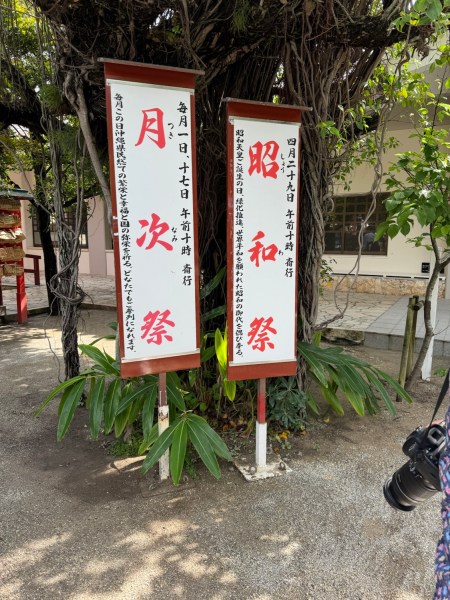
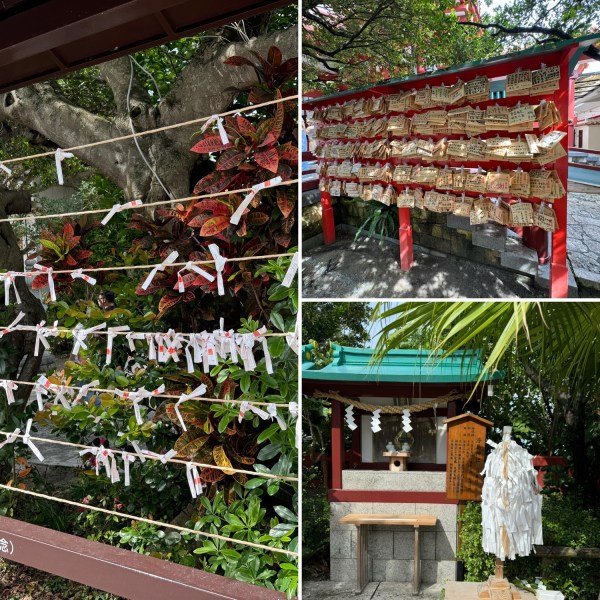
The Naminoue Shrine itself wasn’t flamboyant, but its simplicity was noted. The main building (honden) reflected the traditional Ryukyuan architectural style. Here, we washed our hands and our mouths to cleanse inside and out before entering the temple. After cleansing, you go to a different area and make a donation then bow twice, clap twice and bow once. Then you offer a silent prayer.

Originally a sacred place (utaki) dedicated to the Ryukyuan concept of Nirai Kanai, it has been admired by locals for generations. Sailors seeking safe voyages, fishermen hoping for bountiful catches, and farmers praying for a prosperous harvest all found solace here for centuries.
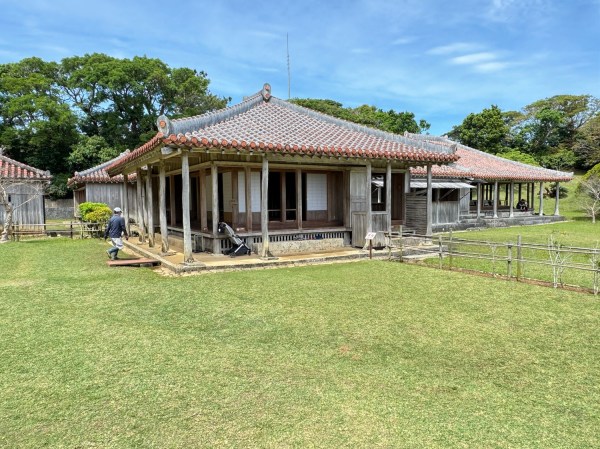
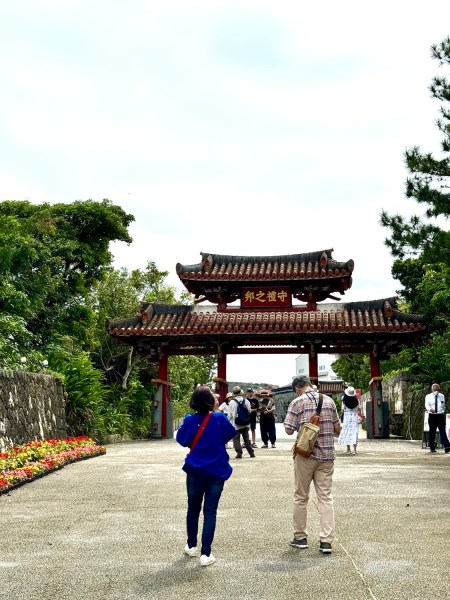
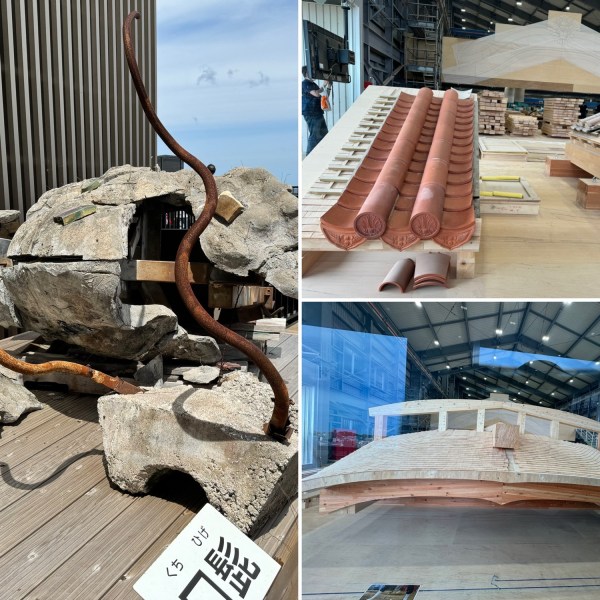
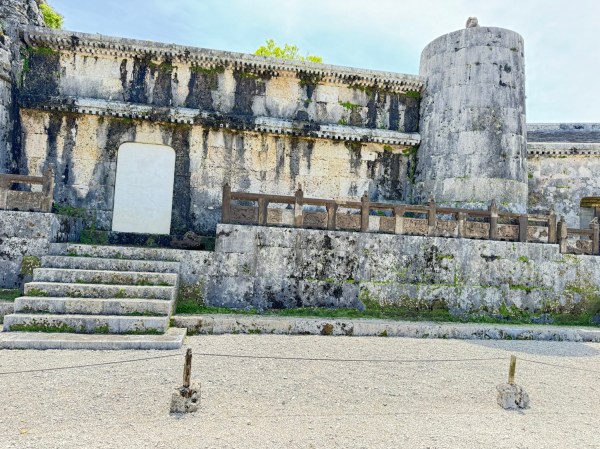
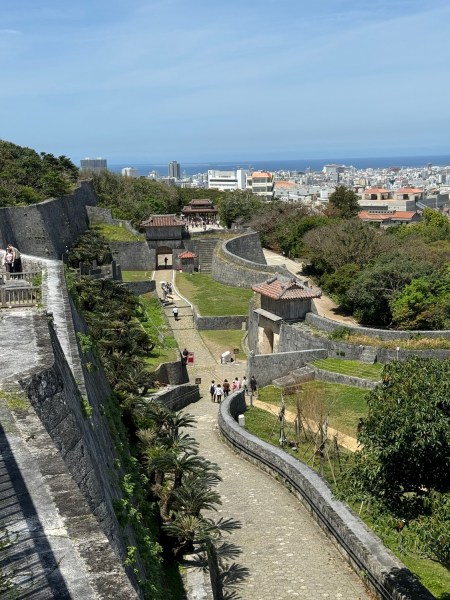
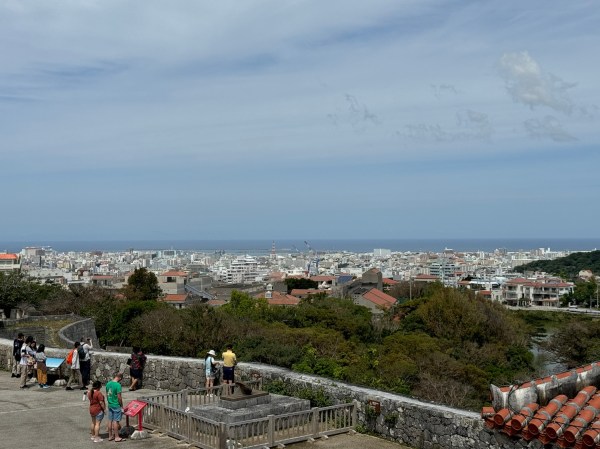
The Shirijo Castle, a UNESCO World heritage site, wasn’t quite ready for viewing. There was a fire that destroyed most of the castle so what we saw was the rebuilding behind glass. The castle caught fire for the 5th time in 2019. This was devastating news to Okinawa and Japan. The castle served as a powerful symbol of Okinawan identity and the Ryukyu Kingdom’s rich history. The castle was in a park very high up so the views of Okinawa were beautiful. We were however, able to see the Royal Tamaudun mausoleum, the bodies of the kings and queens buried here.
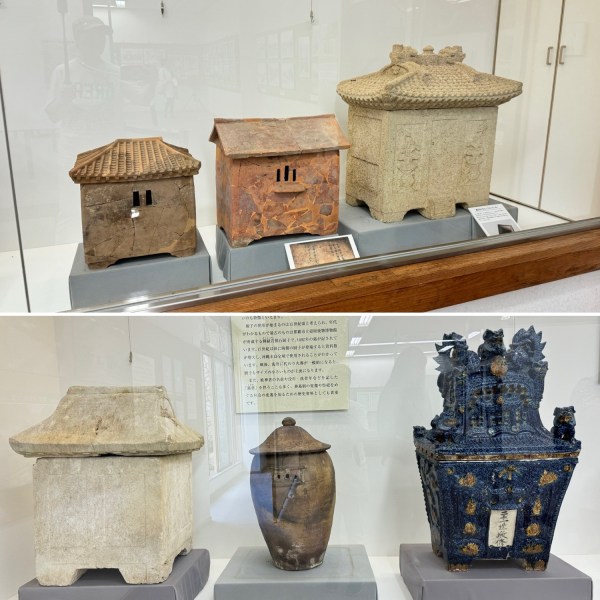
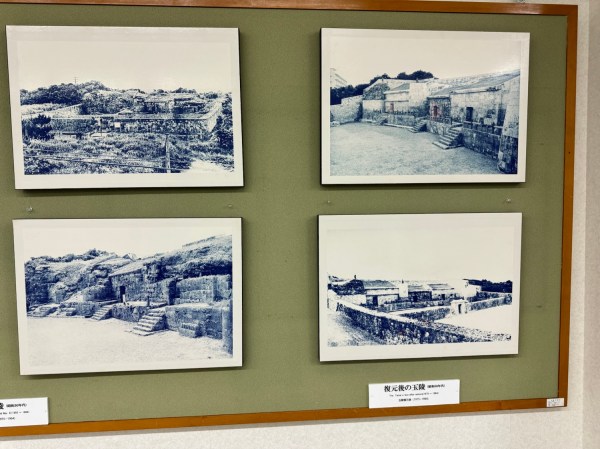
We visited a museum that educated us on their burial rituals and customs. Much of this in photos in the museum.
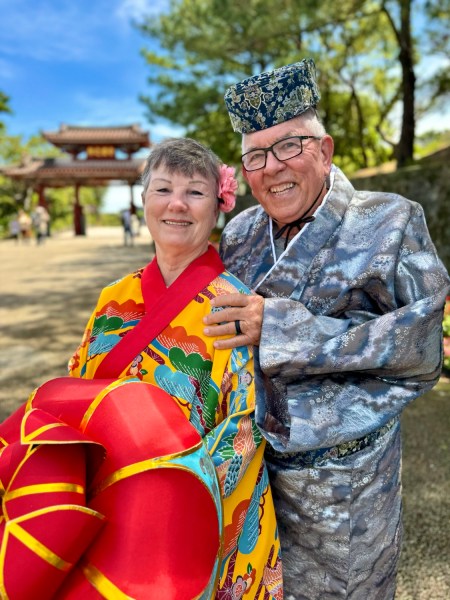
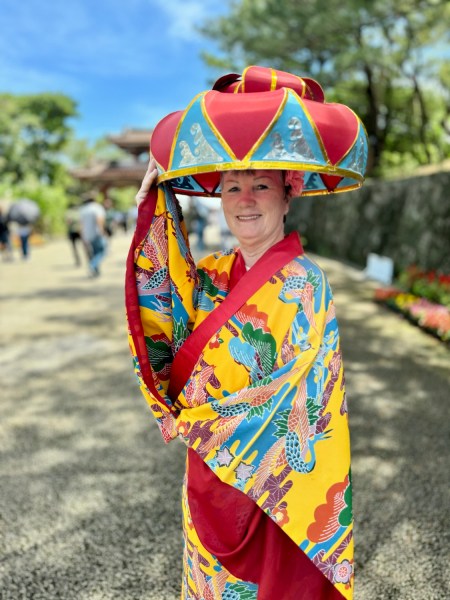
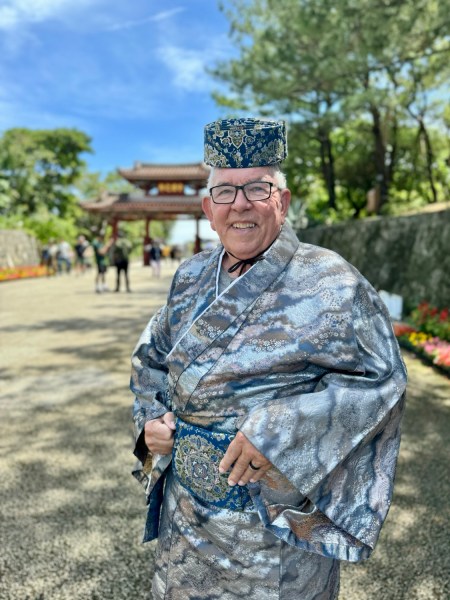
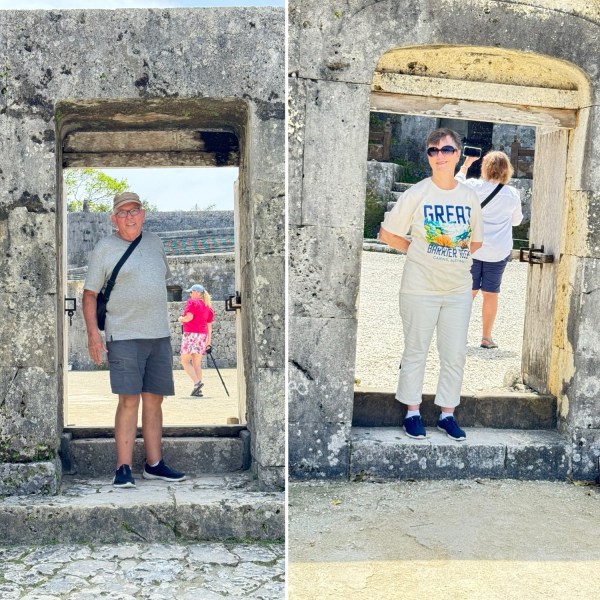
Before we left this area Chuck and I dressed up in traditional wear for the Japanese royalty. It was surreal to wear their traditional dress.
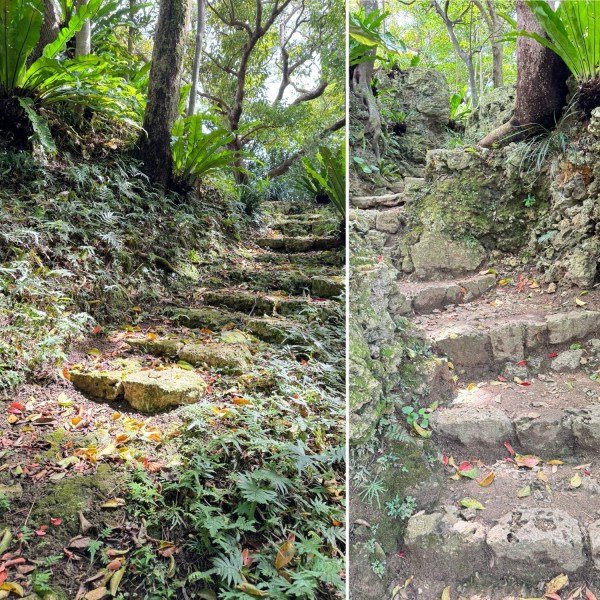
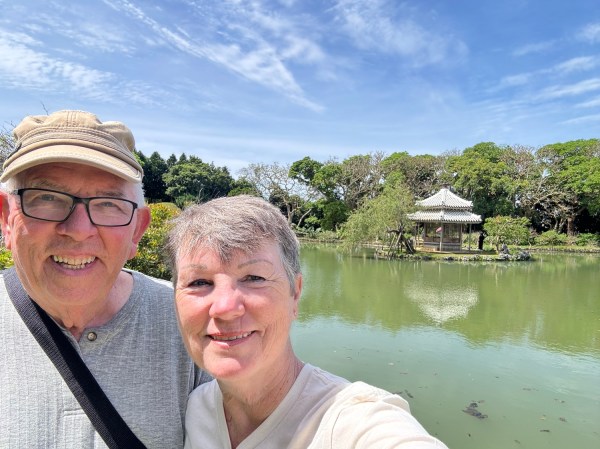
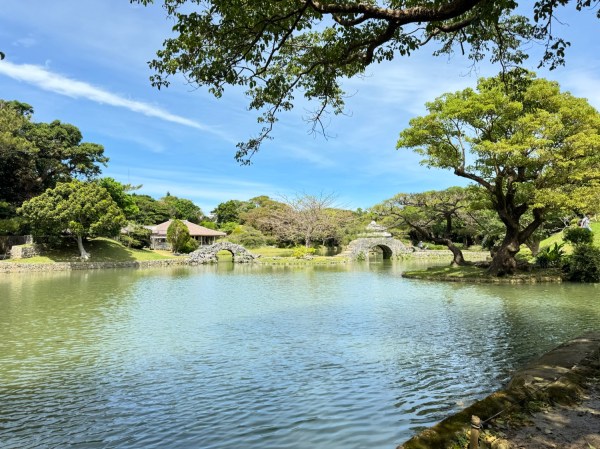
The next park, Shakina park was a traditional Japanese garden. The still waters and Japanese monuments were beautiful but the uneven steps were a little tough to navigate.
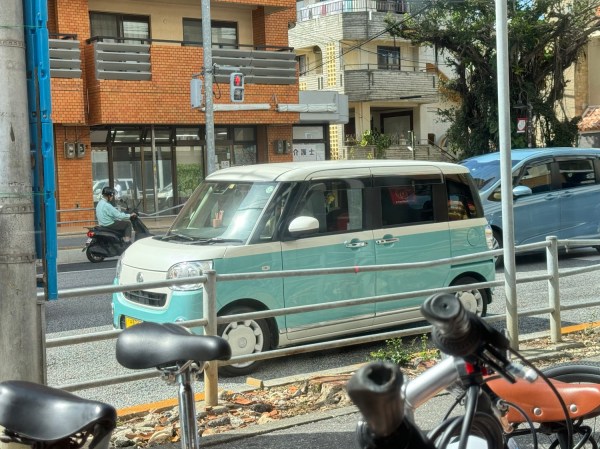
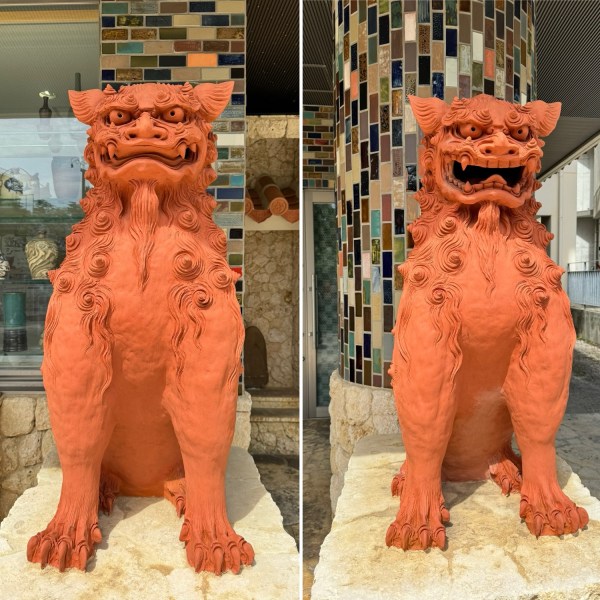
In the afternoon we strolled down Tuboya Yachimun Pottery Street. It was like entering an artist’s haven. Shops lined both sides, overflowing with unique Yachimun pottery. Such different colors, designs and unique textures of each piece was so interesting that we bought a couple for souvenirs. A McDonalds was at the end of the street so we popped in for a much needed Coke Zero and some salty French fries.

Our day finished and we are exhausted. We get a days rest at sea tomorrow as we head to South Korea. The weather doesn’t look good as lighting strikes outside our window and the cooler air rolling in. Will need to pull out some warm clothing for the next several days.
May God bless you always!
Chuck and Lea Ann
 WorldTravelReynolds
Chuck you look like the Top Shogun with his Princess Lea Ann!!
LikeLiked by 1 person