
Not a good day to wake up ill. However Chuck took one for the team and he went to learn all he could about Arica Chile and did his best to fill me in. I was much better in about 24 hours so thankful it wasn’t going to ruin my trip to Machu Picchu.

Arica is considered the “driest city in the world”. Annual rainfall here is .03″ (.76 mm) thanks to the city’s proximity to the Altacama Desert. It’s believed that there are parts of this wilderness that have never received a drop of rain, as well as places that have no life, not even on a cellular level. That, my friends, is dry!

Luckily for us Arica is also called “The City of Eternal Spring”, the temperatures are always pleasant here, and the sea is supposed to be warm enough to swim in.


The city was founded in 1541 on the site of a pre-Columbian settlement and was originally called Villa de San Marcos de Arica, sure glad they shortened that one. It was a major port during the time of Spanish colonial rule, being the primary export point during the 16th and 17th centuries for the largest silver mine in the Spanish Empire, along with other products from the interior.
So if you are interested in history here’s a little. After K learning the city had actually been seized from Peru in 1880 during the War of the Pacific. Don’t confuse this war with the WW2 War in the pacific because they are two totally different things in totally different time periods.

Condensed version starts with the fact that in 1879 the national borders in this part of the world were vastly different, with Peru reaching down past Arica, and Bolivia reaching all the way to the Pacific coast, having 250 mi (400 km) of shoreline. In the War of the Pacific, Chile went to war with a Bolivia/Peru alliance over taxes and the nitrate mines (including guano) in the Altacama. Chile quickly won the first naval battles, then the land battles, first seizing Arica and eventually occupying Lima by early 1881. It took until October of 1883 to sign a treaty and to end the guerrilla battles with the Peruvians, then finally brokering a truce with Bolivia in 1884. As a result of the war and various compromises, Chile received all of Bolivia’s coastline, making that nation landlocked, plus retained Peru’s territory around Arica. It wasn’t until 1929 that all the border issues were finally resolved.
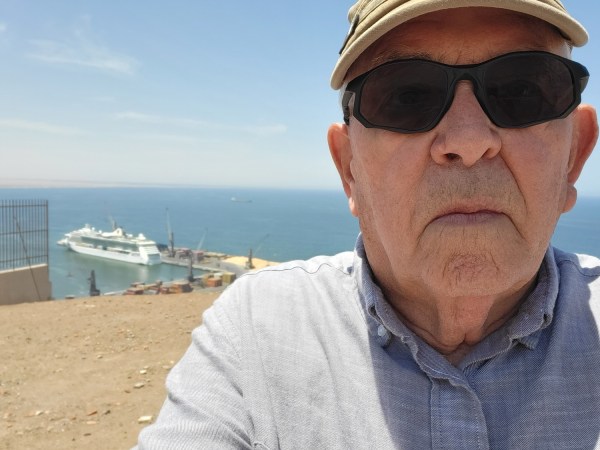

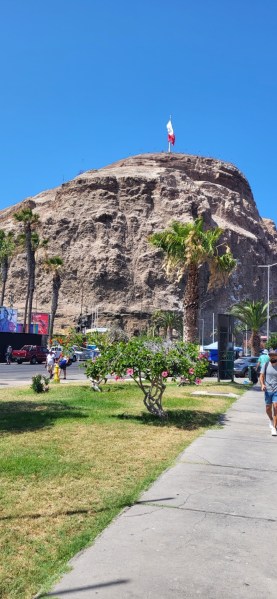
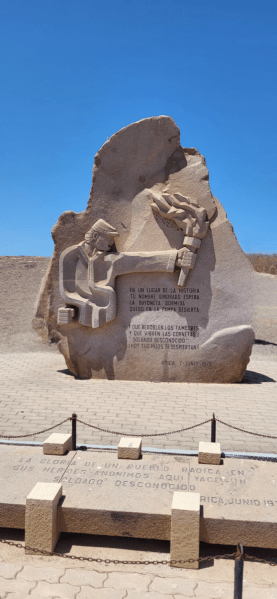
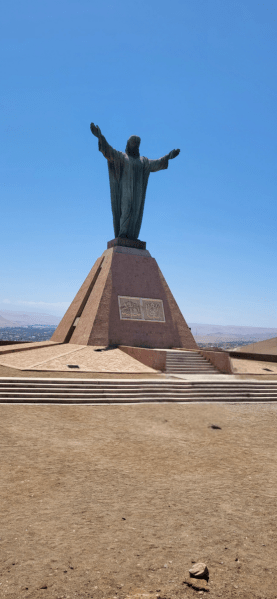
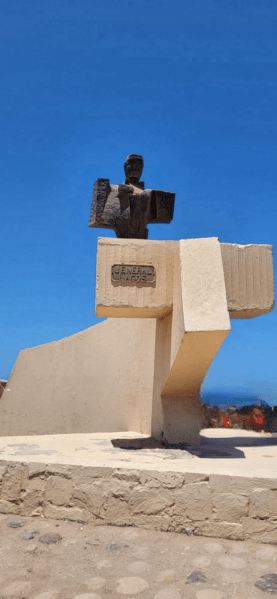
The landmark hill, El Morro, is the most easily recognizable feature of the city. At 427 ft (130 m) it has a walkway that starts at Colón Street that will take you to the top of this national monument. It was the site of the last Peruvian stronghold against the Chileans at the end of the War of the Pacific and the site of much bloodshed. The military museum, Museo Histórico de Armas, atop the hill, as well as see the Tomb of the Unknown Soldier, the large Cristo de la Paz statue.

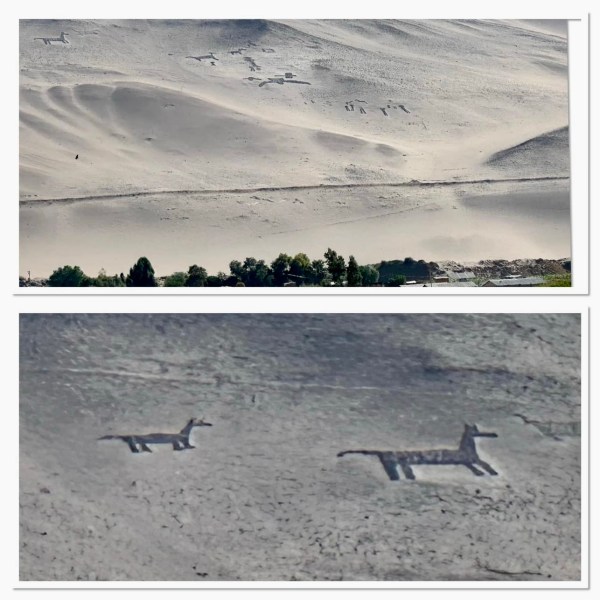
Here you can see ancient geoglyphs on the hillsides, which are handmade features created by adding or removing stones to create a design, quite a few here look like llamas.
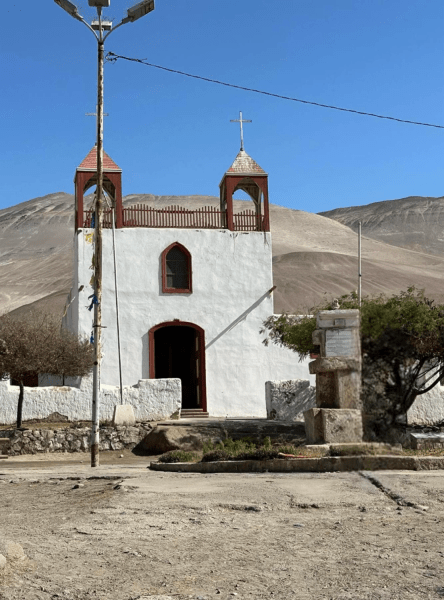
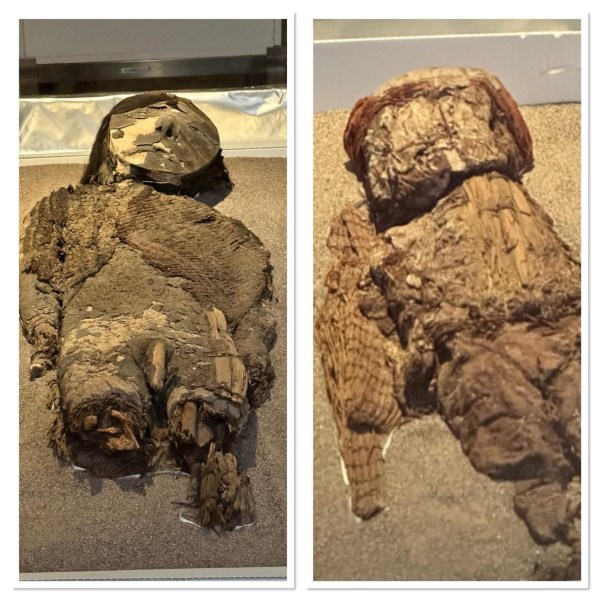
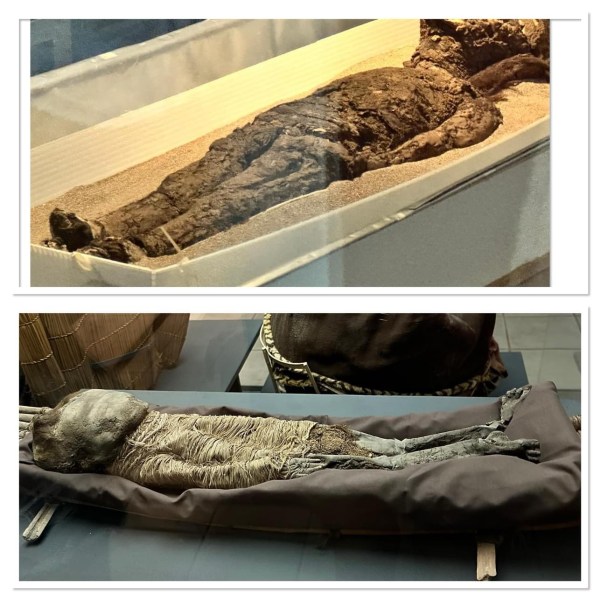
Also in the valley is the Archeological Museum of San Miguel of Azapa where the highlights are four Chinchorro mummies, some of the world’s oldest. The Chinchorro people lived in the extremes of the coastal desert from 5450 BC to 890 BC and were the first people to mummify their dead. Move over Egyptians! In the museum you can learn about 10,000 years of human development as you peruse the 20,000 archaeological pieces that include, among other things, jewelry, weapons and tools.

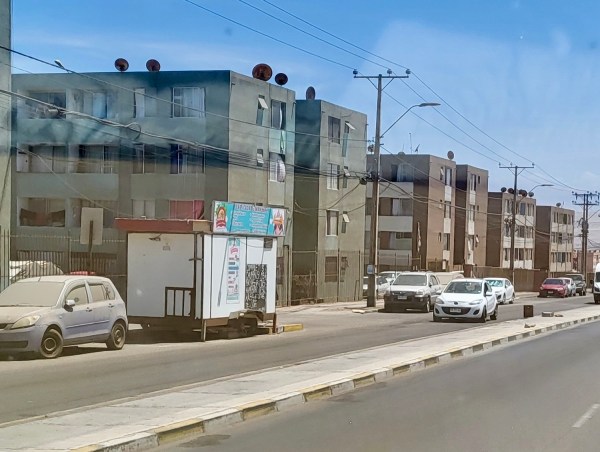
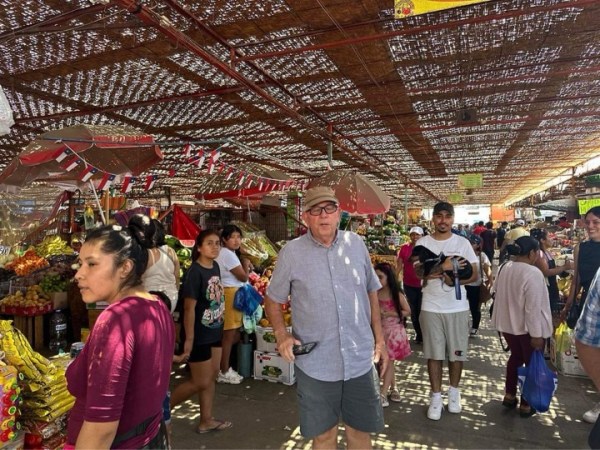
I’m sorry I had to do third party experience but at least we got some great photos from Chuck and some friends.

He had a good day with some Chilean food and from what I heard more than his fair share of Pisco sours!
We will be arriving in Peru day after tomorrow. Very excited.

May God bless you always!
Chuck & Lea Ann
 WorldTravelReynolds