
Our port is listed as La Serena but the dock is actually in the city of Coquimbo, which is around 15 km (9 mi) away from La Serena, however, Coquimbo is part of La Serena and La Serena is in Coquimbo, region that is, how’s that for confusing?
I’ll give you just a bit about Coquimbo which became important as a port around 1840 thanks to the gold and copper industry, however it wasn’t recognized as a town until 1879. You may be surprised to hear that somewhere in town is a statue of Sir Francis Drake, erected because he purportedly stopped at this future city site during his journey around the world.
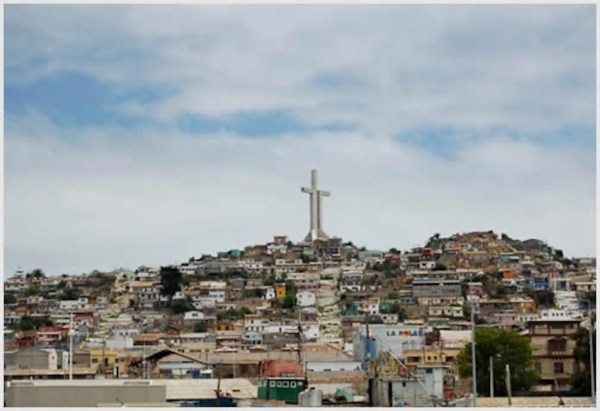
Remember the ship, The Beagle ? It stopped in here with Charles Darwin as well, he noted that there was nothing remarkable about the town except for the quiet. There is actually a British quarter in the city from when there was an influx of employees for the British mining companies that prospered here in the 19th century, nothing to see in that area now except for the view we’ll get of colorful houses that climb the hill above the port. We’ll definitely be able to see the gigantic landmark of Coquimbo, the Cruz del Tercer Milenio, an 83 m (272 ft) tall cross that stands above the city.
Now on to La Serena, the second oldest city in Chile, which is known for its colonial architecture, beautiful gardens, beaches, and multitude of churches, around twenty-nine of them. The latter fact has led it to be nicknamed the “City of Churches” or “City of Belfries”.
Our tour went a bit further from both Coquimbo and La Serena out to the Elqui Valley on the edge the Altacama Desert.
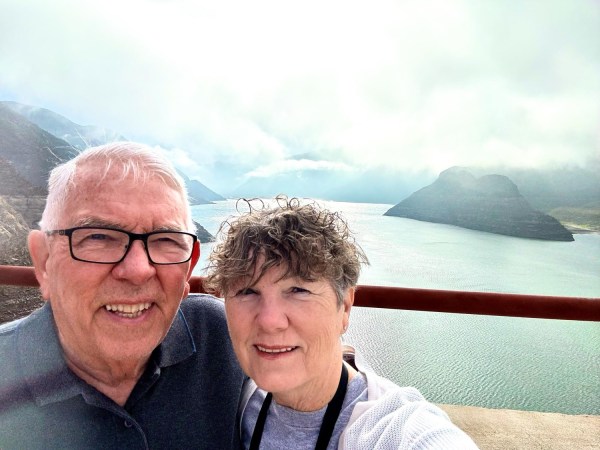
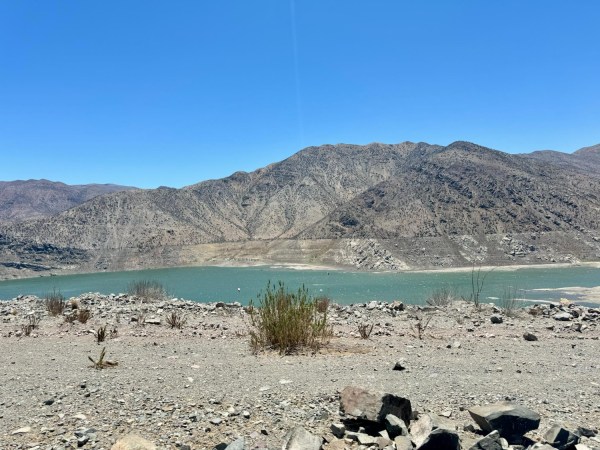
Our days started out very cool sweater weather but needed the A/C in full swing upon our return to the port. Our first stop was the dam in Elqui Valley. It was very low today as they are in need of rain. It was cold up on top too! However the view was spectacular aside from the blinding early morning sun. We stopped for a cup of coffee to warm us up.
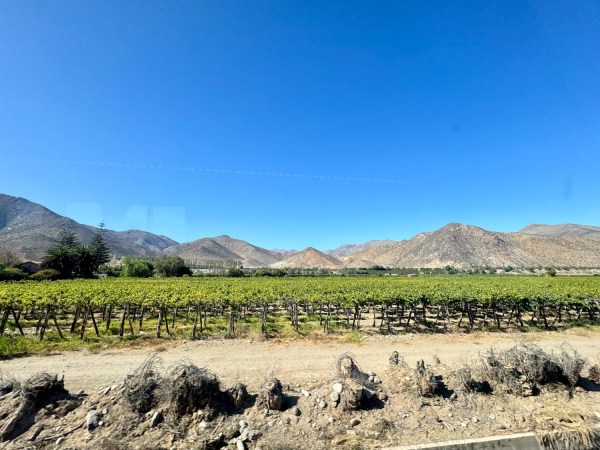
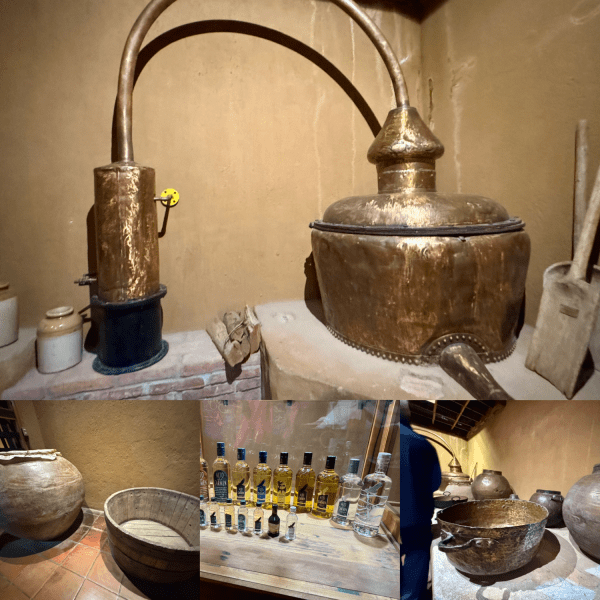
La Serena It’s probably most famous for its vineyards where the grapes are grown for making pisco, a traditional Chilean grape brandy.
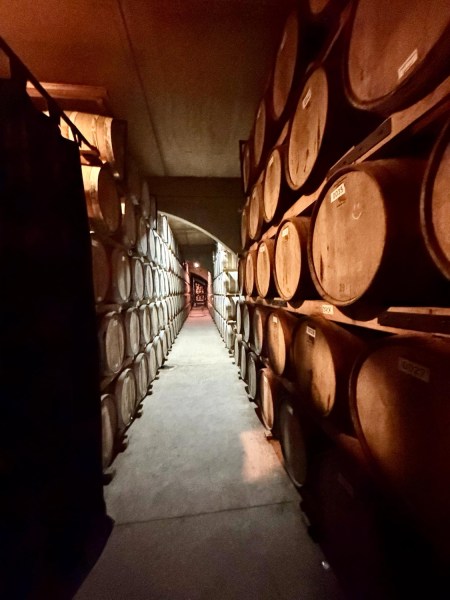
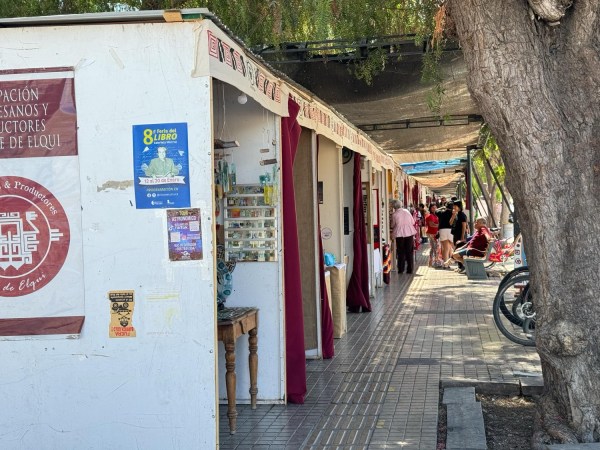
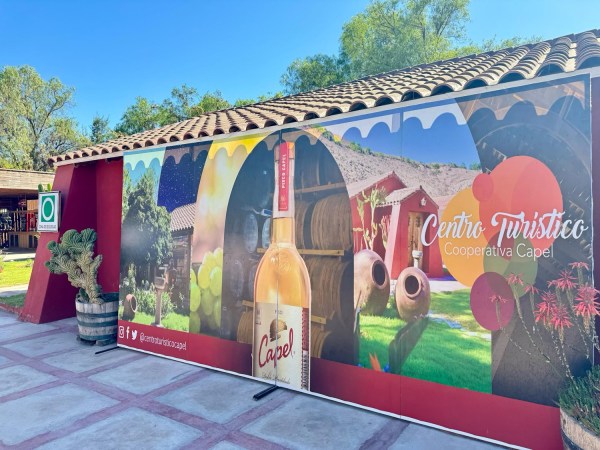
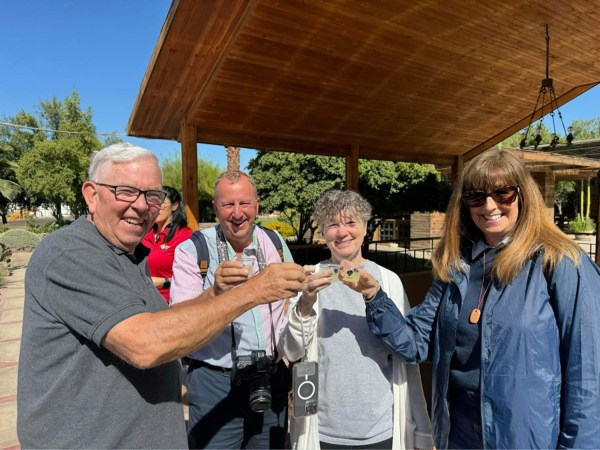
Touring The pisco distillery was very interesting. We toured the cellar as well as learned the history of how pisco was made. As you walked down into the cellar the immediate aroma was grapes. It smelled so good! There were 4000 barrels of 7 different types of pisco liqueur in this cellar. It was really beautiful. The liqueur is 40% alcohol and some of the brands take up to 7 years until ready. Only 5% of Pisco is exported to the US so we decided to purchase a bottle for $12 and bring it back with us. Tjeyna re infamous for the pisco sour. 2 parts liquor/1 part lemon juice/1 part simple syrup.
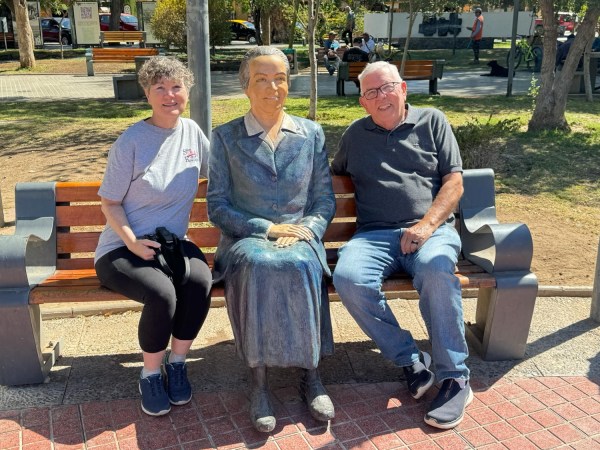
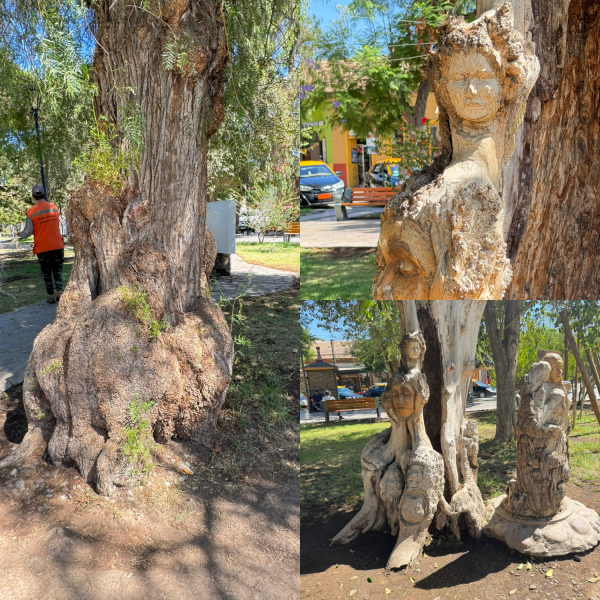
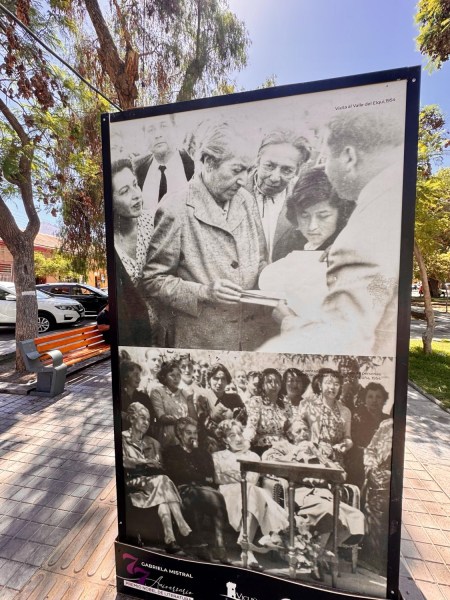
Before heading to lunch we stopped at the plaza de Armas de La Serena. This city park has so much to do. From admiring sculptures with water fountains to ones made in trees and churches and beautiful red wooden buildings. We strolled around and admired the cute square and bought a couple of magnets to add to our collection. The most important part of La Serena is that it’s the birthplace of Gabriela Mistral, the first Latin American woman to win the Nobel Prize in Literature. A large row of storyboards along the park talked about her work and accomplishments.
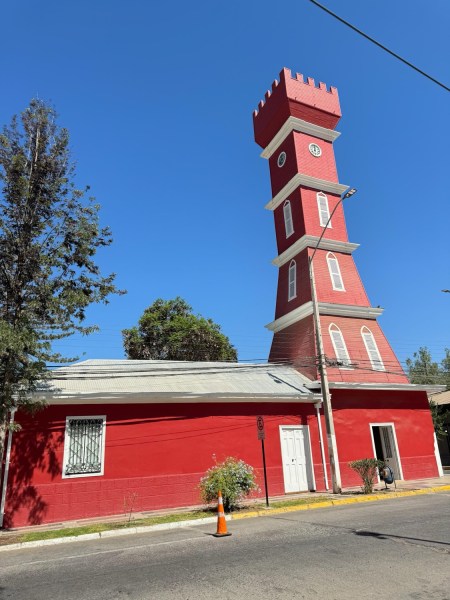

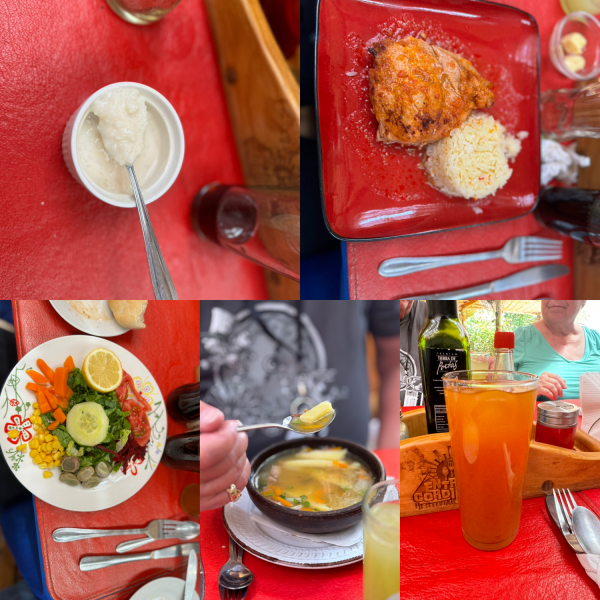
Our last stop was for an amazing traditional lunch dish at a local restaurant. There is a soup here that is very traditional called Locro. The taste wasn’t bad. We also had a pork dish that was so tender it melted in your mouth. The seasoning was good but I had to add some salt. We topped it off with rice pudding. Probably skipping dinner tonight.
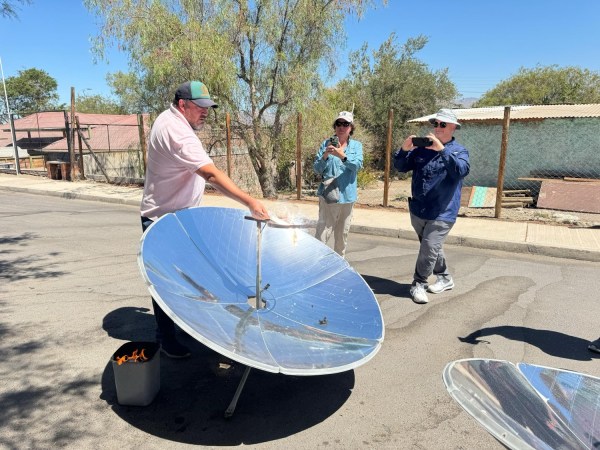
The other interesting thing we learned about this spot is that there are several astronomical observatories here as it is one of the world’s darkest places at night. It has been designated as the world’s first International Dark Sky Sanctuary in an effort to protect the integrity of the natural night sky. Such a designation goes only to rare and fragile dark places left on earth.

Our tour started off a little slow but finished with a bang. The young tour guide from Chile had spent some time in Richmond Virginia when she was a Girl Scout. Small world!
We have a relaxed sea day planned tomorrow and then our next stop is in Arica, our last stop in Chile.
May God bless you always!
Chuck and Lea Ann
 WorldTravelReynolds