Today we arrived bright and early to a city that’s known as the “Jewel of the Pacific”
The glory days for this port are in the past but it is still a UNESCO World Heritage Site, earning that designation because of its history, the late 19th century architecture found here, and its cultural diversity. It was a place that many English, German, French, Italian and Yugoslavian immigrants made home during its heyday, as well, of course, as the Spanish who had been here for centuries.

The locals call their city “Valpo”, and it’s also been called “Little San Francisco” for the dozens of hills that surround its bay, with colorful houses dotting the hillsides. The original inhabitants in this part of Chile were the Chango Indians, who anchored the southern end of the Inca Empire. Around 1536 conquistador Juan De Saavedra named the city here after the one where he was born and the Spanish settlement began.
Valparaiso was one of the most important merchant ports on the Pacific coast sea routes during the 1800s and early 20th century since the harbor could handle large ships. Chile’s first banks and stock market were created here, as well as the country’s first public library. Multiple times the city has been partially or mostly destroyed by the earthquakes that this area is prone to, especially in August of 1906 when an estimated 8.2 magnitude quake caused mass destruction.
The city went into decline after the opening of the Panama Canal and continued to slide until the 1990s when a grass roots effort restored the ailing funiculars and shabby homes were painted bright colors once again to help it look like the charming port of old.
Ascensores are the Spanish name for the funiculars that ply the hills and are the city’s trademark feature. There were thirty of them built between 1883 and 1916 and of those there are fifteen still in use. We saw some of the funiculars while touring the city but with a moving bus couldn’t get a good photo. The houses climb the mountainside and these devices are elevators to get between homes. Ok, so there your history lesson for today. Let’s get on to the fun stuff!

Our main focus here is the Alpaca farm located in LLAY LLAY, pronounced YA YA. It was about an hour from the port so we got our history lesson on the way there. Our tour guide was really good. His mom is Chilean but his dad is American so he spoke both languages fluently with the choppy accent.
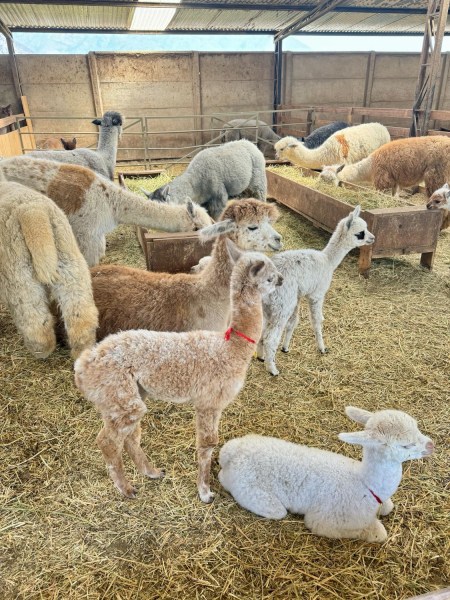
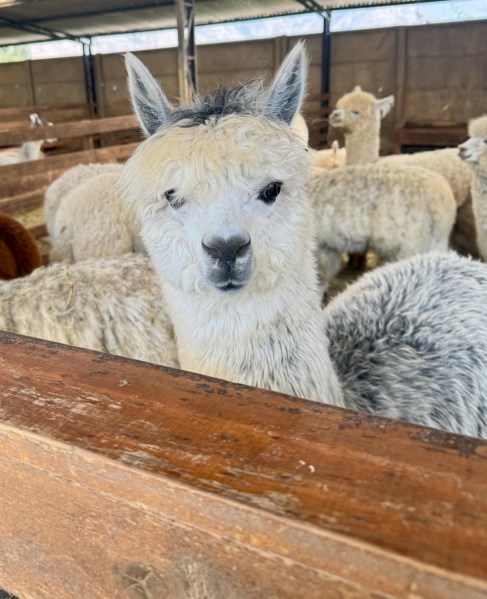
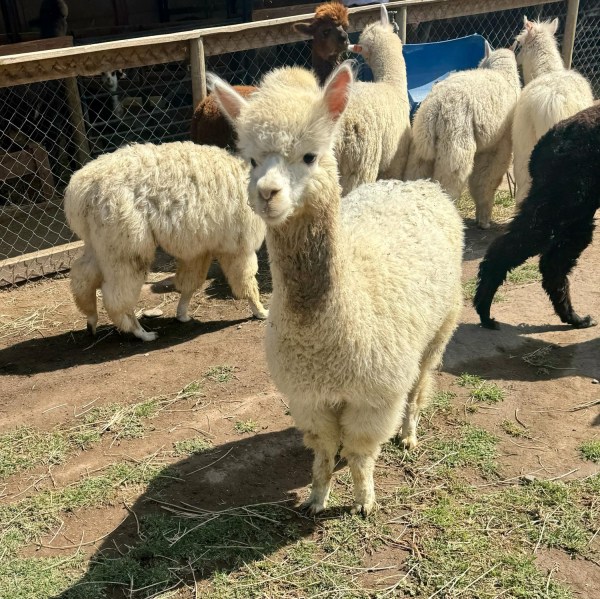
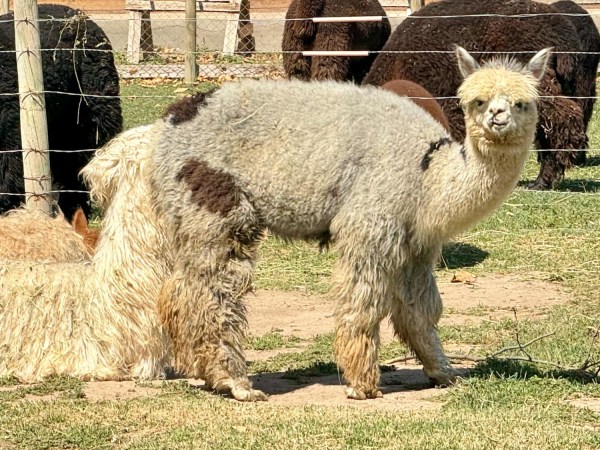
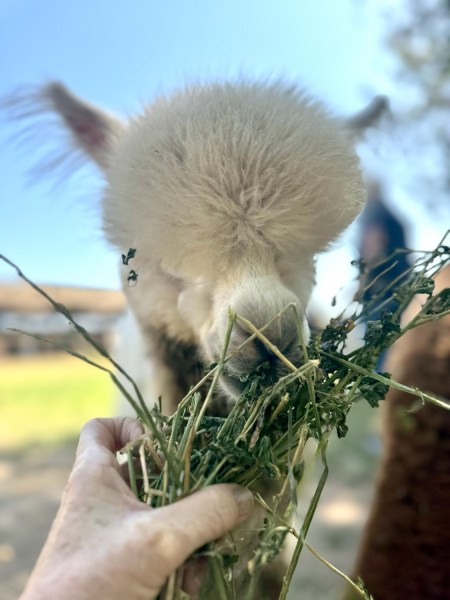
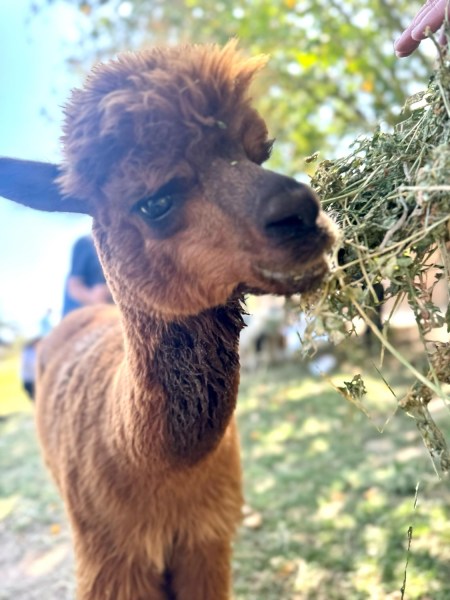
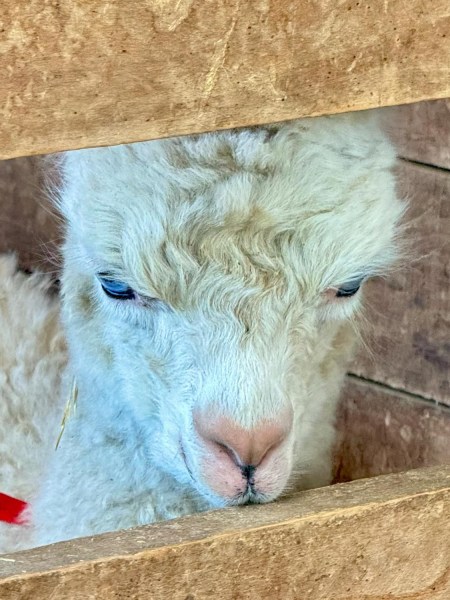
After arriving at one of the two 5 acre farms, we were greeted with a beautiful ranch with about 1400 alpacas between the two ranches. These are the calmest and most adorable animals. They do spit at you if they become agitated. Just as you would with horses, watch the ears. You need about 5 or more feet to be out of range. We fed them some hay, talked to them and even held the young ones. The youngest was 2 days old. She wasn’t named yet so we named her after or ship. Serenade.
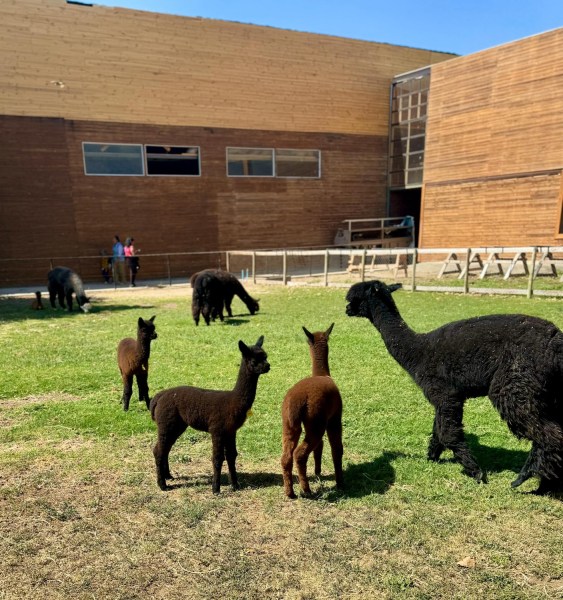
There are 26 natural colors and the fibre/wool is waterproof. The rarest color is jet black. These can be worth millions.
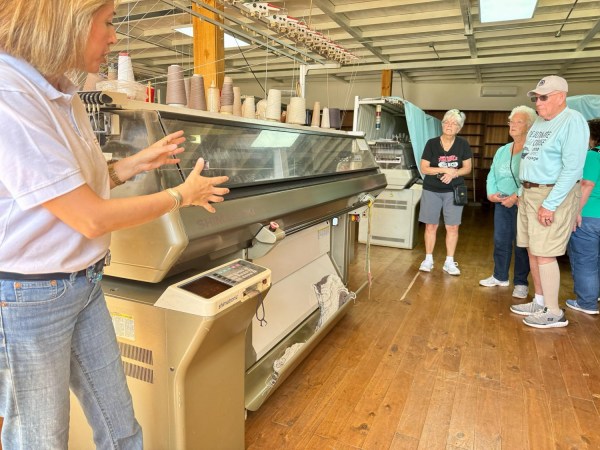
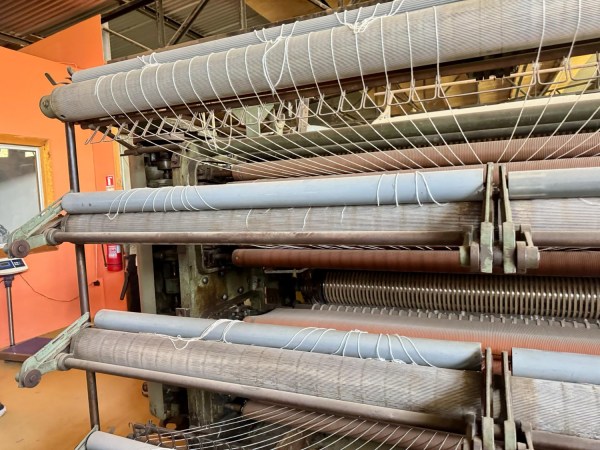
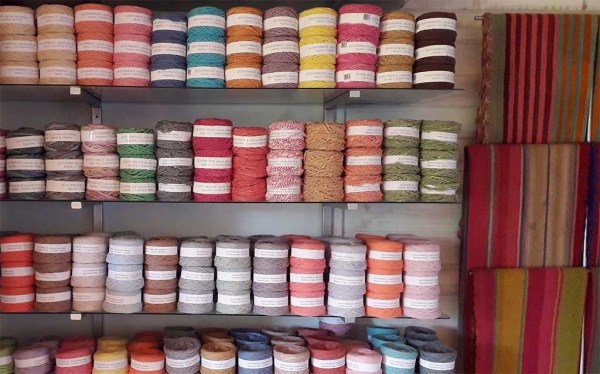
We walked through the farm and factory. The entire operation is here from breading and sheering to making the sweaters or yarn for sale in their local boutique shop. And of course I had to buy some for a future sweater or shawl.

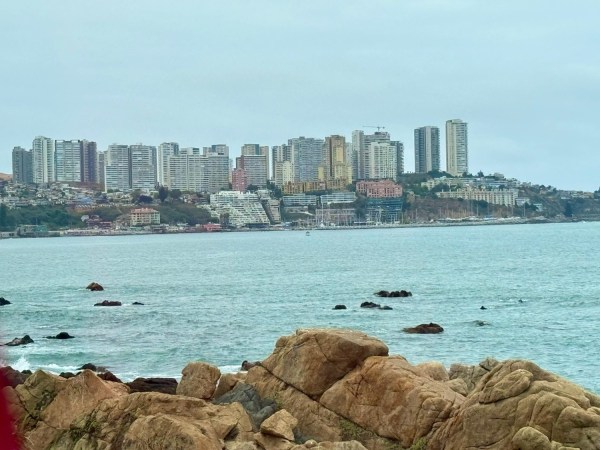
After leaving the farm we drove around the coast line of Chile and saw some very nice high rises which we an average 2 bedroom condos at $200,000 USD in value. Not bad for a condo on the beach.
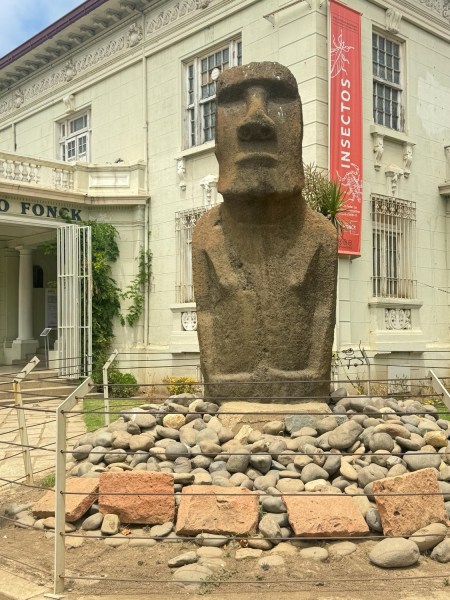
Valparaiso is part of Easter island or vice versa. We were able to visit a medium sized sculpture that was moved to the museum here. The island itself is too far for us to visit. The sculptures were made from volcanic rock during the 10th – 16th centuries.
Our guide provided box lunches. Ham and cheese with Chilean bread. Very good. I didn’t care much for the chips, Artesian potato chips. And topped it off with Chilean chocolate. Yum!
Another great day! Tomorrow we are in La Serena Chile

May God bless you always!
Chuck and Lea Ann
 WorldTravelReynolds