
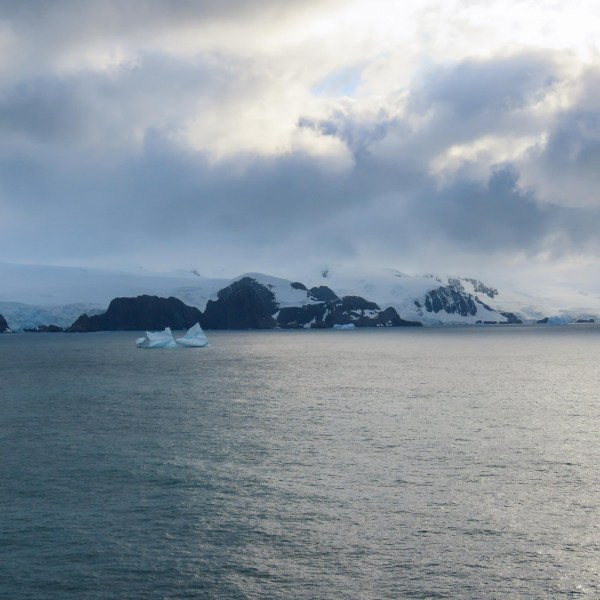
Today’s our last of the scenic cruising through the Antarctic Peninsula and it’s still cold! But it’s also still beautiful.

I have been watching the news and chatting with family on how bitter cold it is in the states. It’s even colder there than here. Our lowest was around 25-28 degrees Fahrenheit. But that was in the middle of the night when I was safely tucked into my warm bed. It hovered around 32 for the last couple of days.
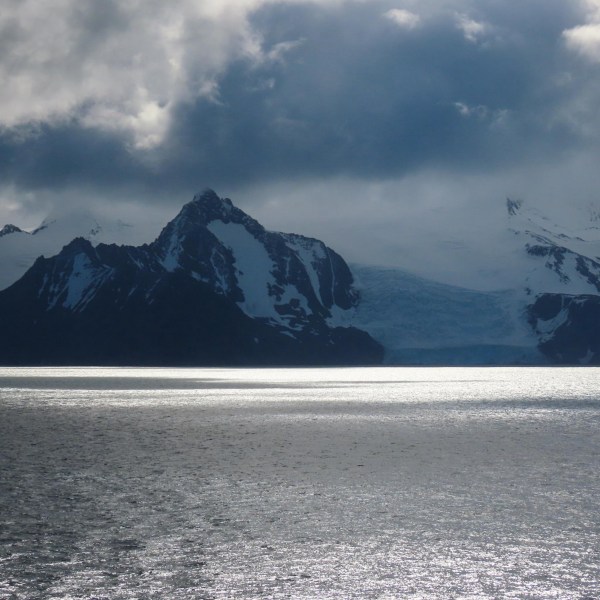
So, let talk about Elephant island. Have you wondered where the Island got its name? Obviously it’s not because there are pachyderms found here! If you look at the map of the island below you should hopefully see an elephant-like shape, which is part of the reason for the name, the other is due to sightings of elephant seals here when the island was being mapped.
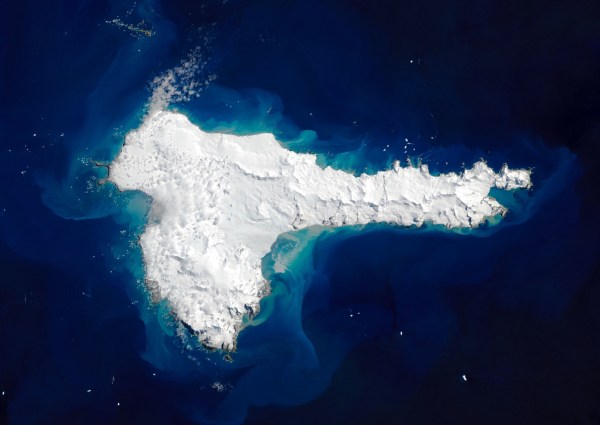
Elephant Island is located 150 mi (241 km) off the tip of the Antarctic Peninsula, in the outer reaches of the South Shetland Islands in the Southern Ocean. This mountainous and ice-covered island is considered one of the most desolate places on earth, no vegetation grows here.
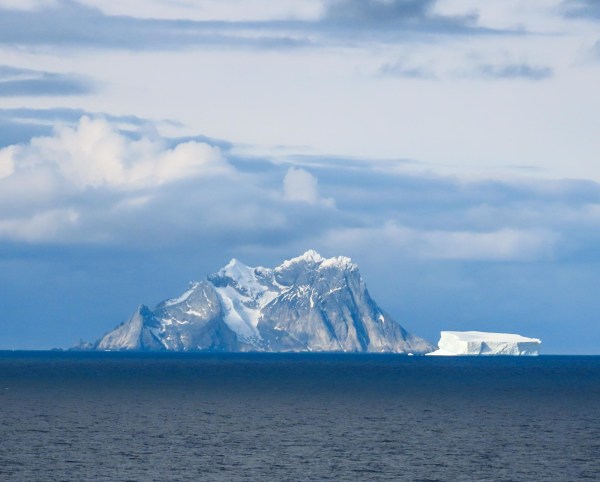
It was discovered in February of 1820 by the British Navy’s Edward Bransfield, but it was originally charted and put on a map in 1821 by the first Russian Antarctic expedition. These explorers named it Mordvinov Island in honor of a former Russian admiral and it’s still known by that name in Russia.
The captain gave us a history lesson on why Elephant Island is so important in history. Almost a hundred years ago, in 1916, Ernest Shackleton took his crew and ship Endurance into the Antarctic waters of the Weddell Sea and got frozen in place there. Once the ice melted the ship was so damaged it flooded and sank so Shackleton and his men loaded lifeboats and ended up taking refuge on Elephant Island. They were stranded there with little in the way of supplies, eventually making their way to a spot they called Point Wild that sheltered them from potential avalanches, rockfalls, and the sea. Knowing that no one would find them if they just passively waited for rescue, Shackleton took a few of his men in a lifeboat and they incredibly made their way 800 mi (1287 km) rowing to the northeast to get to South Georgia Island for help. After four and a half months he succeeded in returning to save his crew. There is now the Endurance Memorial Site, an Antarctic Historic Site, located at Point Wild. We watched this movie on Amazon Prime. It was a great documentary called “The Endurance” if you care to watch it, look for the version as told by Shackleton.
We tried to make it to the A23A iceberg but too far out. A23a is a large tabular iceberg which calved from the Filchner–Ronne Ice Shelf in 1986. It was then stuck on the sea bed for many years but then started moving in 2020. Its area is about 3,900 square kilometres (1,500 sq mi), which made it one of the largest icebergs in the world. Maybe next time!

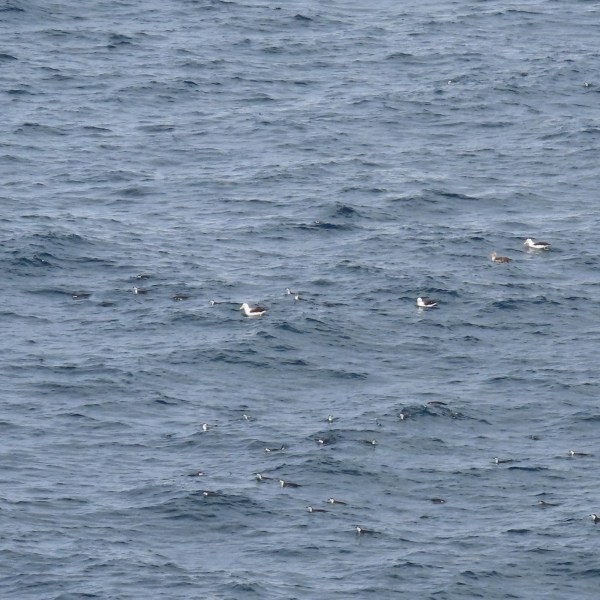
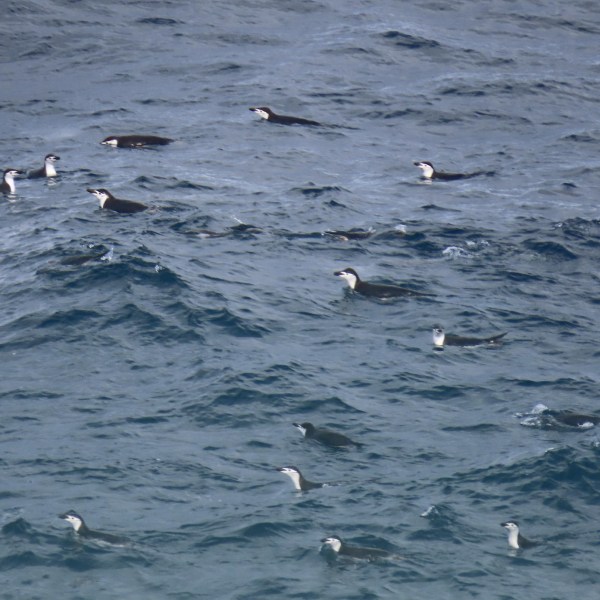
Not much happened today other than whale and penguin sightings. I believe we saw chinstrap penguins and blue whales. They swam a lot close to us but not breaching or entertainment today. It was amazing seeing them in their environment. Going to zoos or aquariums will never be the same for me. It was so cold outside we didn’t stay out long. We drank lots of hot chocolate and coffee.

When bundling up to go outside it reminded me of getting little David ready to go outside during his first snow. Took forever and he only lasted about 15 minutes. I had that great memory as I continually came in and out of the cold dressing and undressing all day. But as it was with seeing David enjoy the snow, I too enjoyed watching this natural phenomenon. So many blessing in so few days.

We were at sea all day yesterday planning our trip to Port Stanley, Falkland Islands. This is the port we had to skip in order to make our trip to Antarctica before the storm hit. That was a success even with the rough crossing through Drakes Passage. However as we arrived this morning to Port Stanley the winds were too high for us to tender. Most places we have a port we can dock at and tie up. In these float out of the way places or locations with protected reefs we have to anchor or hover the ship out I. The ocean and send passengers in by life boat. The maximin wind strength is 25 mph to operate the tenders. We were at 40 mph this morning so sadly we won’t get to see Falkland Islands or king penguins. Very thankful the captain is keeping us safe.

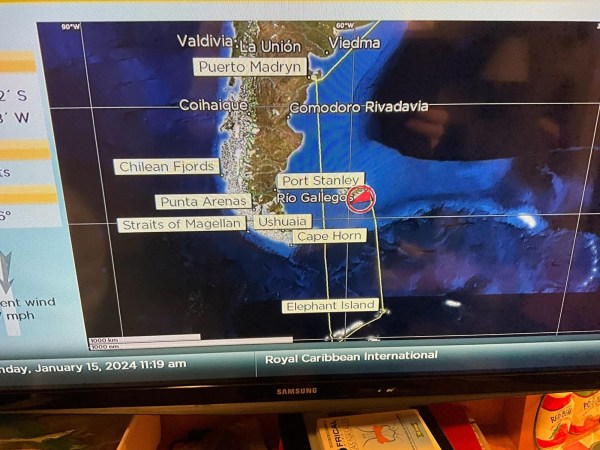
We are now headed around Cape Horn. Very bottom tip of South America and up the west side. Our next stop is 2 days in Ushuaia, Argentina. Another exciting stop!
May God bless you always!
Chuck and Lea Ann
 WorldTravelReynolds
I would “like” all of your entries, but still doesn’t work on my computer or phone. Just know that I’m reading and liking it all! Love y’all.
LikeLike
Ah-Ha! Now I can “like” because I have subscribed. Thought I’d already done that, but oh, well, I’m old. Yay!
LikeLike