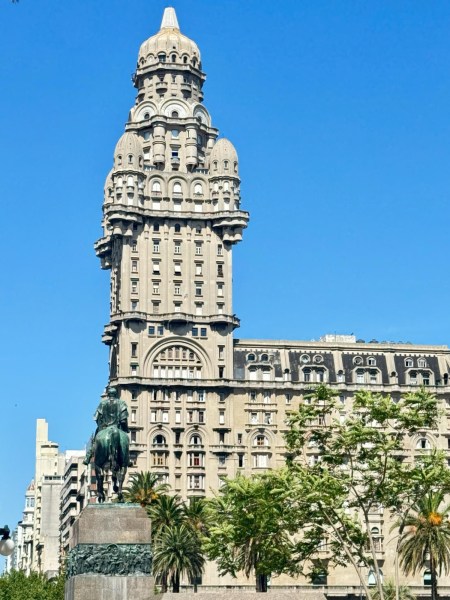
I have never had any interest in seeing Montevideo, Urugauy but here we are and you dont pass up an opportunity to see a country you’ve never been to.
We took a walking tour here and started around 1:30. It should have been a 4 hour tour but we had to shorten it quite a bit because of another excursion clashing with this one. Long story but we chose this one to be on.
Montevideo, pronounced [MON] + [TI] + [VI] + [DAY] + [OH] is the only major city in Uruguay and about half the country’s population lives here. There is no definitive story of how the town got it’s name but it was founded in 1726 by the Spanish governor of Buenos Aires, he wanted to secure the area from the expanding Portuguese colonies, plus it had a great natural, deep-water harbor. For many years this area served as a buffer state between Brazil and Argentina while also spending some time in the hands of the British and the Spaniards. Many immigrants from Europe settled here in the late 19th through early 20th centuries, especially people from Italy and Spain.

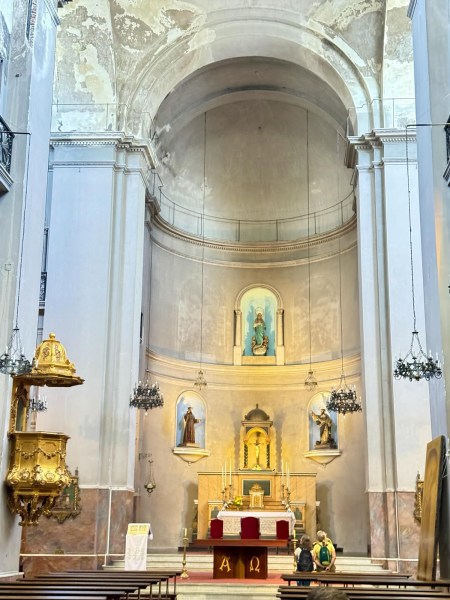
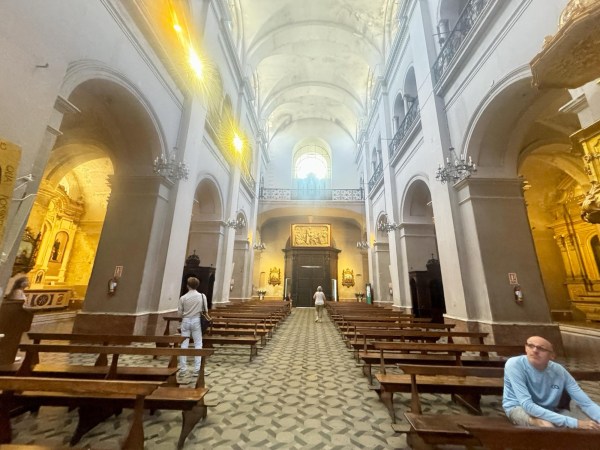
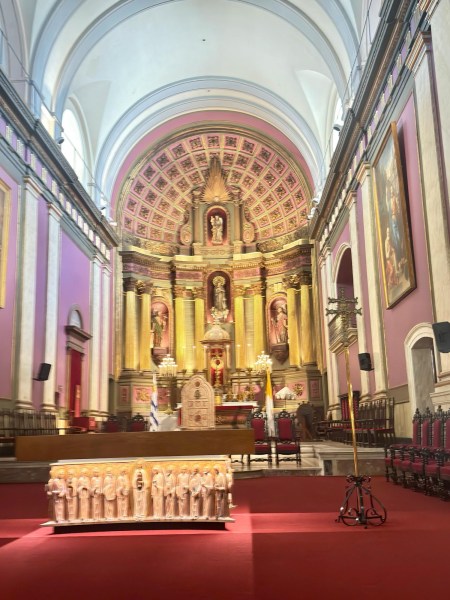
Our guide took us to several historical buildings that were really beautiful. The first was once the tallest building here. It is the Parroquia San Francisco de Asis, a Roman Catholic Church. It was built in 1840 but not completed until 1870 due to many design changes, political factors and wars delaying the build. An interesting tidbit about religion here since we are on the subject, apparently this is the most non-religious country in the Americas, they have even changed the names of major religious holidays, Christmas is called Family Day, and Holy Week is known as Tourism.
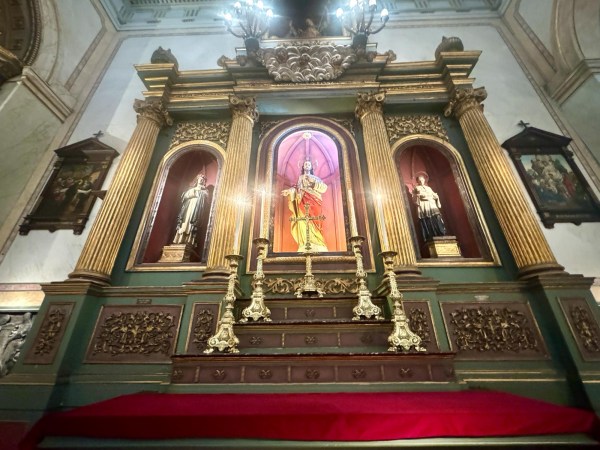
This church was amazingly beautiful. It has the largest pipe organ in the country. The architectual design of the church was much more beautiful on the inside than out. I asked about the marble walls and was told it was painted. Interesting.
We visited another Catholic Church that is even more beautiful than this one. It’s called the Metropolitan Cathedral. It is also Roman Catholic and was built in 1740. It has the most beautiful alter I’ve ever seen. It also had a communion table with all the disciples and Jesus sculptured in marble. (And not painted!)

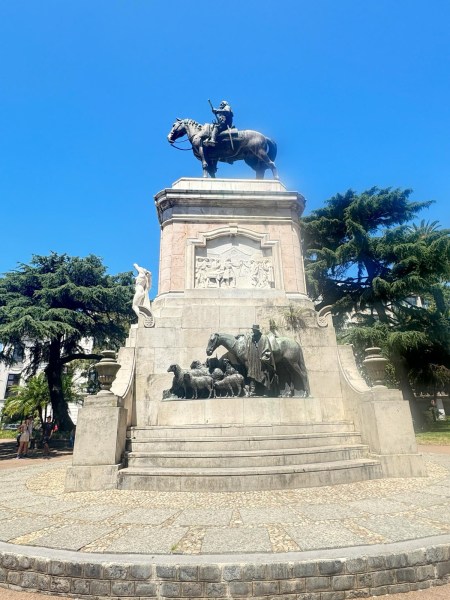
Another of the city’s landmarks is the Plaza Zabala. It has the equestrian statue of Bruno Mauricio de Zabala, founder of the city towering above the plaza. Prior to the 1800s, the entire city was surrounded by a fort. In late 1878, during the dictatorship of Colonel Lorenzo Latorre, it was decided to demolish the old fort and build a public square in its place.
For many years a major part of the economy in Uruguay has been driven by the cattle and sheep ranches throughout the country, it’s said there are three cows and three sheep for each citizen. Cows are a huge presence here. They say the beef is amazingly good. They are grass fed with all natural products so I’m guessing they are right. We didn’t partake of any food here but one thing you won’t find at restaurants in Montevideo is table salt, which was banned years ago in an effort to lower hypertension in the population. I would like to say they need to do this in the U.S. as well but I love my table salt.
As we were walking to our next location we happened upon a wedding. It is the only place a wedding can take place other than a church. It was in front of a store. Nothing special. We couldn’t find out the reasoning for that one.

One of the older structures in Ciudad Viejo is the Montevideo Cathedral, built beginning in 1790 to replace a small brick version that had been there since 1740. A Neoclassic style historic building is the Solis Theatre which was designed in the 19th century by Italian architect Carlo Zucchi, it was the first of its kind in South America.

Plaza de la Independencia is the center of town, a Spanish citadel was here in 1741 and there are still traces of its walls.
Despite the waters looking a little murky here they are clean, you just need to remember you’re on a river estuary, not an ocean. This country had a hard time dealing with the availability of fresh potable drinking water. The stability of the water supply was severely challenged by a three year drought culminating in a water crises in 2022-2023. The La Niña driven cycle of drought, amplified by heatwaves caused by climate change meant that overuse of water by consumers stressed capacity of the system, leading to use of saltwater in drinking water. As of late 2023 it is now back to normal.

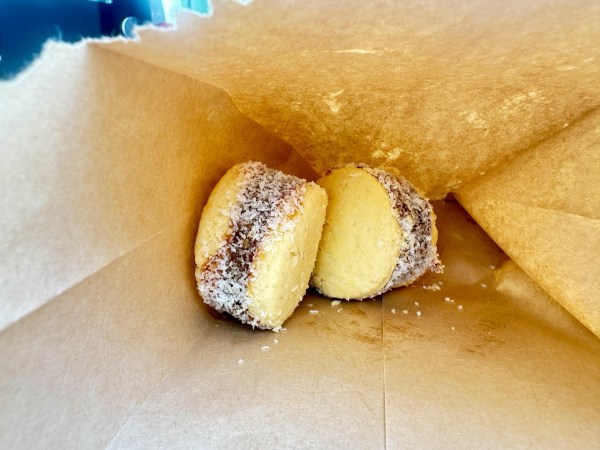
We stopped to have a water break and found these most delicious cookies made from corn meal and dulce de leche called Alfajores aka sandwich cookie. They were a little dry but still good. The locals love their dulce de leche.
One last fun fact, Montevideo hosted every match of the very first FIFA World Cup in 1930.

This wasn’t my favorite place to visit but there’s some interesting history here. I did score some beautiful merino wool. That made the whole trip worth it. Now I just need to figure out what to make with it.
Tomorrow is Buenos Aires. We wont get to spend any time here as we are flying directly to the Iguazu falls for two days. I cant wait! I do wish we could spend one day in Buenos Aires though. Guess we will just have to make an extra trip back!

May God bless you always!
Chuck & Lea Ann
 WorldTravelReynolds