Today started out as a rainy day but by the time we left the ship the rain had cleared and the temperatures were back up in the high 80’s. Turned out to be a beautiful day! Since our last trip in July was a flop due to our tour truck breaking down, we did a short informational bus tour to learn more about the island. Our last trip to the ABC island was in July. You can look at it here but not much there. Today was a more informational ride.
We started out on the geriatric bus, and by that I mean almost everyone on this bus had some ailment and was complaining the entire time! It was truly unbelievable. Oh well, I’m sure this is an opportunity they would not have again.

Bonaire is a part of the Netherlands. Unlike its sister islands, Aruba and Curacao that are independent, Bonaire is owned by the Dutch. Surprisingly the US dollar is the official currency here. You would think euros since they are owned by a european nation. Out of the three islands, Bonaire is in the middle and Aruba is the smallest in size comparison. Bonaire has about 23,000 residents. 70% of the land on the island is a nature preserve. The people all live in the middle of the island. The nature preserves are because of all the mangroves and the protected animals on the island.

Interestingly, like Colon, Panama, there are no stoplights on this island. Bonaire is better though with their roundabouts. Colon didn’t have that. It was a crazy place to drive.
The types of preserves are flamingos, turtles and donkeys. The donkeys were brought over by the spanish for work. There are also beautiful yellow parrots. Sadly didn’t see any. Maybe on our next trip we can plan to go to the sanctuaries here and see the donkeys and the birds. The iguanas are not protected. They eat them. Said they taste like chicken. We will take his word for that. The sea turtle nesting is from April-October. Would be a great experience to watch but they wont allow anyone near them.
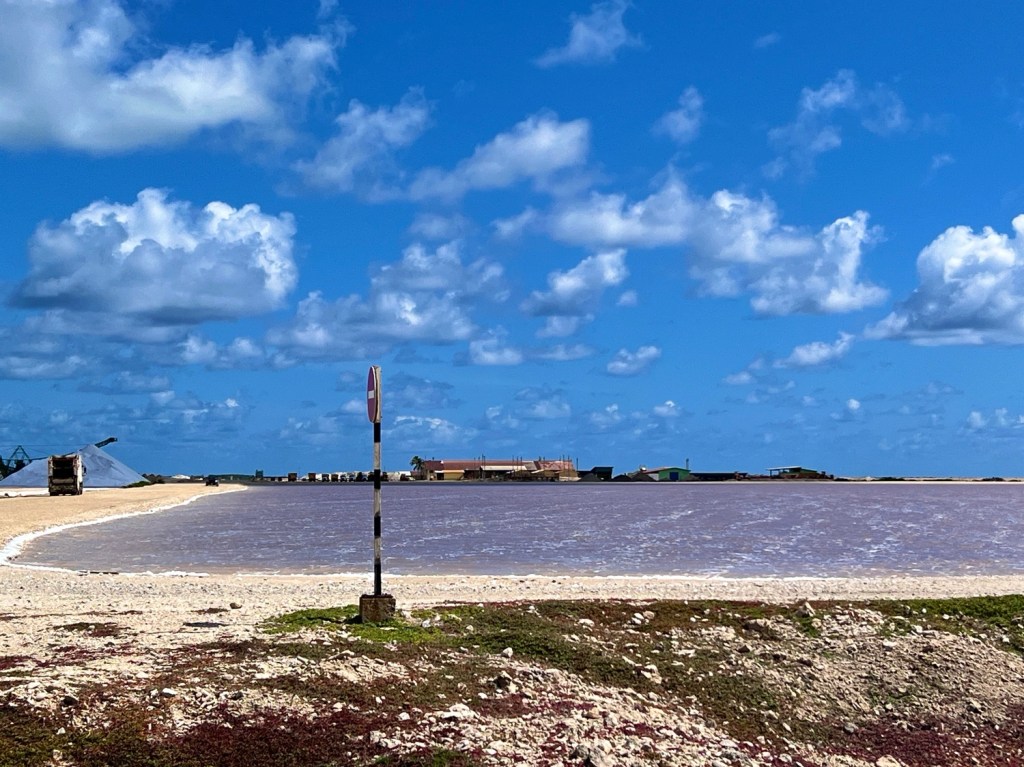
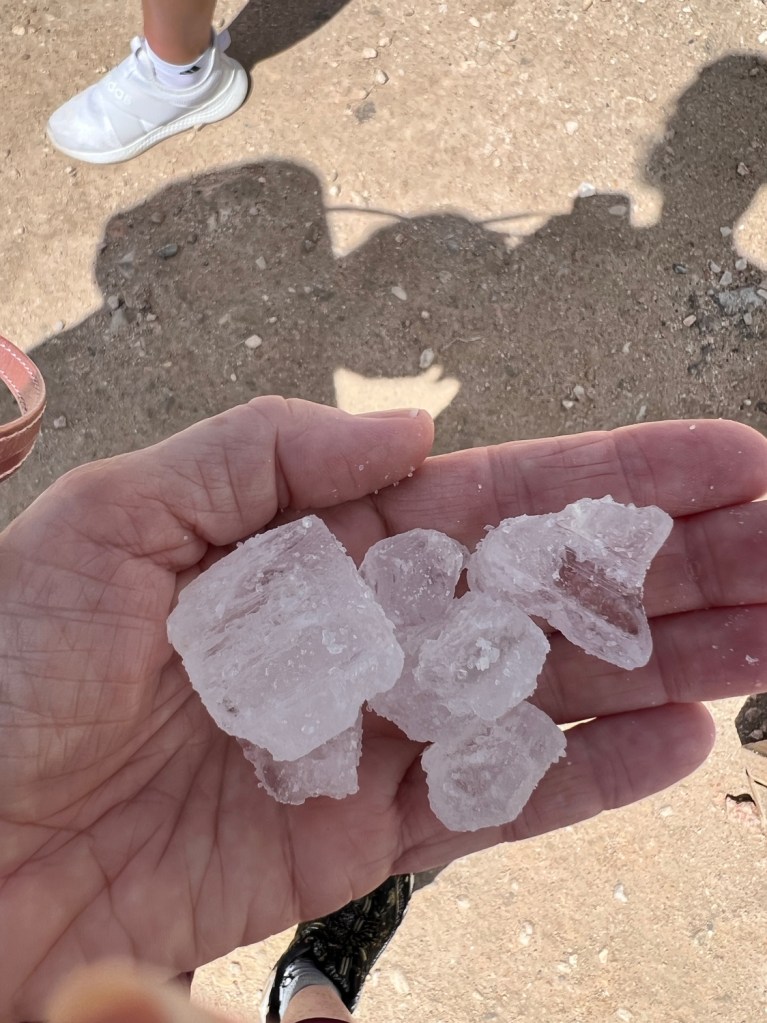
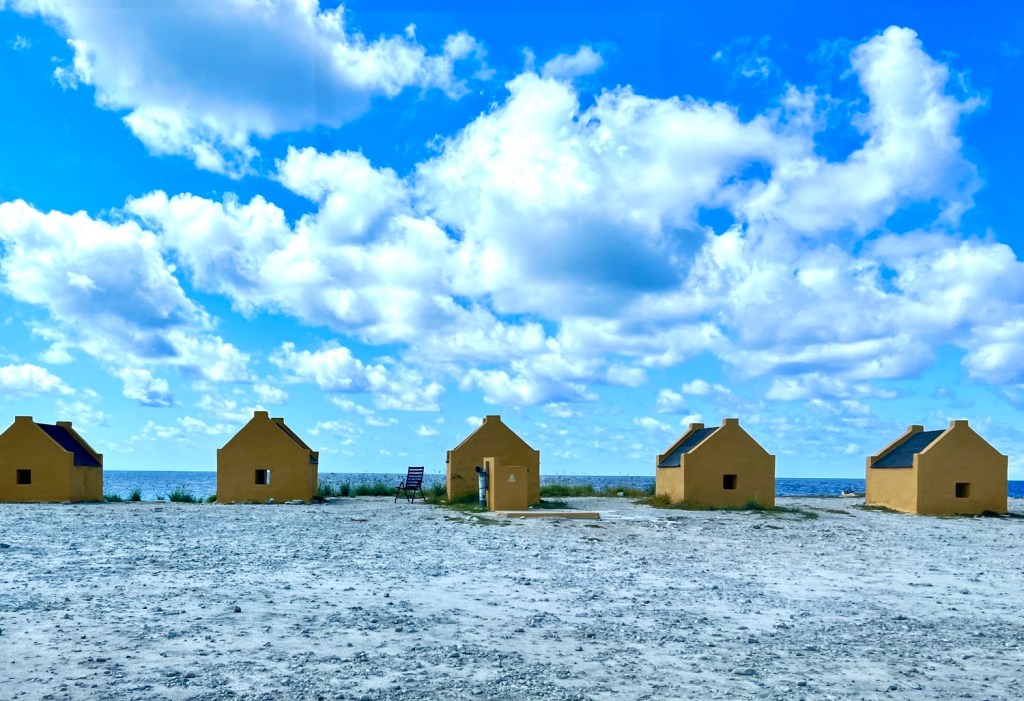
The first natives on the island were Venezuelan Indians. The French arrived in the late 1400’s and in 1499, the indians were turned into slaves to work the salt mines. The dutch were in an 80 year war in the late 1500’s and some of the fighting over the island was due to them wanting to take the island over wanting the naturally high salt. Regular table salt has 35% salt content whereas this salt is 99% pure. It is used mainly for water softener and medications.
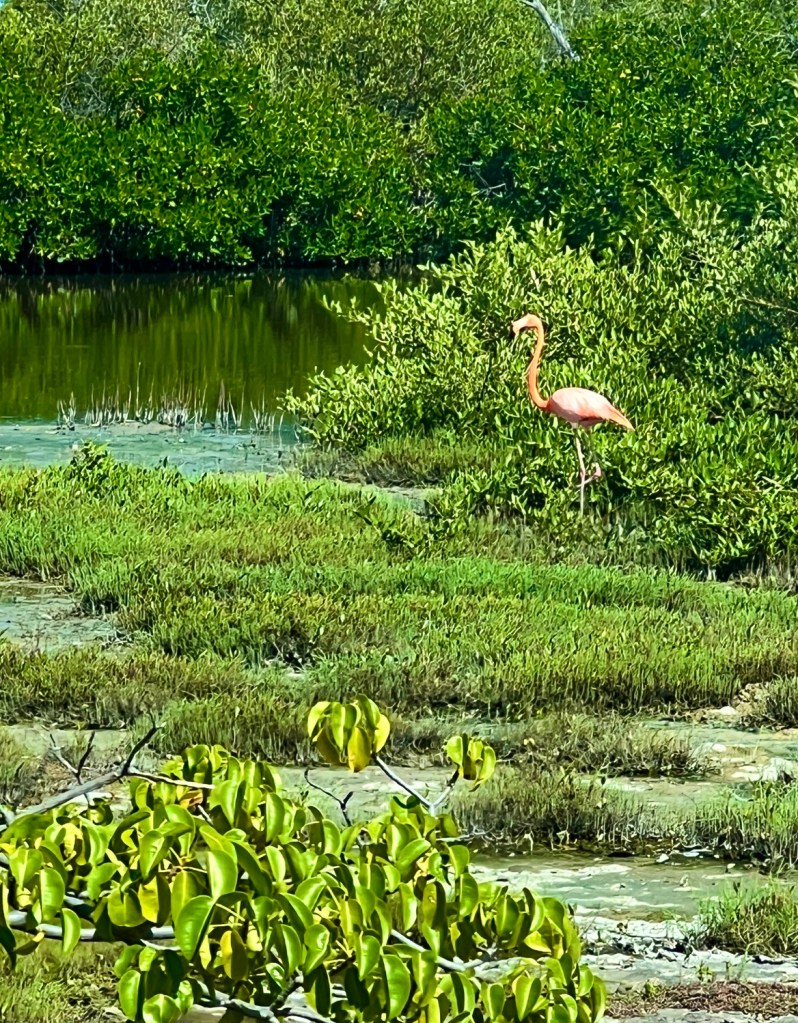
The flamingos are popular here. They are protected because they only lay one egg a year. Both parents protect the egg from predators and most importantly the sun so it won’t bake, until it is hatched 29 days later. They are born with and turn various colors such as white, gray and black until they reach maturity at age 2. They live 40-60 years. They dont get their color from the salt as everyone things but from their food. Carotenoids give carrots their orange color or turn ripe tomatoes red. They are also found in the microscopic algae that brine shrimp eat. As a flamingo dines on algae and brine shrimp, its body metabolizes the pigments — turning its feathers pink. So, now we know why the flamingos are pink!
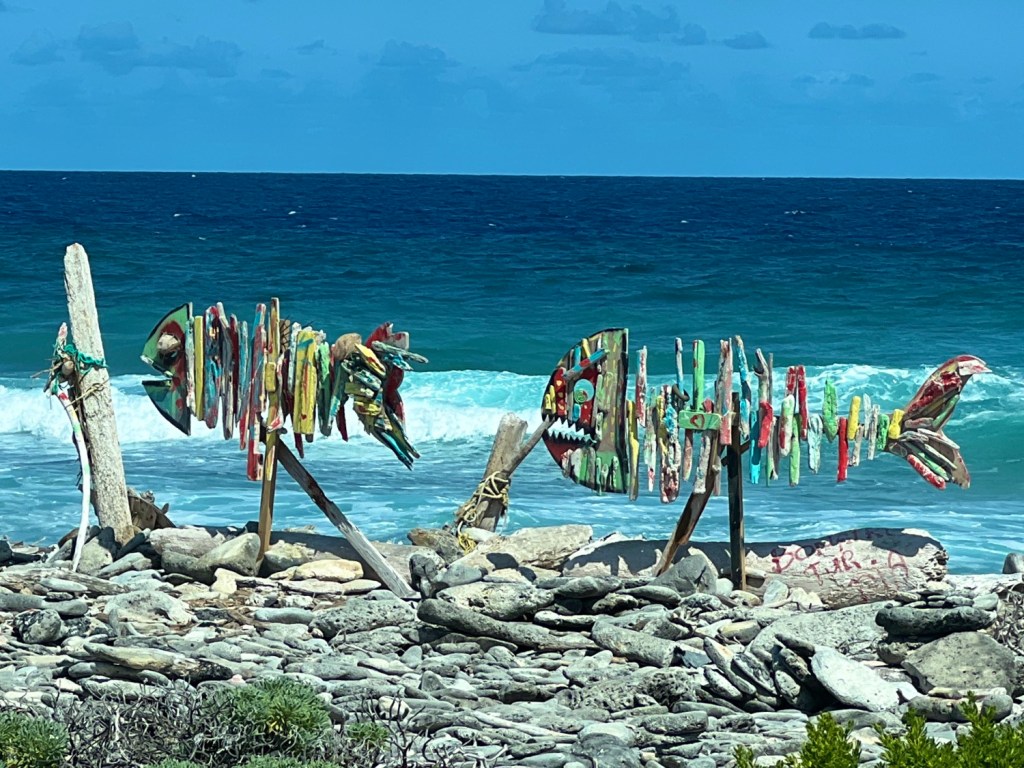
We had a nice 2 1/2 hour ride around town and learned more than I thought we would on this journey.
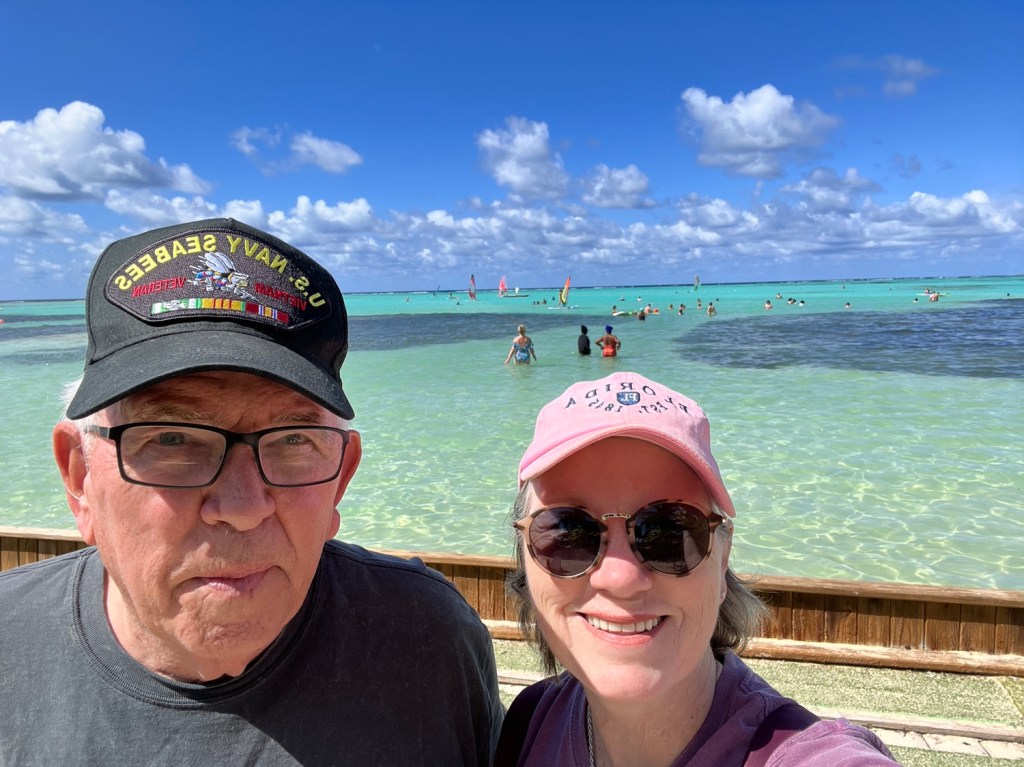
May God bless you always!
Chuck & Lea Ann
 WorldTravelReynolds